
Sharks are stranger and more formidable than pop culture suggests: embryos that eat siblings, skin made of tooth-like denticles, an electrical "sixth sense," and species that must keep moving to breathe. Greenland sharks can live for centuries and mature extremely late, while others continuously replace tens of thousands of teeth. From cookiecutter wounds to the hammerhead’s panoramic vision and the thresher’s whip-like tail, these adaptations reveal why sharks remain some of the ocean’s most efficient predators.
15 Disturbing Shark Facts That Will Make You Rethink Swimming

Shutterstock
You likely grew up with Shark Week and Jaws, so you think you know the rules: avoid dawn swims, stay away from chum, and if you spot a dorsal fin, get out. The reality of shark biology, however, is stranger and often darker than fiction. From embryos that eat their siblings to a skin made of tiny tooth-like scales, sharks possess an array of adaptations that are both fascinating and unsettling.
iStock
- Sand Tiger Shark Embryos: Oophagy and Adelphophagy
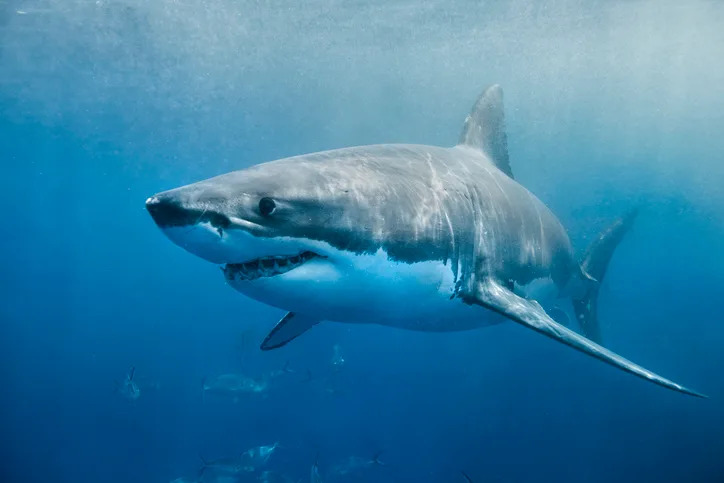
The sand tiger shark practices extreme prenatal competition: the earliest and strongest embryos feed on unfertilized eggs (oophagy) and may consume their smaller siblings (adelphophagy). The result is typically one large, well-fed pup from each uterus. Studies confirm this brutal, effective strategy as a way to maximize survival of that single offspring.
 Shutterstock
 - Skin Made of Dermal Denticles
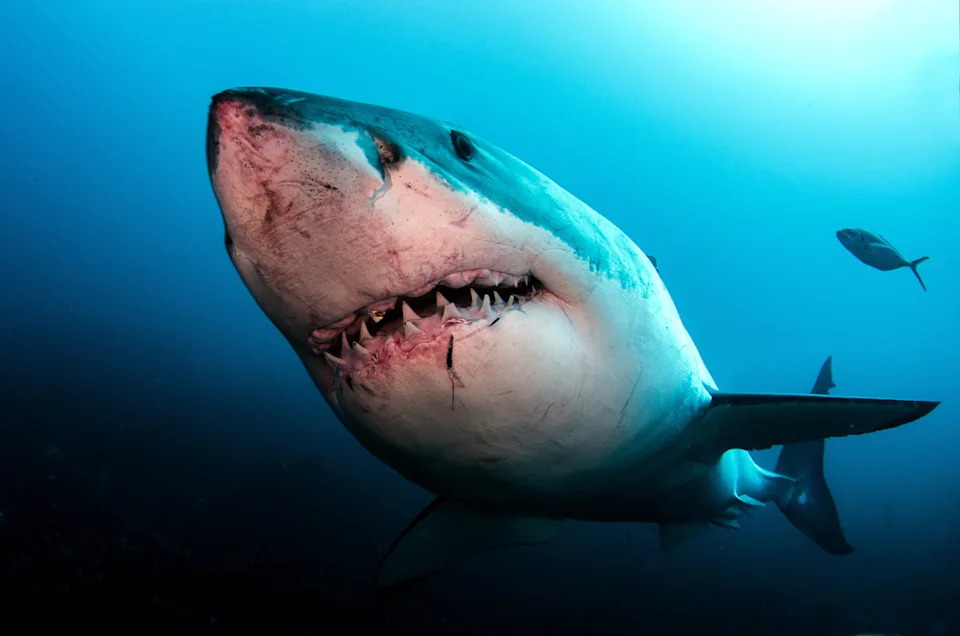
Shark skin feels like coarse sandpaper because it’s covered in dermal denticles—tiny, tooth-like scales of enamel and dentine. These structures reduce drag, decrease turbulence, and can cause painful abrasions on contact. Think of it as a hydrodynamic suit of microscopic blades.
 Shutterstock
 - Ampullae of Lorenzini: An Electrical Sixth Sense
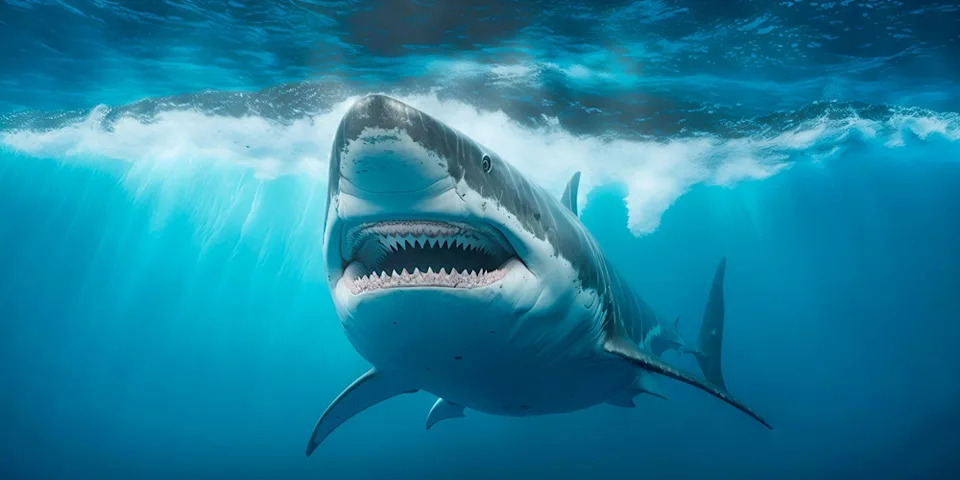
Sharks detect the faint electromagnetic fields produced by muscle contractions and bioelectric signals using the ampullae of Lorenzini, jelly-filled pores around the snout. This allows them to locate hidden or immobile prey—your heartbeat or gill contractions can give you away even if you’re still.
 iStock
 - Obligate Ram Ventilation
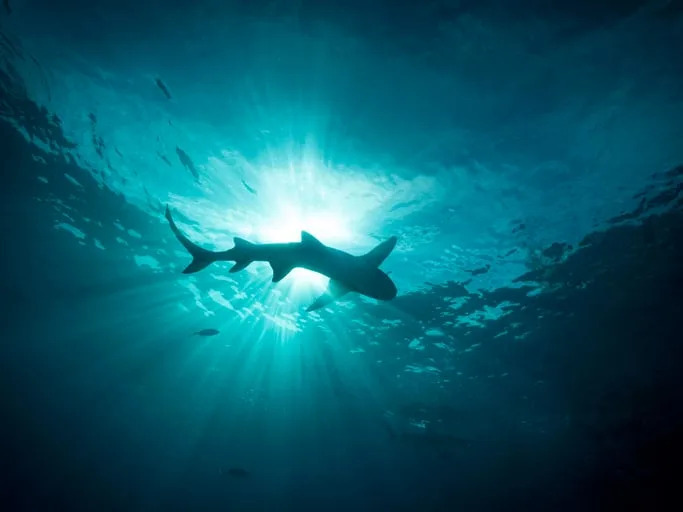
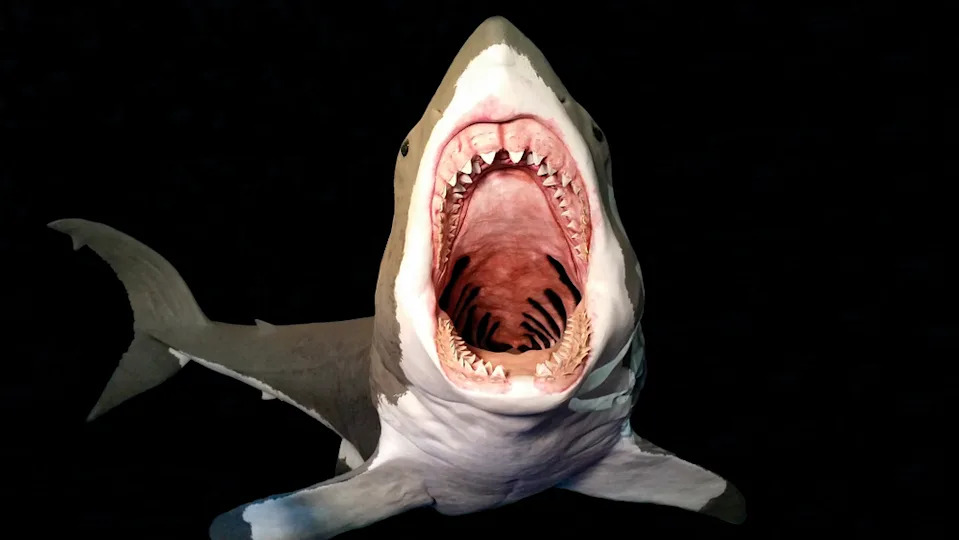
Some species—like great whites and makos—are obligate ram ventilators that must swim to force water over their gills. If they stop moving, they can suffocate. This forces many large sharks into near-constant motion, contributing to their reputation as tireless predators.
 Shutterstock
 - Greenland Sharks: Centuries-Long Lifespans
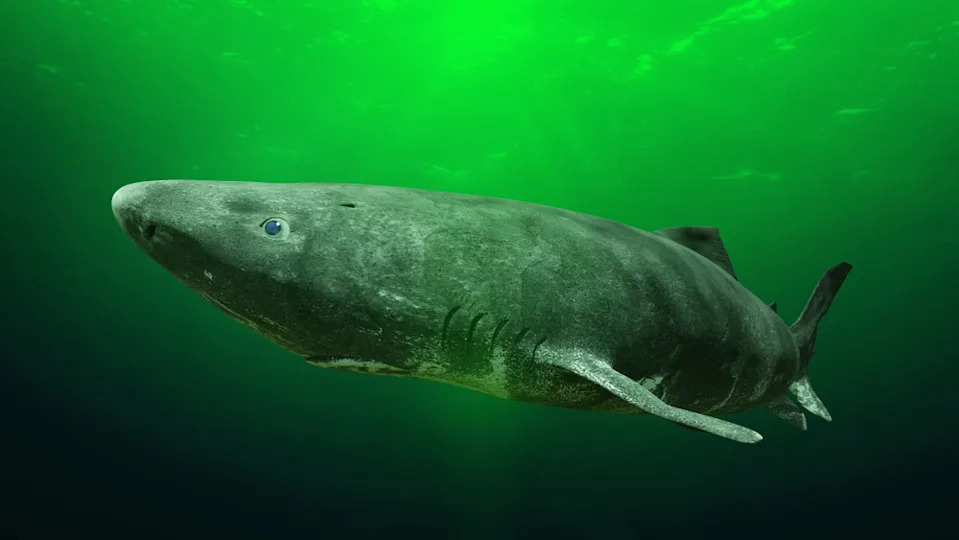
The Greenland shark is among the longest-lived vertebrates, with individuals estimated at over 400 years old. Radiocarbon dating of eye tissues suggests they reach maturity very late—around age 150—giving them an unusually slow, long life cycle.
 Shutterstock
 - Conveyor-Belt Teeth
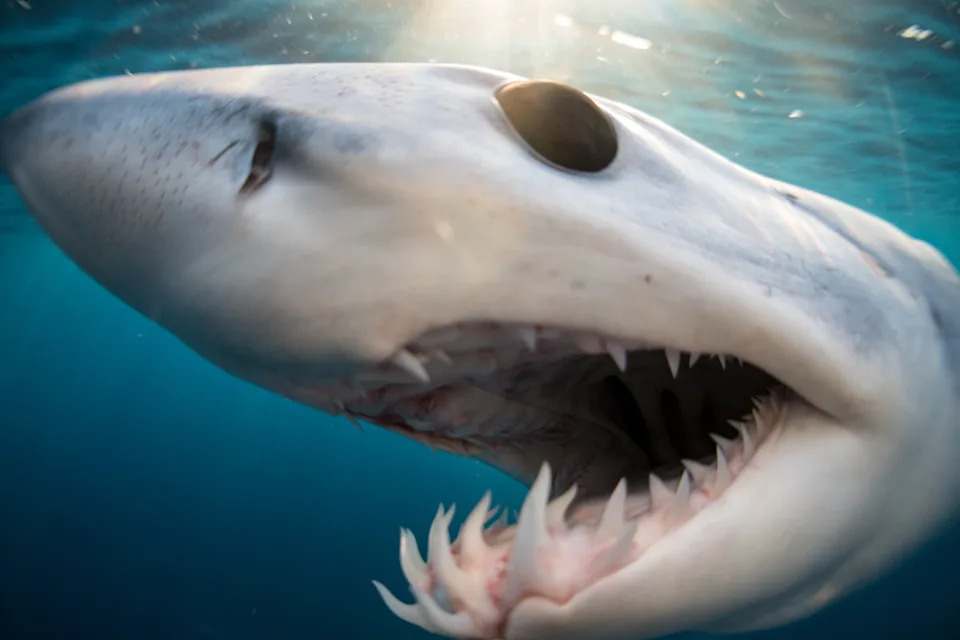
Sharks have multiple rows of replaceable teeth. When a front tooth is lost, another rotates forward within days or hours. Over a lifetime, some species can shed and replace tens of thousands of teeth, effectively renewing their bite repeatedly.
 Shutterstock
 - Cookiecutter Shark: Circular Wounds
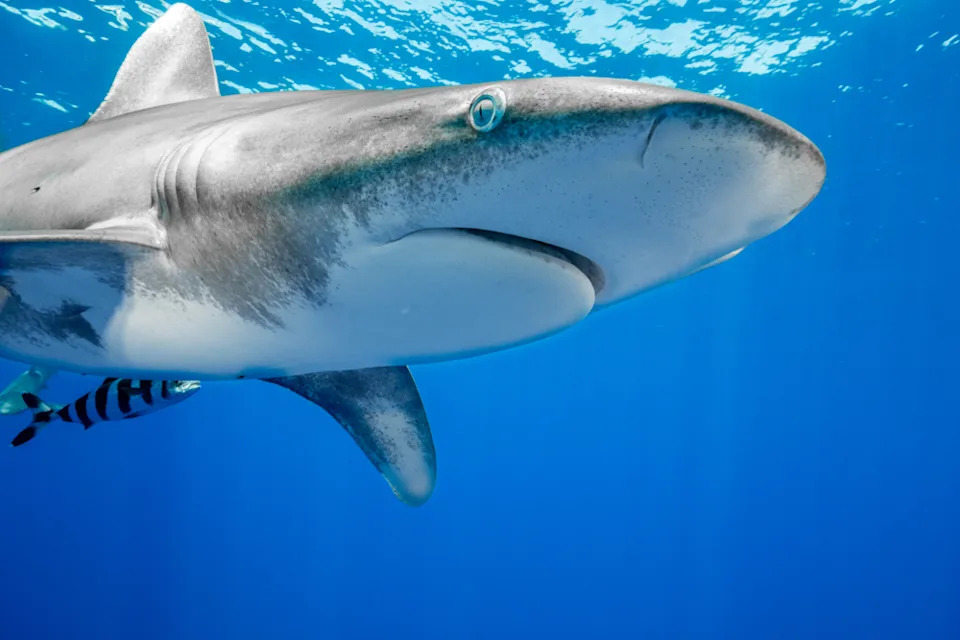
The cookiecutter shark uses interlocking lower teeth and suctorial lips to remove perfectly round plugs of flesh from much larger animals. Victims—from tuna to dolphins and even larger sharks—can be left alive but badly wounded by these precise, cookie-cutter-like bites.
 Shutterstock
 - Ancient Lineage
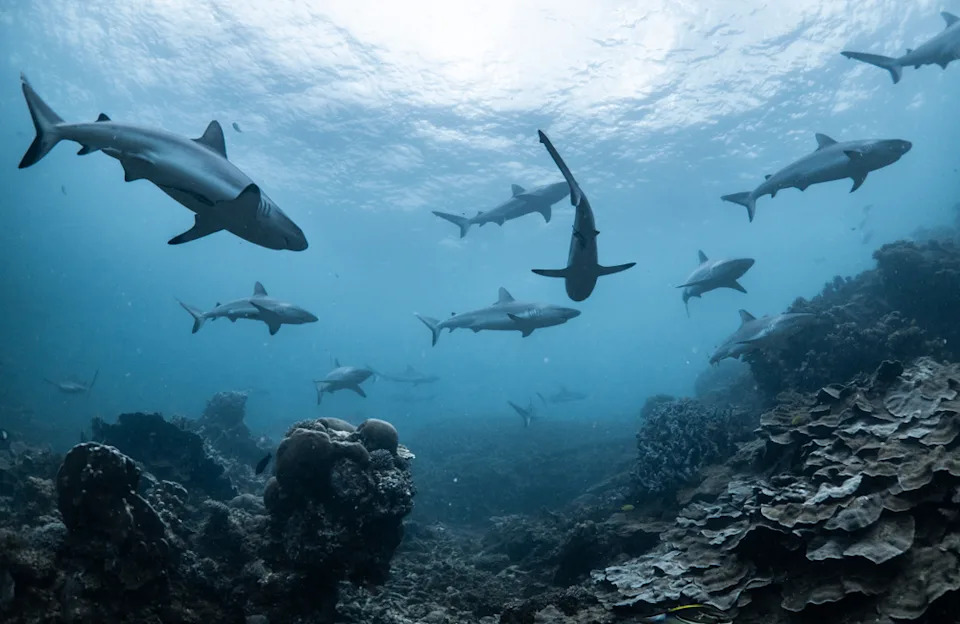
Shark ancestors date back more than 450 million years—long before the first forests. Their long evolutionary tenure has carried them through multiple mass extinctions, making them one of the ocean’s most enduring groups of predators.
 Shutterstock
 - Tonic Immobility
Many sharks can enter a trance-like state called tonic immobility when turned on their backs. Scientists use this reflex to handle sharks safely, but it also highlights a rare and surprising vulnerability in these powerful animals.
 Shutterstock
 - Parthenogenesis: Reproduction Without Males
Certain females—documented in species such as bonnetheads and blacktips—can reproduce via parthenogenesis, producing offspring without male genetic contribution. This reproductive backup plan can enable isolated females to produce young in the absence of mates.
 Shutterstock
 - Hammerhead Cephalofoil: Panoramic Vision
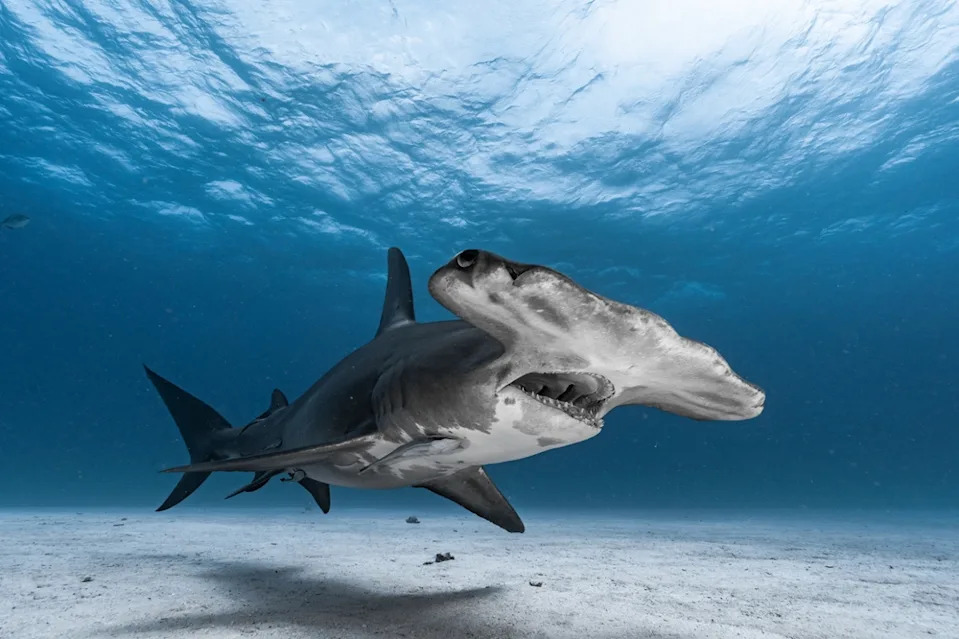
The hammerhead’s wide, flattened head (cephalofoil) spaces the eyes far apart, providing exceptional binocular vision, depth perception, and a near-360-degree horizontal field of view. That head shape gives them an advantage in detecting and tracking prey.
 Shutterstock
 - Great White Breaching
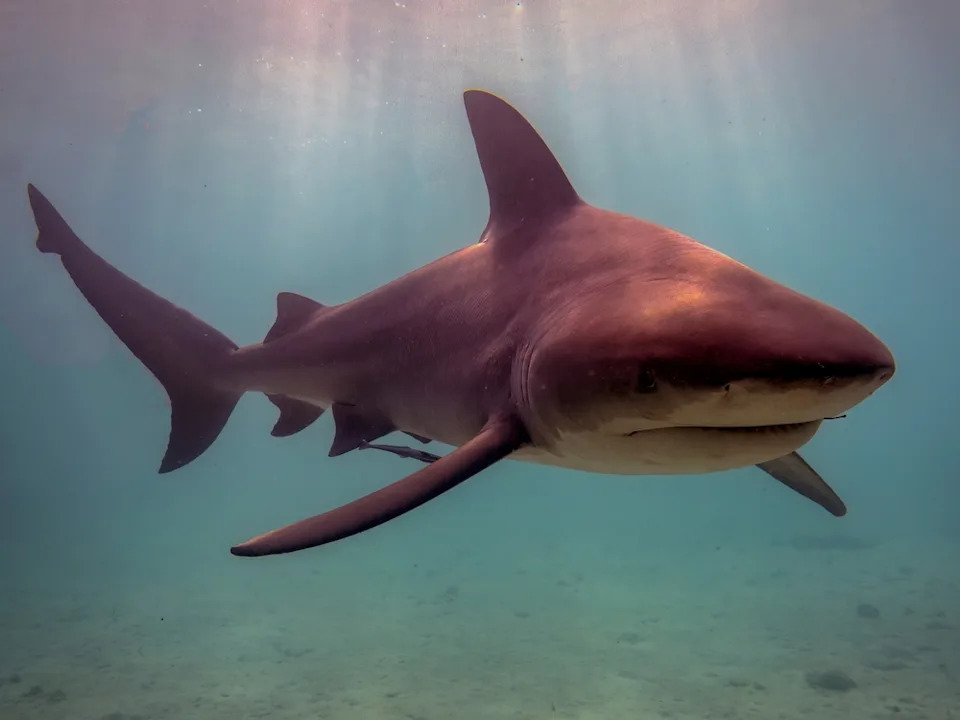
Great whites sometimes attack from below with explosive speed and force, breaching the surface to strike seals and other fast prey. These dramatic launches showcase extraordinary acceleration and power.
 Shutterstock
 - Tapetum Lucidum: Night Vision
Many sharks have a reflective layer behind the retina (tapetum lucidum) that enhances vision in low light by reflecting light back through the retina. This increases sensitivity at night and can cause an eerie eye shine when illuminated.
 Shutterstock
 - Thresher Shark Tail Weapon
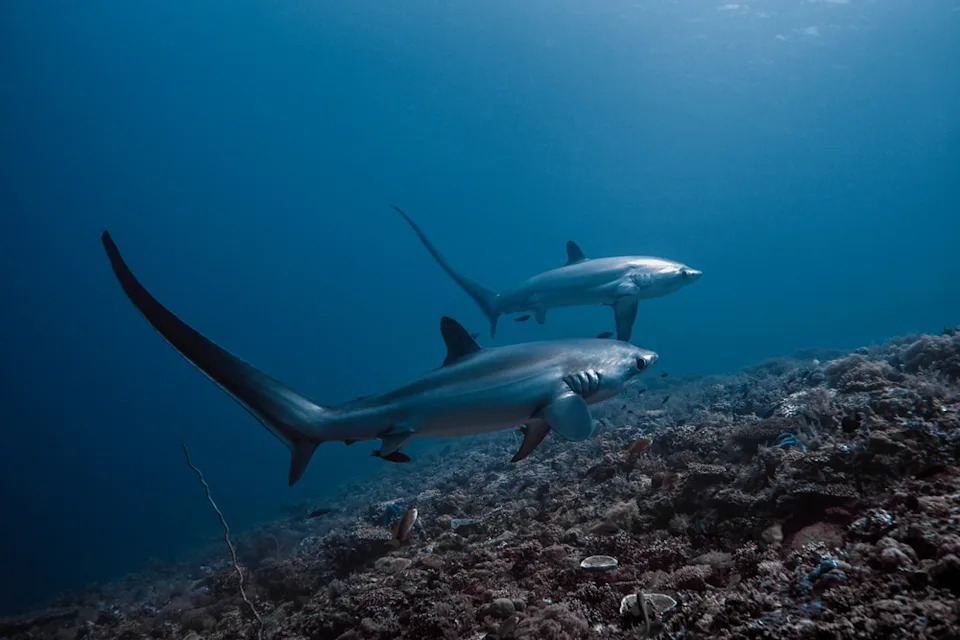
The thresher shark uses its exceptionally long, whip-like tail to stun schools of fish with high-speed strikes. The tail can deliver enough force to incapacitate multiple prey without the shark needing to bite.
- Small But Strange: Dwarf Lanternshark
Not all sharks are large and fearsome—the dwarf lanternshark is only about 6–8 inches long and possesses bioluminescent organs. Though harmless to humans, its glowing presence in the deep highlights how diverse—and eerie—the shark world can be.
Note: While many of these traits sound terrifying, sharks play essential roles in marine ecosystems. Understanding their biology helps us appreciate their evolutionary success and informs better conservation.


