
The reexamination of five large vertebrae found near Darwin indicates an early lamniform shark reached about 8 meters (26 ft) and lived roughly 115 million years ago, making it the earliest known mega-predator in the modern shark lineage. The centra (about 12 cm across) were analyzed using CT scans, fisheries data and mathematical models, and the study is published in Communications Biology. The discovery pushes back the timeline for giant cardabiodontids by about 15 million years and offers new insights into shark evolution and ancient marine ecosystems.
Before Megalodon: 8-Meter Cretaceous Shark Ruled Ancient Australian Seas

A illustration made in Sept. 3, 2025, of a gigantic 8 meter (26 foot) long mega-predatory lamniform shark swimming beside a long-necked plesiosaur in the seas off Australia 115 million years ago. (Pollyanna von Knorring/Swedish Museum of Natural History via AP)(ASSOCIATED PRESS)
In the Cretaceous seas off what is now northern Australia, researchers say a gigantic shark — long before whales, modern great whites or the later megalodon — patrolled coastal waters as an early apex predator.
The reexamination of five unusually large vertebrae discovered near Darwin suggests the animal belonged to an early lamniform lineage and reached an estimated length of roughly 8 meters (26 feet). The study, published in Communications Biology, places this predator at about 115 million years ago — some 15 million years earlier than previously known giant sharks in the group.
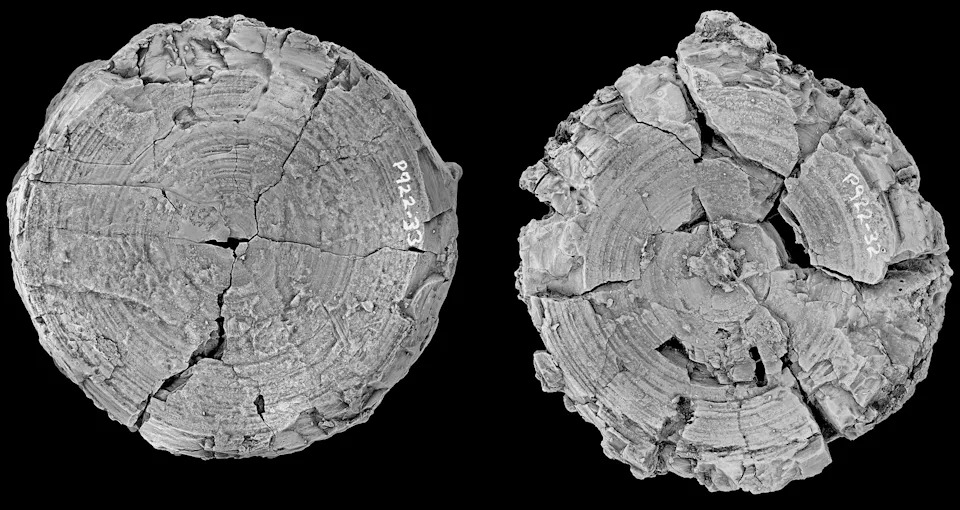
This Jan. 19, 2024 photo shows the 115-million-year-old vertebrae from the gigantic Darwin lamniform shark, which were studied by researchers who used multiple data points to calculate the mega-predators' massive size. (Mikael Siversson/Western Australian Museum via AP)(ASSOCIATED PRESS)
Rediscovered Fossils Reveal a Giant
The centra — the central portions of vertebrae — measure about 12 centimeters (4.7 inches) across. Although they were excavated in the late 1980s and 1990s, the specimens sat in museum collections until researchers revisited them. Because shark skeletons are cartilaginous and rarely fossilize, vertebrae like these are exceptionally valuable clues to overall body size.
“The importance of vertebrae is they give us hints about size,” said Benjamin Kear, senior curator in paleobiology at the Swedish Museum of Natural History and a co-author of the study. “If you’re trying to scale it from teeth, it’s difficult. Are the teeth big and the bodies small? Are they big teeth with big bodies?”
How Scientists Reconstructed the Shark
An international team combined CT scanning, fisheries data and mathematical models to estimate body proportions from the vertebrae. Because centrum fossils are rare for ancient sharks, the team tested multiple approaches over several years to build a consistent size estimate and life appearance for the animal.
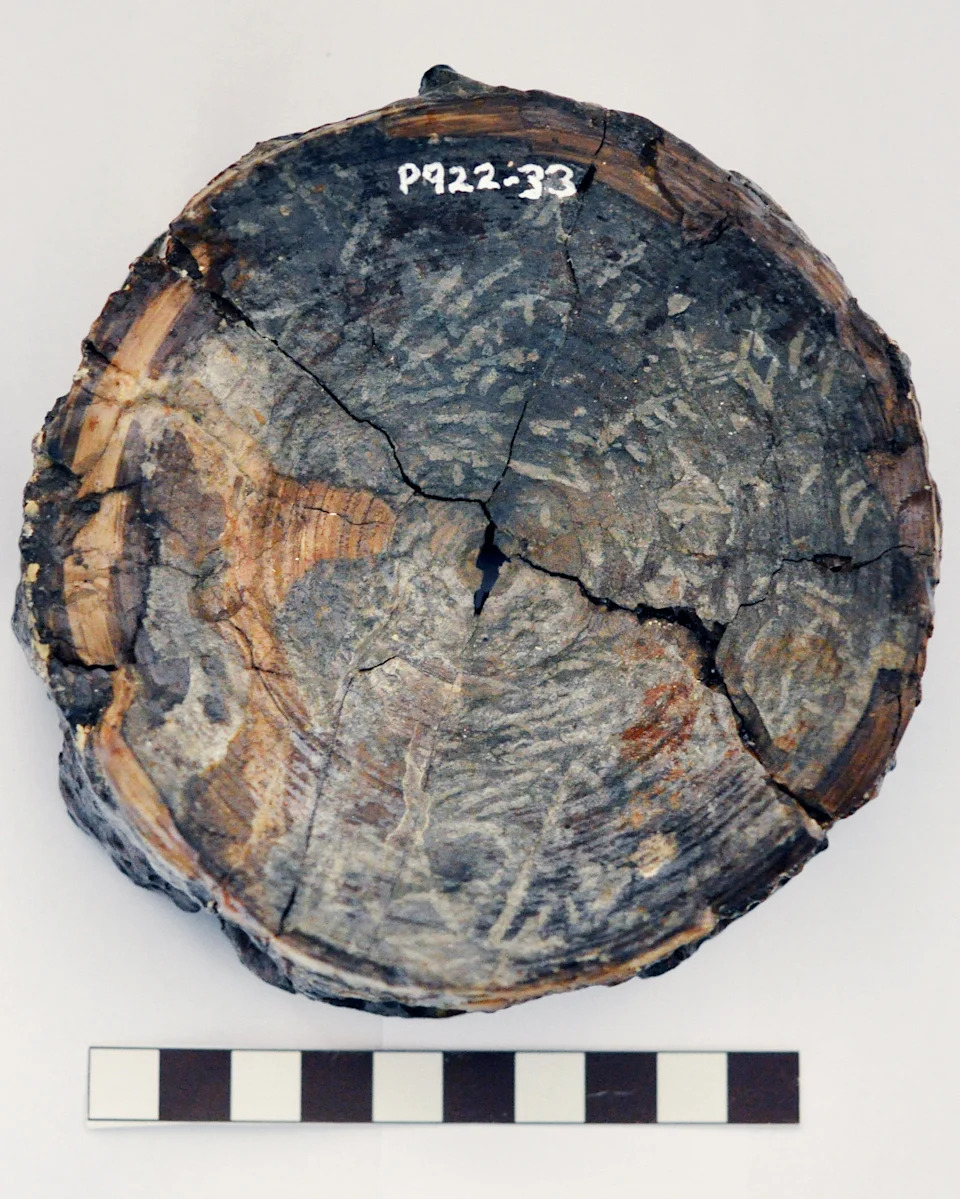
This June 8, 2023 photo shows a 115-million-year-old vertebra from the gigantic Darwin lamniform shark, which was studied by [international, not just Australian] researchers who used multiple data points to calculate the mega-predators' massive size. (Benjamin Kear/Swedish Museum of Natural History via AP)(ASSOCIATED PRESS)
Researchers conclude this cardabiodontid would have resembled a modern large lamniform in overall shape — a streamlined, powerful predator — demonstrating that the body plan of these top marine predators was already highly successful by the mid-Cretaceous.
Why It Matters
The find pushes back the emergence of gigantic lamniform predators and suggests modern-style sharks rose early to occupy top trophic roles in marine ecosystems. Beyond deepening our understanding of shark evolution, reconstructing these ancient ecosystems may offer insights into how marine species respond to climate and biodiversity shifts.
“This is where our modern world begins. By looking at what happened during past shifts in climate and biodiversity, we can get a better sense of what might come next,” Kear said.
Publication: Communications Biology. Lead researcher quoted: Benjamin Kear, Swedish Museum of Natural History.


