Garmin's Autoland system guided a Beechcraft Super King Air 200 to a safe runway landing near Denver after a rapid, uncommanded cabin depressurization. Two people were uninjured and the crew intentionally left Autoland engaged to prioritize safety. LiveATC audio captured the system's automated emergency announcement, and the FAA has opened an investigation.
Garmin Autoland Makes First Complete Automated Emergency Landing After In‑Flight Pressurization Loss

Two people emerged unscathed from the Beechcraft Super King Air 200 after it stopped on the runway at Rocky Mountain Metropolitan Airport near Denver, according to video posted by emergency responders. - North Metro Fire Rescue
A Beechcraft Super King Air 200 automatically landed itself at Rocky Mountain Metropolitan Airport near Denver after a rapid, uncommanded loss of cabin pressurization, the system manufacturer and the aircraft operator say. Two people aboard walked away uninjured.
Autoland System Took Control
Garmin's Autoland feature — which the company says is installed on roughly 1,700 aircraft — guided the twin‑engine turboprop to a safe runway landing. Garmin called this event "the first use of Autoland from start‑to‑finish in an actual emergency" in a company statement.
What Happened Onboard
Buffalo River Aviation, the charter operator, said the flight was en route from Aspen with no passengers when the aircraft experienced a "rapid, uncommanded loss of pressurization." The pilots donned oxygen masks and the Autoland system automatically engaged when cabin altitude exceeded the system's safety threshold. According to CEO Chris Townsley, the crew elected to keep Autoland engaged to reduce variables and prioritize a safe outcome.
Autoland "automatically engaged exactly as designed when the cabin altitude exceeded the prescribed safe levels," Townsley said. He added that crew decisions were deliberate and focused on preserving life and safety.
Air Traffic Audio and Public Messages
Audio posted to LiveATC.net captured an automated message stating "Pilot incapacitation," followed by a warning to nearby aircraft: "Emergency auto‑land in less than 1 minute on runway 3‑0 right." Buffalo River Aviation later clarified that reports of pilot incapacitation were incorrect and stemmed from the Garmin system's automated communications, not from an actual loss of consciousness by crew members.
Previous Demonstrations
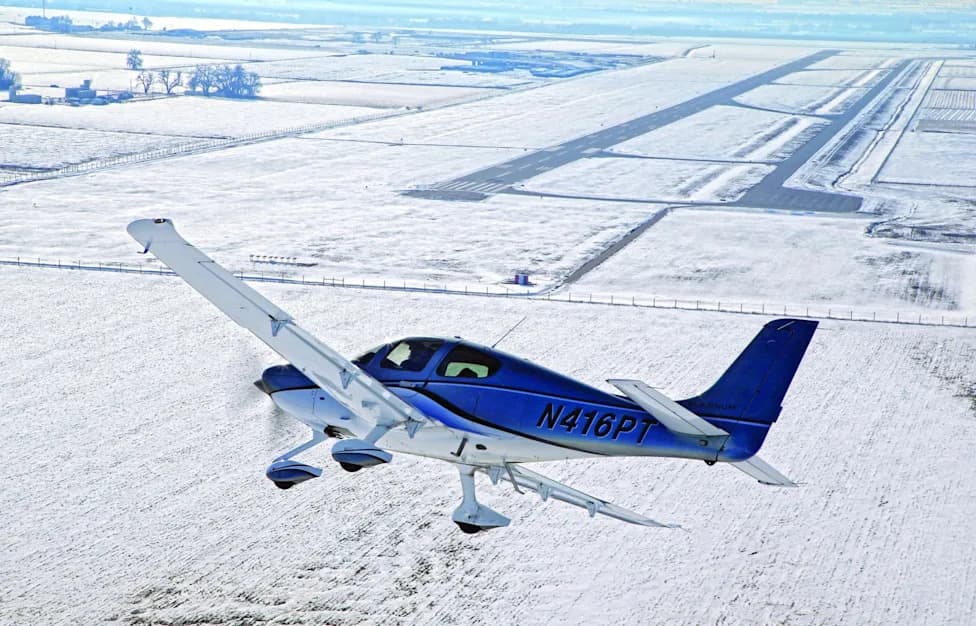
Earlier demonstrations have shown how Autoland works in controlled conditions. In April, CNN tested the system in a Cirrus SR22; pressing a clearly marked button activates the onboard autopilot, which can identify an appropriate airport, fly the approach, communicate with air traffic control and land the airplane.
Investigation and Significance
The Federal Aviation Administration has opened an investigation into the incident. Aviation experts say the event highlights how advanced automation can provide a critical safety net during sudden onboard emergencies, while underscoring the importance of crew training and oversight.
Outcome
After the aircraft came to a stop on the runway, both occupants were uninjured. The operator and Garmin praised the system's performance and the crew's decision‑making, noting the coordinated use of automation and human judgment.
Help us improve.