The AP’s analysis of Israeli military figures finds aid deliveries into Gaza have fallen well below the ceasefire goal of 600 trucks per day, averaging about 459 since Oct. 12. COGAT estimates just over 25,700 trucks entered — short of the 33,600 required — while U.N. and Hamas tallies are far lower. Humanitarian agencies warn the shortfall has exacerbated food shortages, malnutrition and winter exposure for displaced Gazans. Disputes over returning hostage remains, including the case of Ran Gvili, have further strained the truce.
Aid Into Gaza Falls Far Short Of Ceasefire Target, Israeli Data Shows

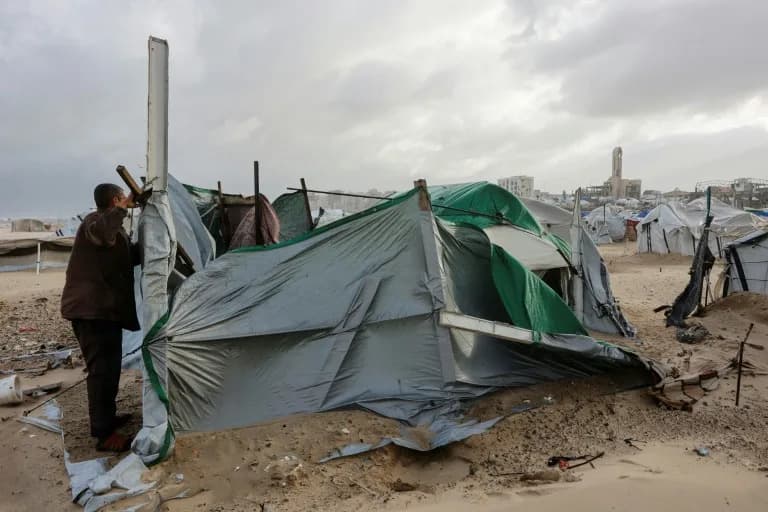
Displaced Palestinians repair their tents at a tent camp on the beach after a stormy weather in Gaza City, Wednesday, Dec. 10, 2025. (AP Photo/Jehad Alshrafi)(ASSOCIATED PRESS)
An Associated Press analysis of Israeli military figures indicates that aid deliveries into Gaza have trailed the U.S.-brokered ceasefire target, a shortfall that humanitarian agencies say is worsening conditions for roughly 2 million people in the territory.
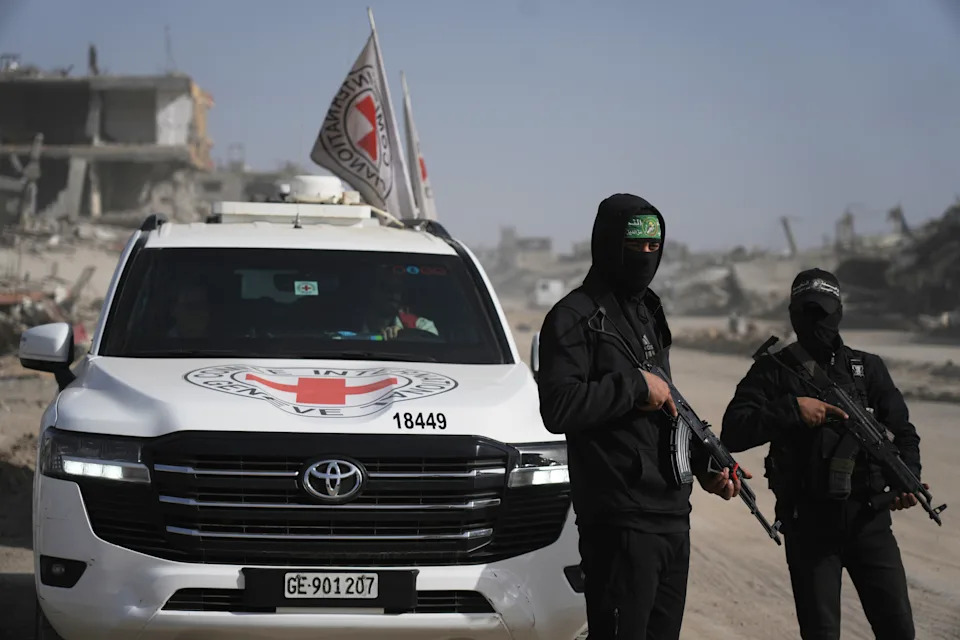
FILE - Hamas militants accompanied by members of the International Committee of the Red Cross (ICRC) head to Zeitoun neighborhood of Gaza City to search for the remains of the final hostage, Dec. 8, 2025. (AP Photo/Jehad Alshrafi, File)(ASSOCIATED PRESS)
Ceasefire Target vs. Actual Deliveries: Under the October ceasefire, Israel agreed to allow 600 aid trucks per day into Gaza. AP’s review of the latest figures from COGAT, the Israeli body that coordinates crossings, found an average of about 459 trucks per day entered Gaza from Oct. 12 (when deliveries resumed) through the most recent reporting day.
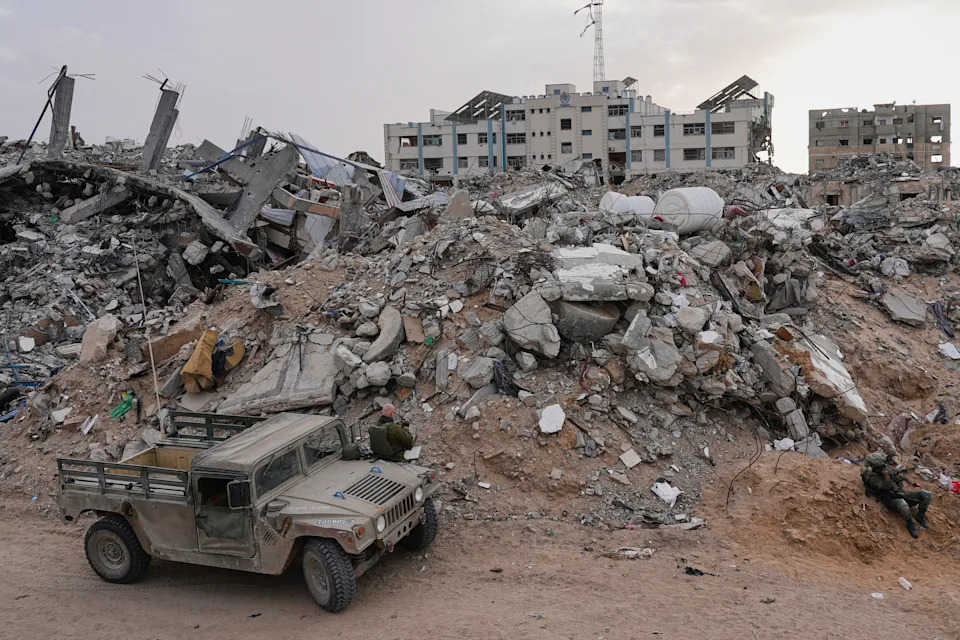
Israeli soldiers gather next to the entrance of a tunnel where the army says the body of soldier Hadar Goldin was held in Rafah, Gaza Strip, Monday, Dec. 8, 2025. Hamas returned his remains to Israel as part of the current ceasefire. (AP Photo/Sam Mednick)(ASSOCIATED PRESS)
Conflicting Tallies
COGAT reports roughly 18,000 food trucks entered Gaza since the truce — about 70% of the aid it records for that period — and estimates total truck entries (including non-food items such as tents and medicines) at just over 25,700 trucks. That is well below the 33,600 trucks that should have entered under the ceasefire terms.
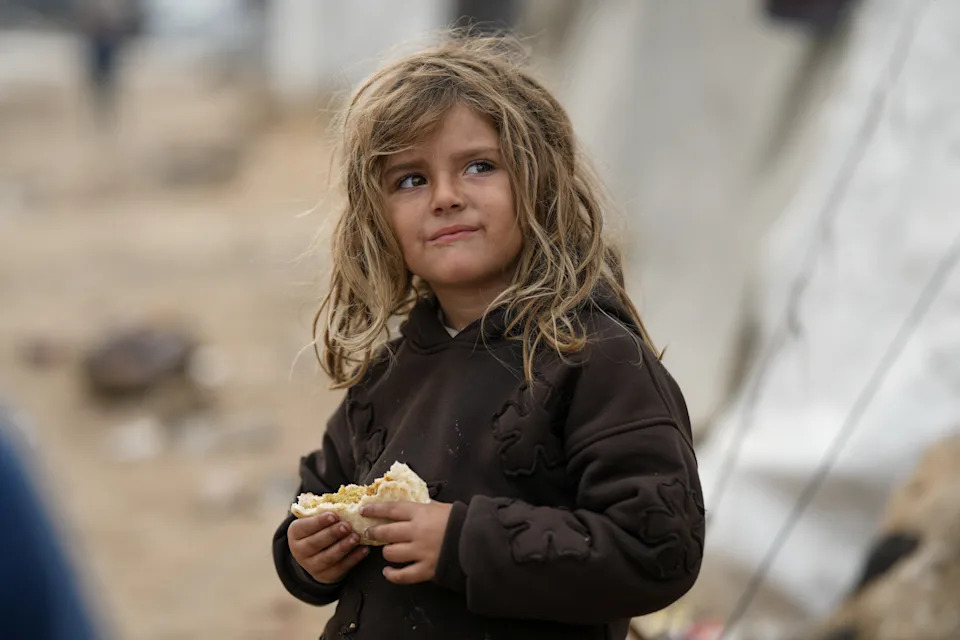
A young girl looks on as she holds a sandwich at a tent camp for displaced Palestinians on the beach in Gaza City Wednesday, Dec. 10, 2025. (AP Photo/Jehad Alshrafi)(ASSOCIATED PRESS)
Other tallies are markedly lower. The U.N. database shows 6,545 trucks offloaded at Gaza crossings between the ceasefire and Dec. 7 (about 113 per day), while a Hamas document provided to the AP put the total at 7,333 trucks. When asked about the discrepancy, COGAT asserted that daily entries exceeded 600 but did not provide raw truck-entry data or clarify how counts were calculated.
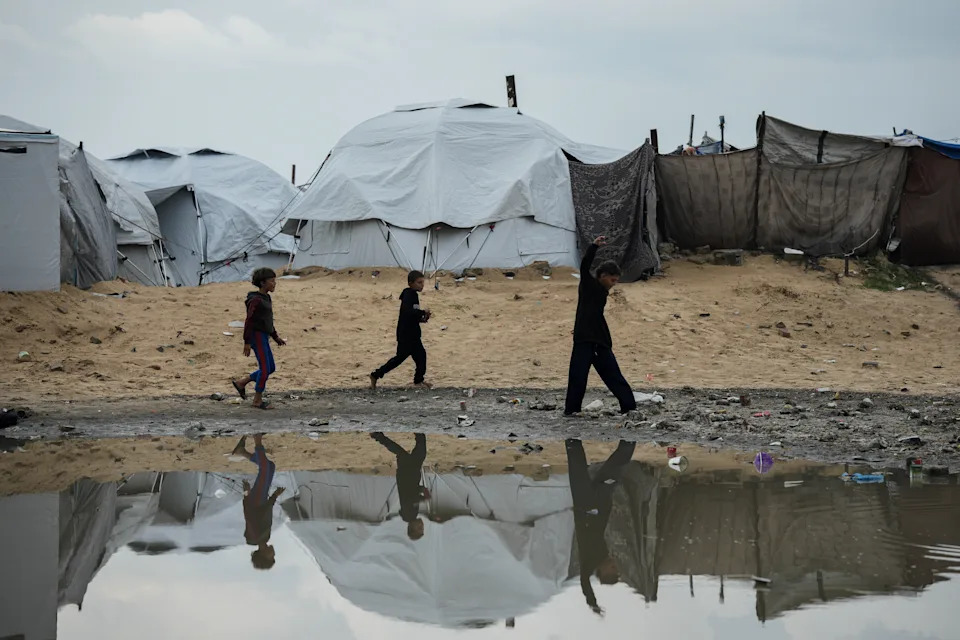
Displaced Palestinian children walk through a tent camp after stormy weather in Gaza City Wednesday, Dec. 10, 2025. (AP Photo/Jehad Alshrafi)(ASSOCIATED PRESS)
Humanitarian Impact
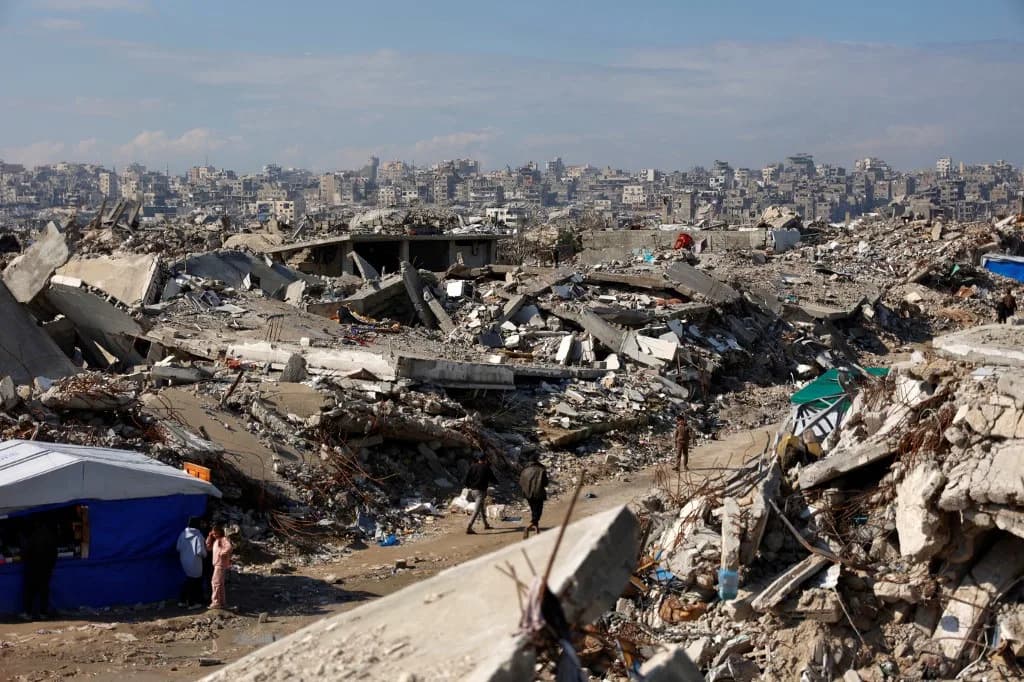
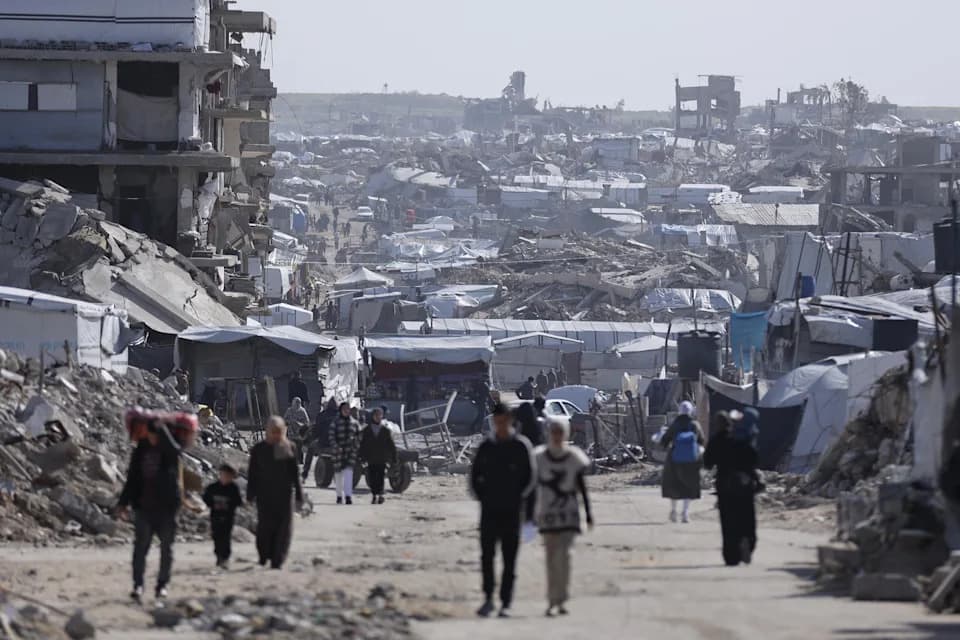
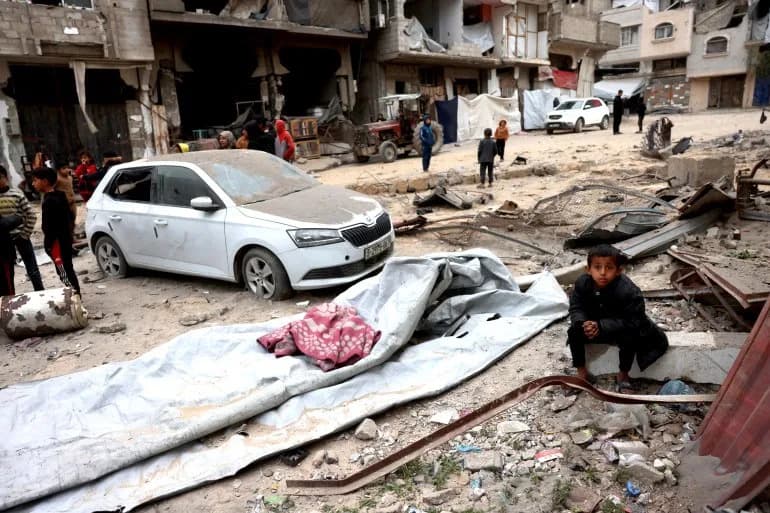
Relief organizations and U.N. agencies warn that the shortfall is having severe consequences. The U.N. Office for the Coordination of Humanitarian Affairs (OCHA) described needs as "dire," citing bottlenecks caused by restrictions at crossings. UNICEF has reported malnourished mothers giving birth to undernourished infants, and some babies have died in hospitals. With winter rains beginning, displaced families living in tents face exposure to flooding and cold without adequate supplies.
“Needs far outpace the humanitarian community’s ability to respond,” UNICEF said, citing insecurity, customs clearance problems, delays and denials of cargo at crossings, and limited internal transport routes.
Ceasefire Strains And Disputes
Israel has at least once temporarily halted all aid entry, saying it was responding to alleged ceasefire violations by Hamas — notably, failure to return hostage remains within the agreed timeframe. Hamas counters that massive destruction across Gaza has made locating bodies difficult and accuses Israel of violating the deal by keeping key crossings closed and continuing strikes.
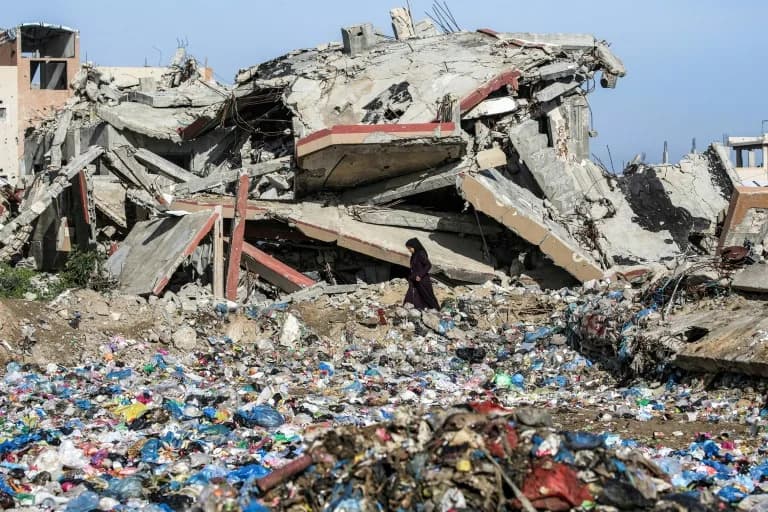
A particularly sensitive point is the remains of the final hostage, Ran Gvili. Israel says returning Gvili’s remains is a precondition for completing phase one of the truce and moving to phase two. Hamas militants and Red Cross teams continued searches in Gaza City ruins for that body, while Islamic Jihad said it had handed over the last remains in its custody.
On-the-Ground Incident
Separately, Mohamed Abu Selmiya, director of Shifa Hospital, said the hospital received the body of a 17-year-old boy who was reportedly run over and killed by an Israeli tank in the Jabaliya refugee camp. Israel’s military said it killed a militant who crossed the so-called Yellow Line in northern Gaza but declined to confirm whether the two incidents were connected.
Associated Press writers Megan Janetsky in Jerusalem and Sam Mednick in Tel Aviv contributed to this report.
Help us improve.