
Bondi Beach massacre stands out because it appears to have been carried out by a father and son working together, rather than a lone gunman. Experts say family‑based attacks involve different motivations and logistics — mutual reinforcement, rehearsal and household access to weapons lower barriers to violence. Authorities allege Sajid and Naveed Akram were motivated by Islamic State ideology; investigators recovered homemade IS flags and say the pair practised shooting and conducted reconnaissance. Naveed faces 59 charges; Sajid was killed in a shootout with police.
Bondi Beach Massacre: Rare Father‑and‑Son Attack Highlights Family‑Based Radicalization

People participate in a candlelight vigil at Bondi Pavilion at Bondi Beach on December 16, in Sydney, Australia. - Audrey Richardson/Getty Images
Criminologists say last week’s Bondi Beach attack is striking not only for its brutality but for who carried it out: a father and son acting together. Authorities allege Sajid Akram, 50, and his son Naveed Akram, 24, killed 15 people at the iconic Sydney shoreline in an attack investigators say was motivated by Islamic State ideology. Sajid was killed in a shootout with police at the scene; Naveed now faces 59 charges, including 15 counts of murder and one count of committing a terrorist act.
How Family Dynamics Change Risk
Experts note that most mass killings are carried out by lone actors. Research from the Rockefeller Institute of Government indicates fewer than 2% of mass shootings studied involve two or more perpetrators, and that figure is even lower when the perpetrators are related. Dr. James Densley, a criminologist at Metro State University, says family-based attacks typically differ from lone-actor incidents in motivation, power dynamics and logistics.
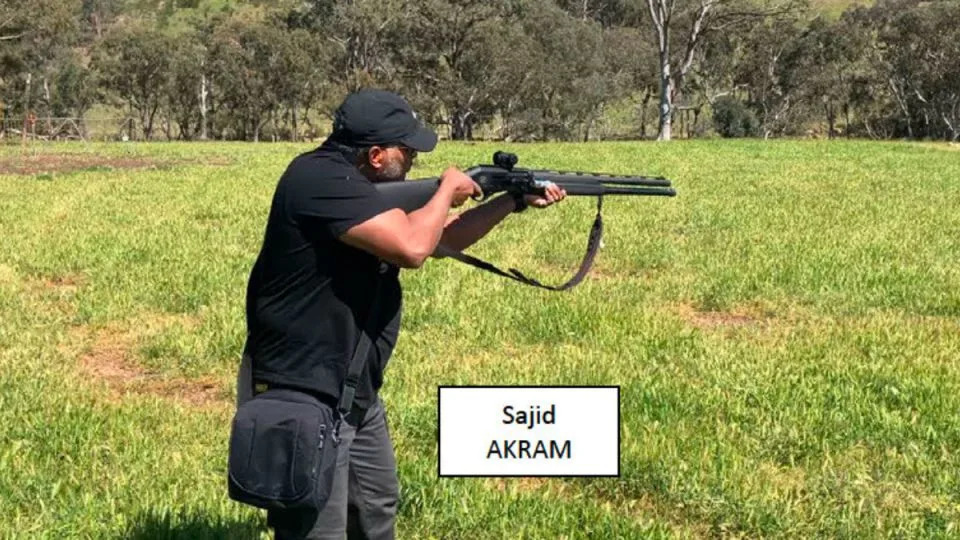
Sajid Akram is seen firing a gun at a countryside location, suspected to be in New South Wales, Australia, in October. - New South Wales Police
'When relatives commit mass violence together, the risk factors look different,' Densley said. 'These attacks tend to be less performative; trust, proximity and mutual reinforcement replace the online networks and attention-seeking behavior often seen in lone attackers.'
Rehearsal, Reinforcement and Shared Worldviews
Densley explains that family members share time, routines and private conversations, allowing dangerous ideas to be rehearsed and reinforced without outside friction. Professor James Alan Fox of Northeastern University adds that parental praise and approval can motivate a younger relative to follow or participate, even if the younger person is less committed to the ideology.
Evidence and Allegations in the Bondi Case
Police allege the pair targeted a Jewish celebration and travelled to the Philippines shortly before the attack, a region where Islamist militancy has a recent history. Investigators reportedly found homemade Islamic State flags in the vehicle and say the two recorded videos expressing extremist views. Court documents also allege the pair practised shooting in rural Australia and conducted reconnaissance of the attack site days before the massacre.
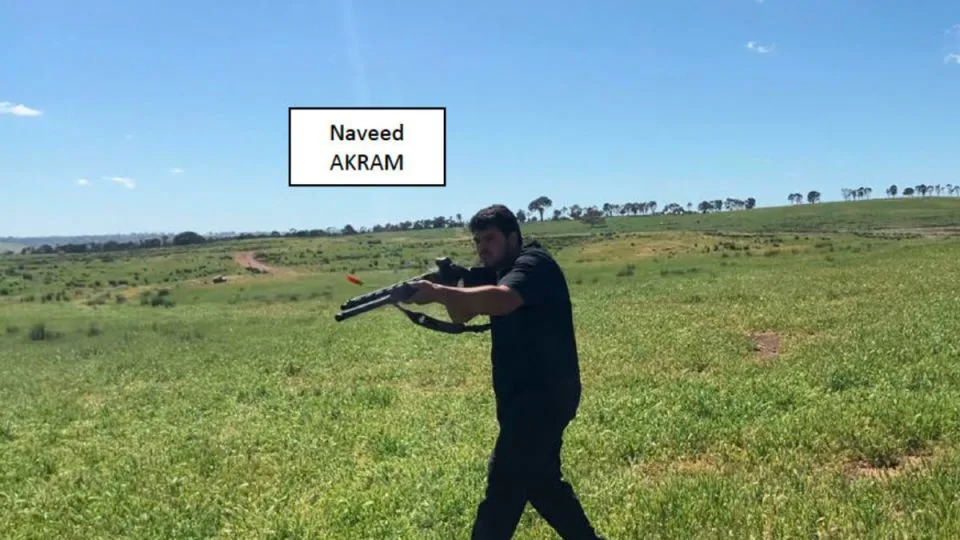
Naveed Akram allegedly took part in firearms training with his father in October, according to court documents. - New South Wales Police
Footage released by police shows Naveed firing from a bridge overlooking Bondi Beach. Authorities later seized six firearms registered to Sajid, who reportedly held a firearms licence and a recreational hunting licence and had met eligibility criteria for ownership.
Why Household Access Matters
Densley notes that when firearms are legally owned and normalized in a household, the barrier for younger family members to access weapons is dramatically lowered. 'Risk is relational, not just individual,' he said. 'In a parent–child case, the key question becomes who controlled the environment where the gun was already present.'
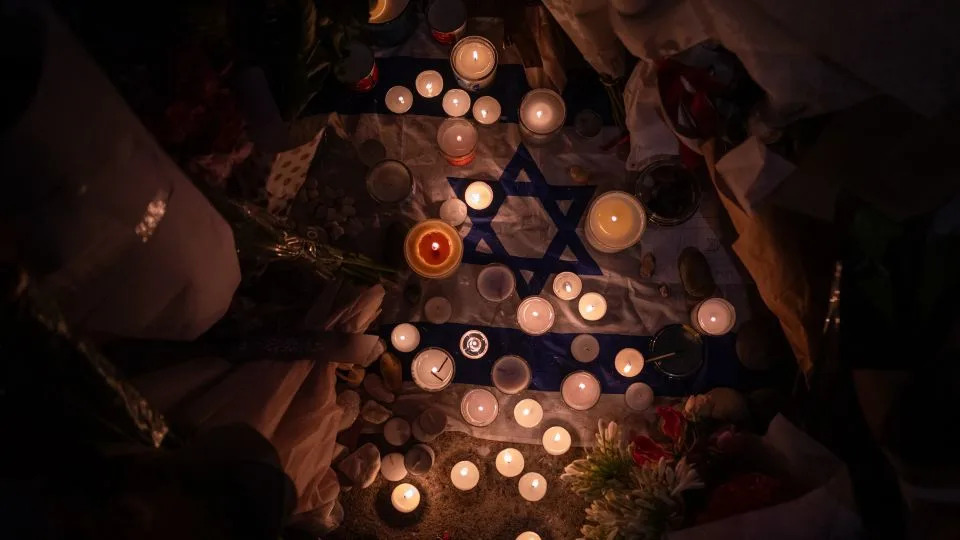
Floral tributes and candles are placed at at Bondi Pavilion at Bondi Beach on December 16, in Sydney, Australia. - Audrey Richardson/Getty Images AsiaPac/Getty Images
Experts point to previous cases where family dynamics shaped violence: the 2013 Boston Marathon bombing (brothers), the 2015 Charlie Hebdo attack (brothers), the 2015 San Bernardino attack (a married couple), the 2022 Wieambilla shootings (related offenders) and the 2019 Sri Lanka attacks (family connections among perpetrators). The 2021 Oxford High School shooting in Michigan also illustrated how parental access and behaviour can influence a child’s lethal actions; the shooter’s parents were later held criminally responsible in that case.
Political Response
Australia’s prime minister and attorney-general announced plans to pursue tougher penalties for hate speech and to create an aggravated offence for adults found to be radicalizing children. Attorney‑General Michelle Rowland said the government is determined to prevent extremist grooming and radicalization of youth.
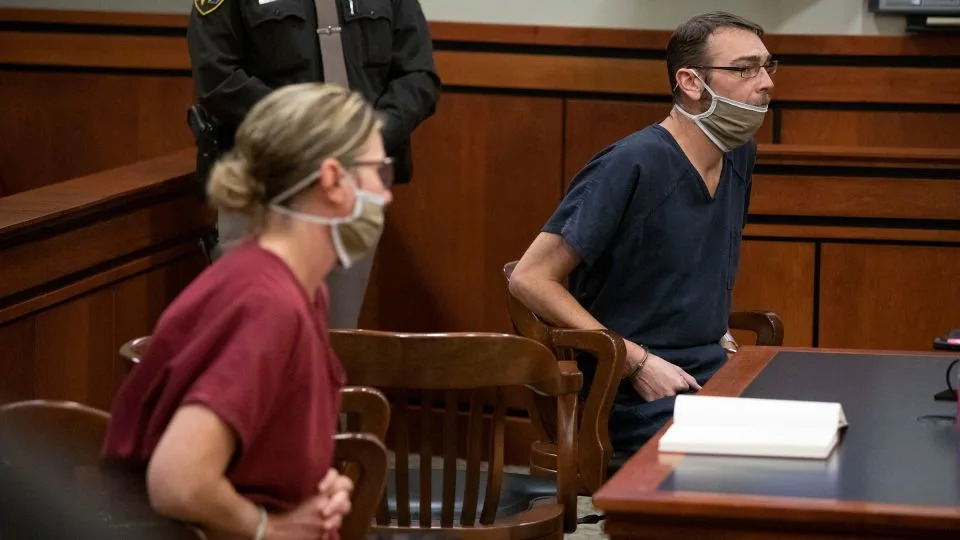
James and Jennifer Crumbley, the parents of 15 year-old Ethan Crumbley who allegedly shot 10 of his schoolmates and 1 teacher at Oxford High School, killing 4 of them. - Bill Pugliano/Getty Images
Implications
The Bondi attack — Australia’s deadliest mass shooting in nearly 30 years — highlights a different pathway to mass violence: family-based radicalization that combines ideological commitment, logistical support and household access to weapons. Investigators and policymakers face the challenge of identifying relational risk factors, not just individual warning signs, when preventing future attacks.
Current status: Naveed Akram faces 59 charges, including 15 counts of murder and a terrorism charge; Sajid Akram was killed at the scene.
Help us improve.





















