The Doha-brokered peace framework and a complementary US-mediated agreement aimed to halt fighting between M23 rebels and the DRC government, but a renewed M23 offensive that briefly captured Uvira has shattered fragile hopes. The conflict has killed at least 7,000 people this year and displaced hundreds of thousands, with reports of mass killings and sexual violence. Regional mediation efforts have repeatedly failed, raising fears of a spillover involving Rwanda and Burundi, while civilians continue to bear the heaviest burden.
Doha Deal Shattered: M23 Offensive and the Fall of Uvira Deepen Regional Crisis in DRC

A view shows the remains of a vehicle hit by heavy and light weapons during the fighting in the town that led to the fall of Goma to M23 rebels, on February 5, 2025 [File: Arlette Bashizi/Reuters]
When Qatar brokered a November agreement intended to halt fighting between the M23 rebel group and the Democratic Republic of the Congo (DRC) government, many Congolese dared to hope for a lasting ceasefire and relief for nearly a million people uprooted by violence in the east. That fragile optimism collapsed this month after M23 launched a renewed offensive and briefly captured the strategic border city of Uvira, underscoring the fragility of the Doha framework and raising fears of wider regional escalation.
What Happened
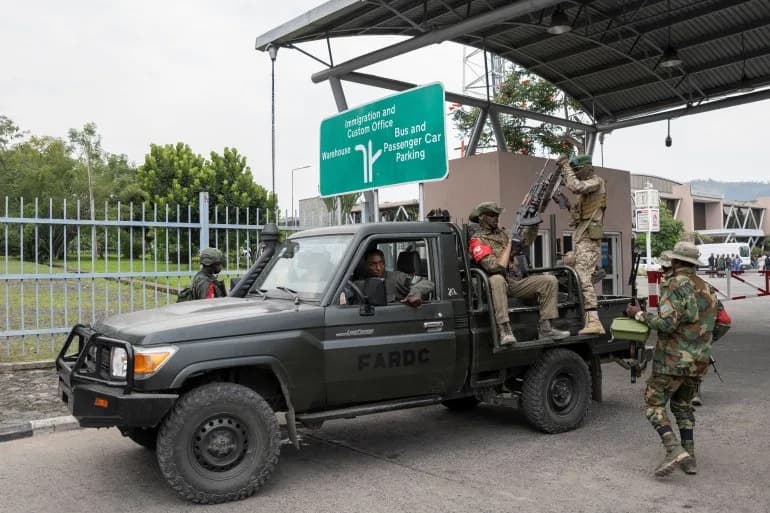
The M23 — which the United States and the United Nations say receives backing from Rwanda — has mounted heavy offensives since late 2021. This year alone the fighting has killed at least 7,000 people and displaced hundreds of thousands. Despite signing a Doha framework in November and a complementary US-mediated understanding in Washington on December 4, the rebels advanced on Uvira within weeks, seizing the city and then withdrawing in what they called a "trust-building measure" after US pressure.
Why Uvira Matters
Uvira is a major transport and commercial hub in South Kivu, on the Rwandan border and only about 30 kilometres from Burundi's capital, Bujumbura. Its capture expanded M23's control along the eastern edge of the DRC, put the group at the gateway to mineral-rich regions and brought Rwandan proxies closer to Burundi — at a time when Kigali and Bujumbura are trading accusations of supporting each other's rebels.
Casualties and Displacement
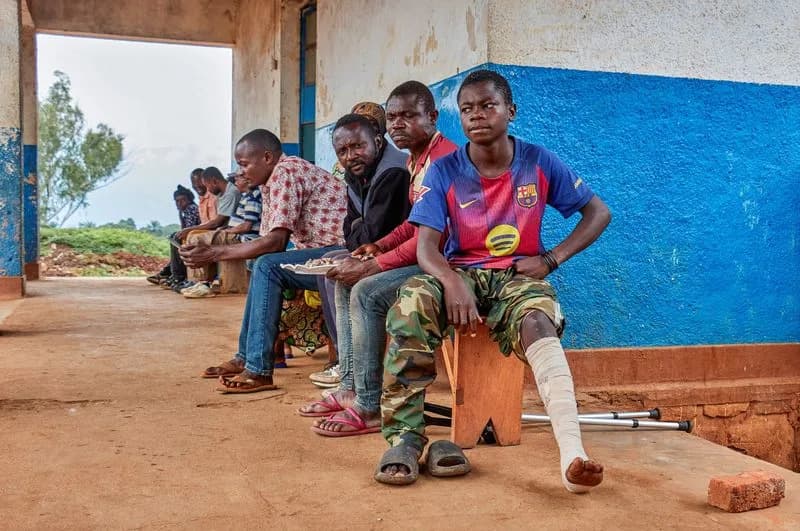
The Congolese government reported at least 400 people killed and around 200,000 displaced during the Uvira assault, with thousands fleeing into Burundi, which already hosts roughly 200,000 Congolese refugees. Displaced civilians and aid groups, including Doctors Without Borders (MSF), reported bombed villages, summary executions and widespread sexual violence attributed to combat by both sides.
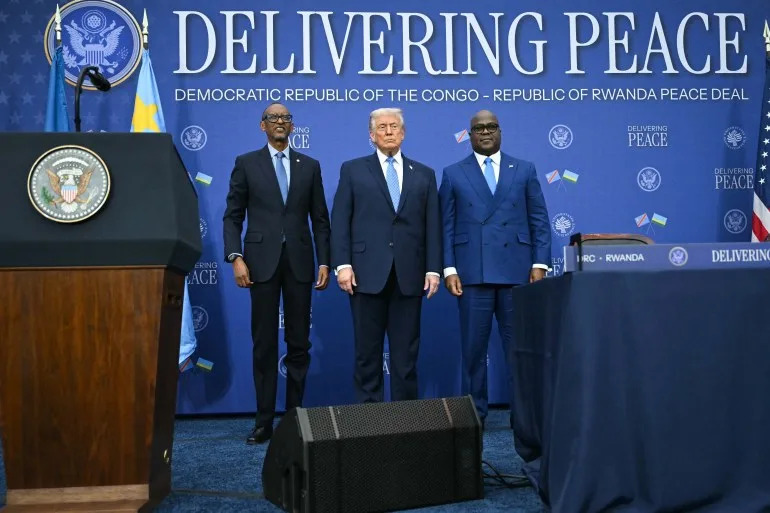
US President Donald Trump hosts the signing ceremony of a peace deal with the president of Rwanda, Paul Kagame, left, and the president of the Democratic Republic of the Congo, Felix Tshisekedi, right, at the United States Institute of Peace in Washington, DC, on December 4, 2025 [Andrew Caballero-Reynolds/AFP]
“It’s clear that they don’t have any will to end this conflict,” said Congolese lawyer and analyst Hubert Masomera from Goma, criticizing both parties and lamenting delays in implementing ceasefire commitments.
Regional Stakes and External Support
Analysts warn the conflict risks turning into a broader regional confrontation. M23 appears to be carving a corridor across the Kivus that would give it access to roads into Rwanda and Uganda and control over resource-rich areas. Kigali denies supporting M23 and points to the presence of Hutu groups such as the FDLR in eastern DRC; Kampala and other regional actors have their own strategic concerns.
Why Diplomatic Efforts Have Failed
Multiple regional and international initiatives — including processes led by the African Union, Angola, the East African Community (EAC), SADC and a Kenyan-led peacekeeping deployment — have failed to secure lasting stability. The US–Qatar two-track effort (Doha for DRC–M23 talks and Washington for DRC–Rwanda engagement) culminated in agreements in November and early December, but critics say the deals lacked robust enforcement mechanisms and may have unequal consequences for the parties.
UN Response and Peacekeepers
Fears of regional spillover contributed to the UN Security Council's decision to extend the MONUSCO peacekeeping mandate for another year. MONUSCO — an 11,000-strong mission present since 1999 — has faced criticism from Kinshasa for failing to protect civilians. The force began partial withdrawals in 2024 but paused them as M23 operations intensified; its operational reach is constrained in areas now held or contested by the rebels.
Human Cost
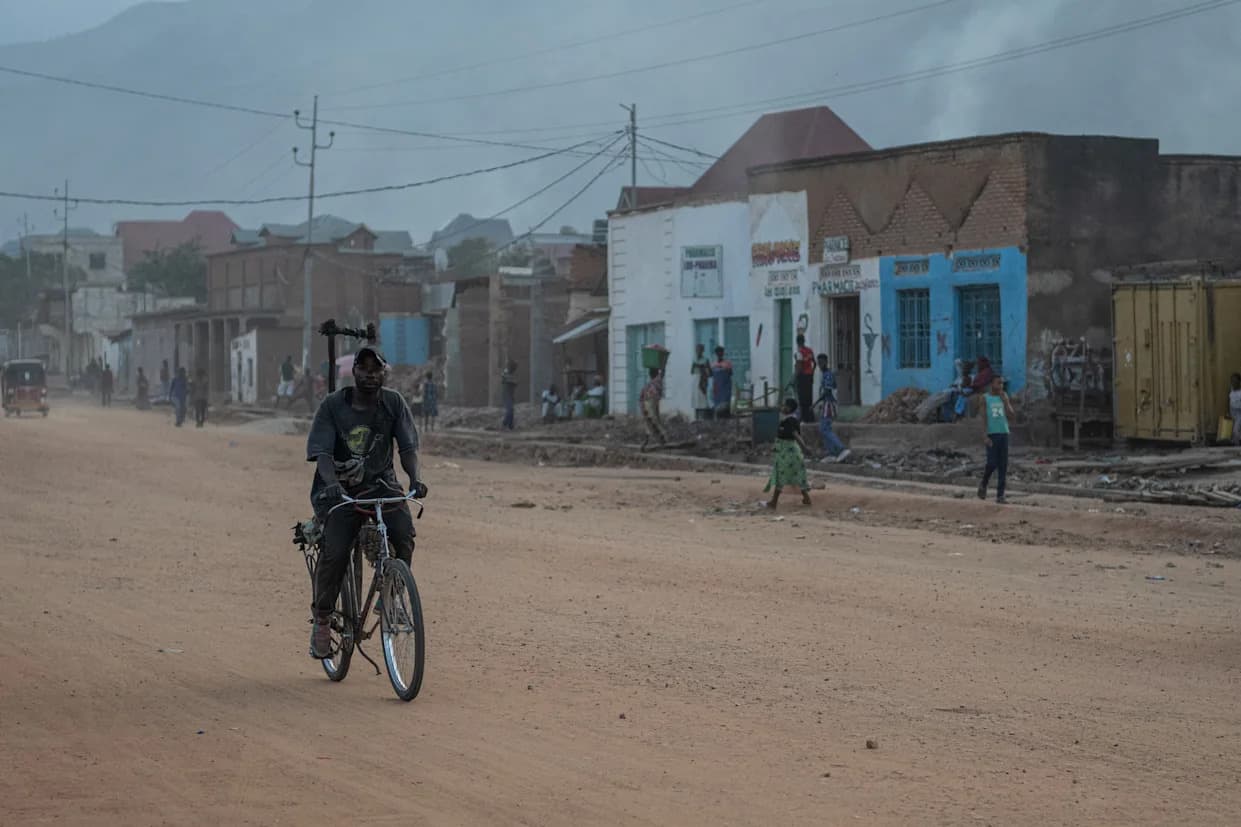
After more than three decades of intermittent war that have transformed the rolling hills of eastern DRC into battlegrounds, civilians remain the principal victims. Many simply want to live in their homes without fear. As one resident in Goma put it: “People have suffered enough and need to breathe, to sleep with the certainty that they will wake up tomorrow.”
Outlook
The collapse of the Doha agreement and the Uvira offensive highlight the fragile nature of the current peace architecture and the acute risk of regional escalation. Without credible enforcement, stronger monitoring and authentic political will from all parties — including neighboring states — the cycle of offensives, displacement and humanitarian suffering is likely to continue.
Help us improve.