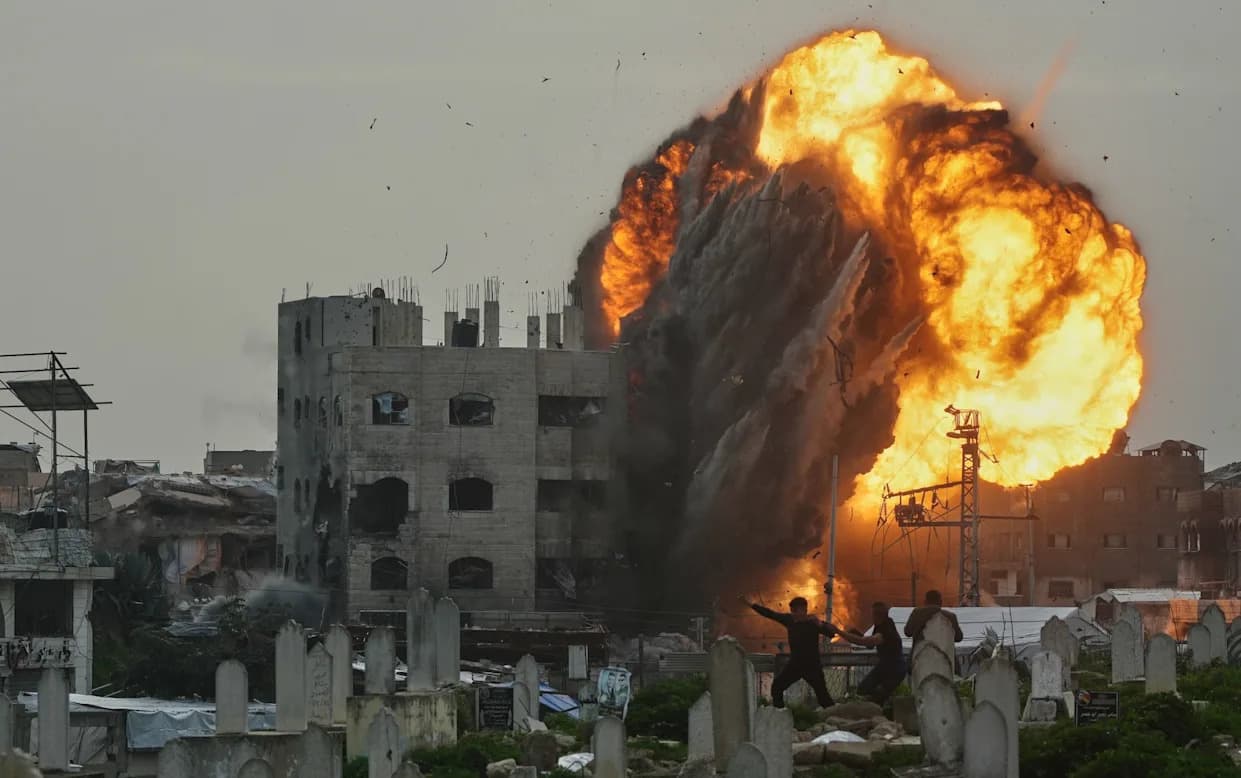
The IPC reports that famine has not spread across the Gaza Strip but stresses the situation remains extremely fragile, with nearly 2,000 people expected to face catastrophic hunger through April. A ceasefire and improved humanitarian and commercial deliveries have increased food access for many, but large-scale displacement, poor sanitation and uneven aid delivery leave millions at risk. Aid agencies say sustained, expanded and unobstructed assistance — including food, fuel, shelter and health care — is urgently needed to prevent further loss of life.
Famine Spread in Gaza Averted, But Millions Still Face Starvation Risk, Experts Warn

FILE - Palestinian women struggle to receive donated food at a community kitchen in Nuseirat, central Gaza Strip, Wednesday, Dec. 17, 2025. (AP Photo/Abdel Kareem Hana, File)(ASSOCIATED PRESS)
TEL AVIV, Israel (AP) — The Integrated Food Security Phase Classification (IPC), the world’s leading authority on food crises, says the spread of famine across the Gaza Strip has been averted for now, but conditions remain critical and the entire territory continues to face the risk of mass starvation.
Ceasefire Brought Improvements, But Fragility Persists
The IPC’s latest assessment notes "notable improvements" in food security and nutrition following an October ceasefire: access for humanitarian and commercial deliveries has increased and many people report having two meals a day compared with roughly one meal daily in July. Still, the IPC warns the situation is "highly fragile," estimating nearly 2,000 people could face catastrophic levels of hunger through April.
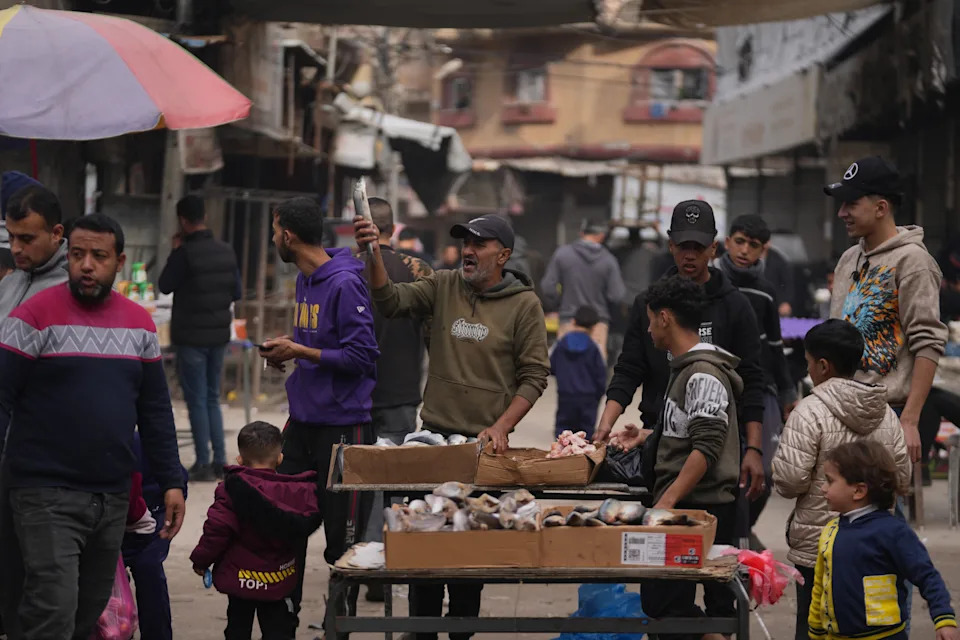
A Palestinian vendor displays sardines for sale on a street of a local market in Gaza City, Friday, Dec. 19, 2025. (AP Photo/Abdel Kareem Hana)(ASSOCIATED PRESS)
Worst-Case Risks
The report cautions that renewed conflict or any halt to aid could rapidly reverse gains and put the entire Gaza Strip at risk of famine. The IPC says needs remain immense and that sustained, expanded and unhindered assistance is required to prevent further deterioration.
Disputes Over Aid Access And Volumes
Israeli coordinating agency COGAT and the Israeli Foreign Ministry rejected the IPC’s conclusions, saying they are complying with the ceasefire and that delivered aid "significantly exceed the nutritional requirements of the population" when calculated by accepted international methodologies. The ministry also criticized the IPC’s data sources, saying the IPC relies too heavily on U.N. truck counts.
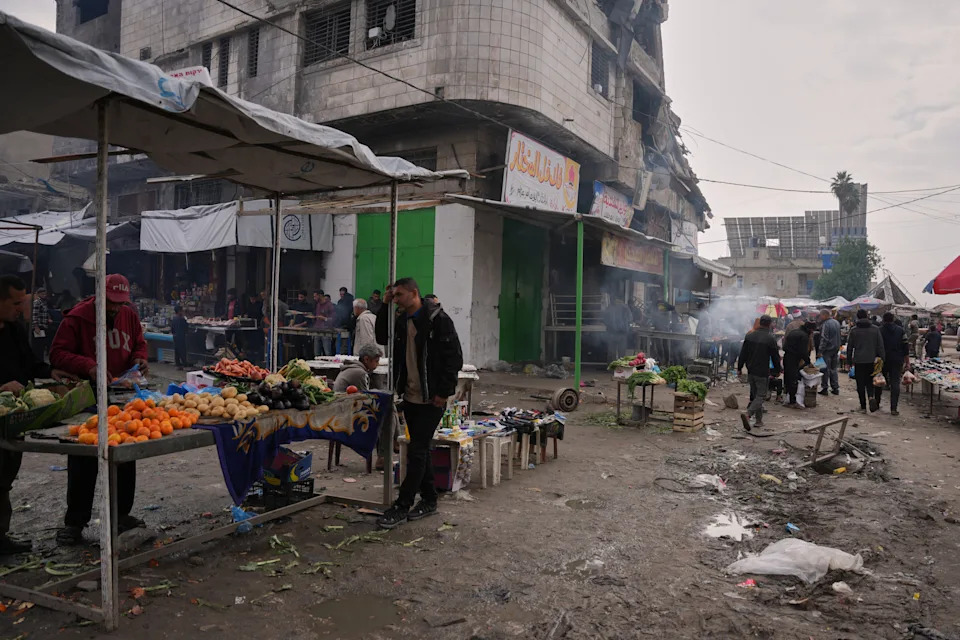
Palestinians walk along street market where fruits and vegetables are displayed for sale in Gaza City, Friday, Dec. 19, 2025. (AP Photo/Abdel Kareem Hana)(ASSOCIATED PRESS)
The IPC responded that its totals include both commercial and U.N. trucks and that its analysis is based on United Nations and COGAT data. U.S. officials at the U.S.-led aid coordination center have at times reported deliveries met agreed levels, while some Israeli figures suggest the daily target of 600 trucks has not been consistently met.
Drivers Of Hunger
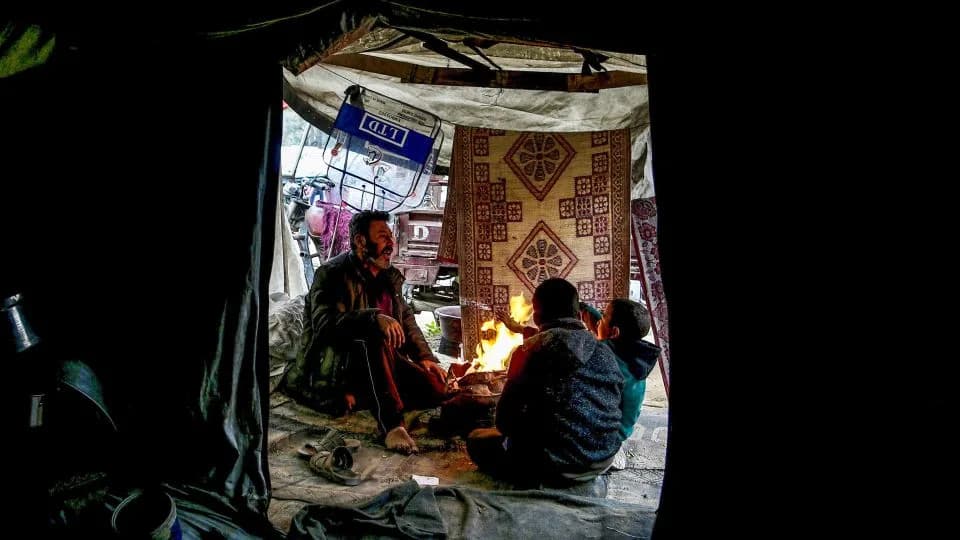
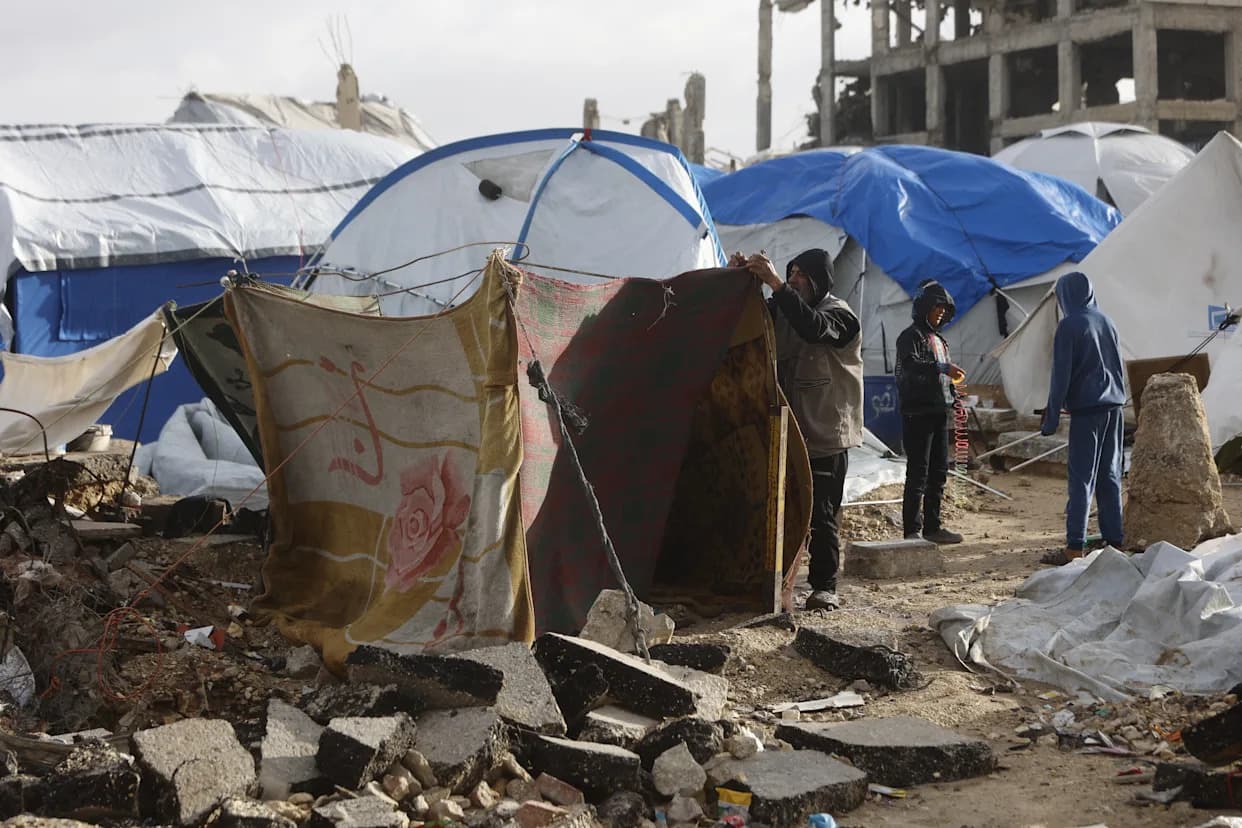
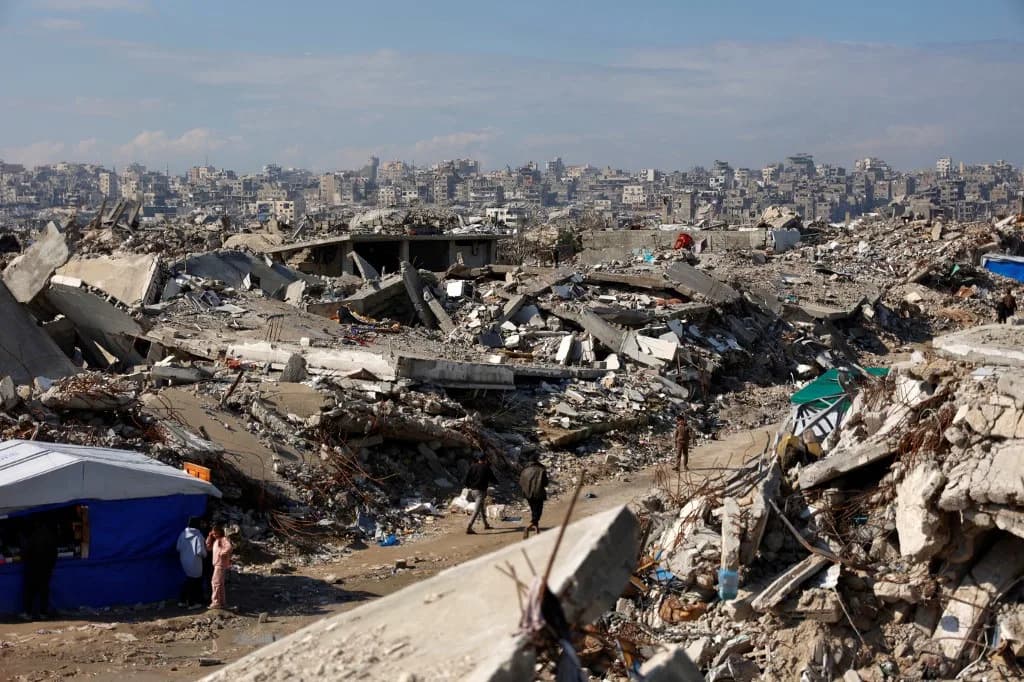
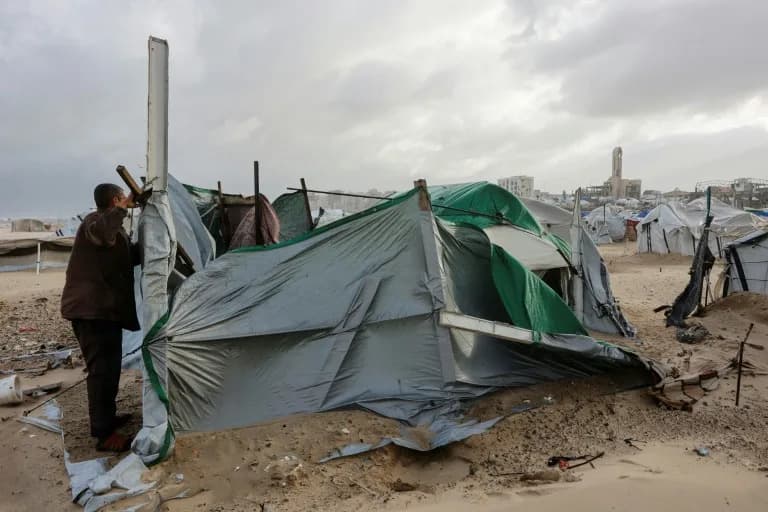
Key factors driving food insecurity include widespread displacement, damaged infrastructure, restricted and uneven humanitarian access, and poor hygiene and sanitation. More than 70% of Gaza’s population is living in makeshift shelters or improvised housing and depends on assistance.
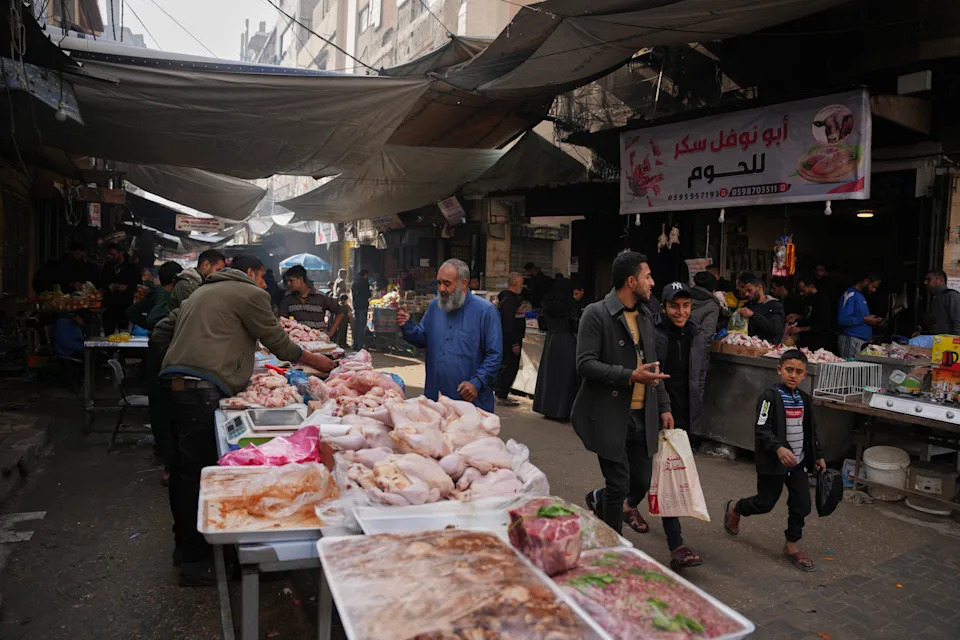
A Palestinian looks at chicken cuts displayed for sale at a local street market in Gaza City, Friday, Dec. 19, 2025. (AP Photo/Abdel Kareem Hana)(ASSOCIATED PRESS)
Humanitarian Needs Remain Acute
Aid agencies warn that shelter is now among the most urgent needs: nearly 1.3 million Palestinians are estimated to require emergency shelter as winter approaches, with many living in waterlogged tents. The IPC also warns that over the next 12 months more than 100,000 children aged 6 months to 5 years are expected to suffer from acute malnutrition and will require treatment.
"This is not a debate about truck numbers or calories on paper. It’s about whether people can actually access food, clean water, shelter and health care safely and consistently. Right now, they cannot,"
— Bushra Khalidi, Oxfam policy lead for Israel and the occupied Palestinian territory.
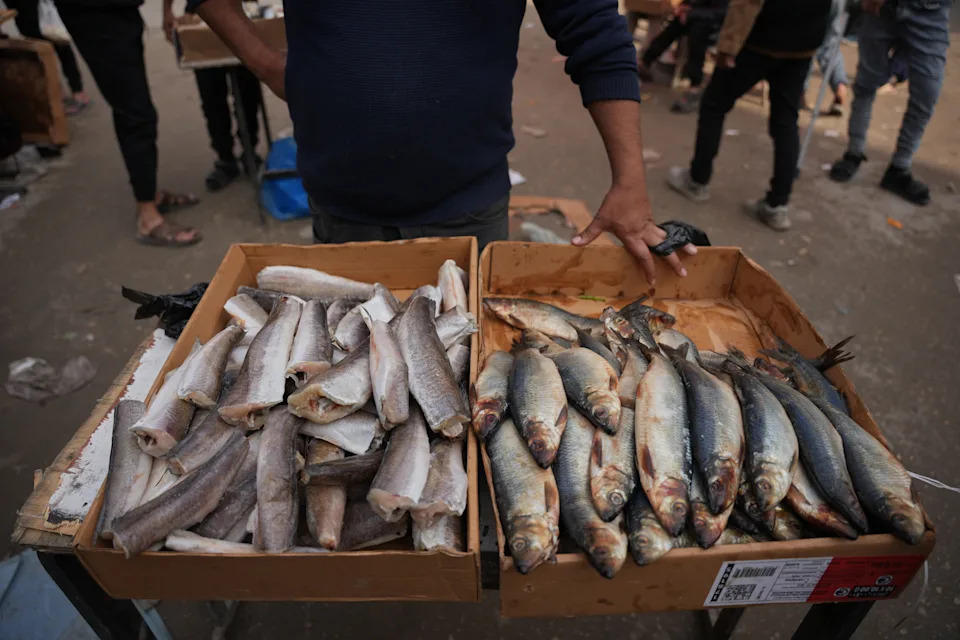
A Palestinian vendor displays sardines for sale on a street of a local market in Gaza City, Friday, Dec. 19, 2025. (AP Photo/Abdel Kareem Hana)(ASSOCIATED PRESS)
Residents also report that even when markets carry food, many cannot afford to buy it. "There is food and meat, but no one has money," said Hany al-Shamali, displaced from Gaza City. "How can we live?"
Edith M. Lederer contributed to this report from the United Nations.
Help us improve.