Israel's new NGO registration rules require organisations working in Gaza and the West Bank to register by December 31. Around 100 applications have been filed; authorities say 14 were rejected for alleged links to terrorism, antisemitism, Holocaust denial or "delegitimisation" of Israel. Major groups including Save the Children and AFSC have been barred and must withdraw international staff within 60 days, a move UN coordinators warn could cause a "catastrophic" collapse in aid services. Aid deliveries remain far below ceasefire targets, and critics say vague terms in the rules risk silencing routine reporting and criticism.
NGOs Warn New Israeli Registration Rules Could Deal 'Catastrophic' Blow to Gaza Aid

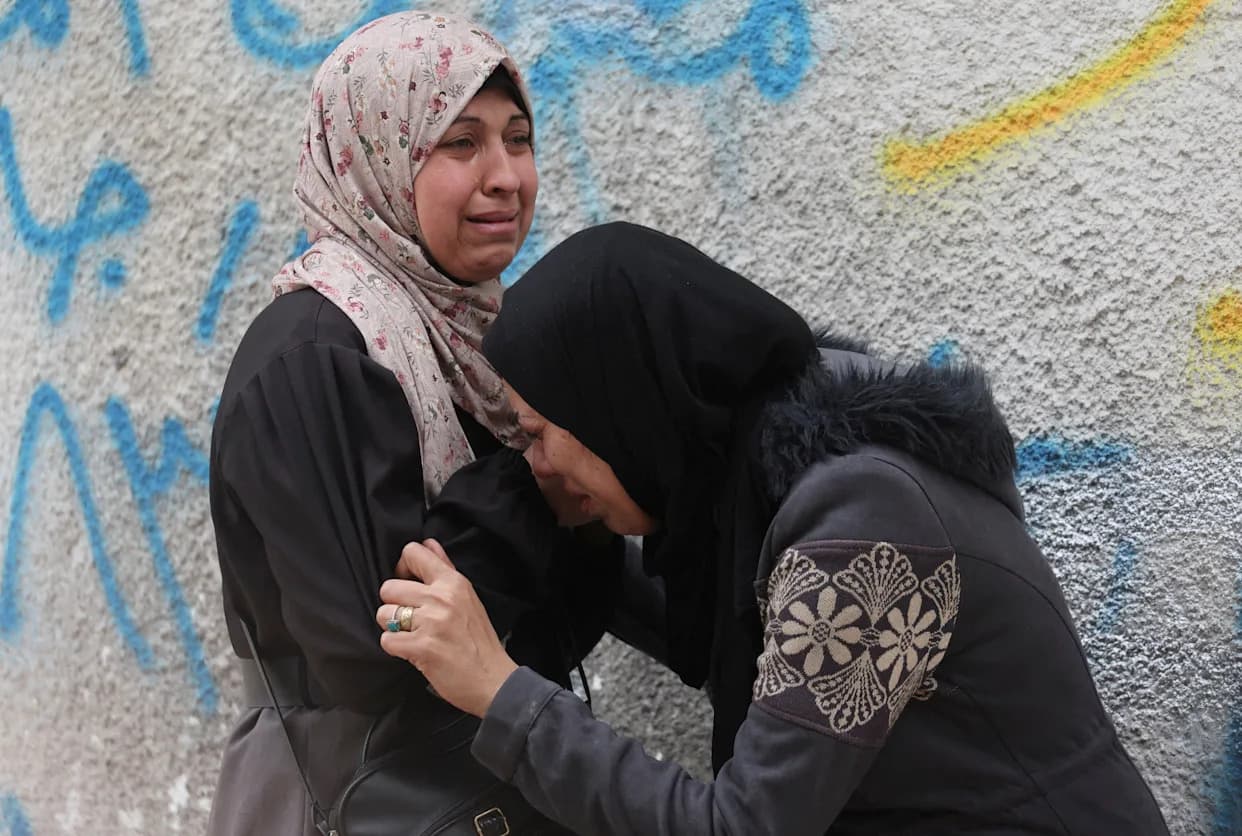
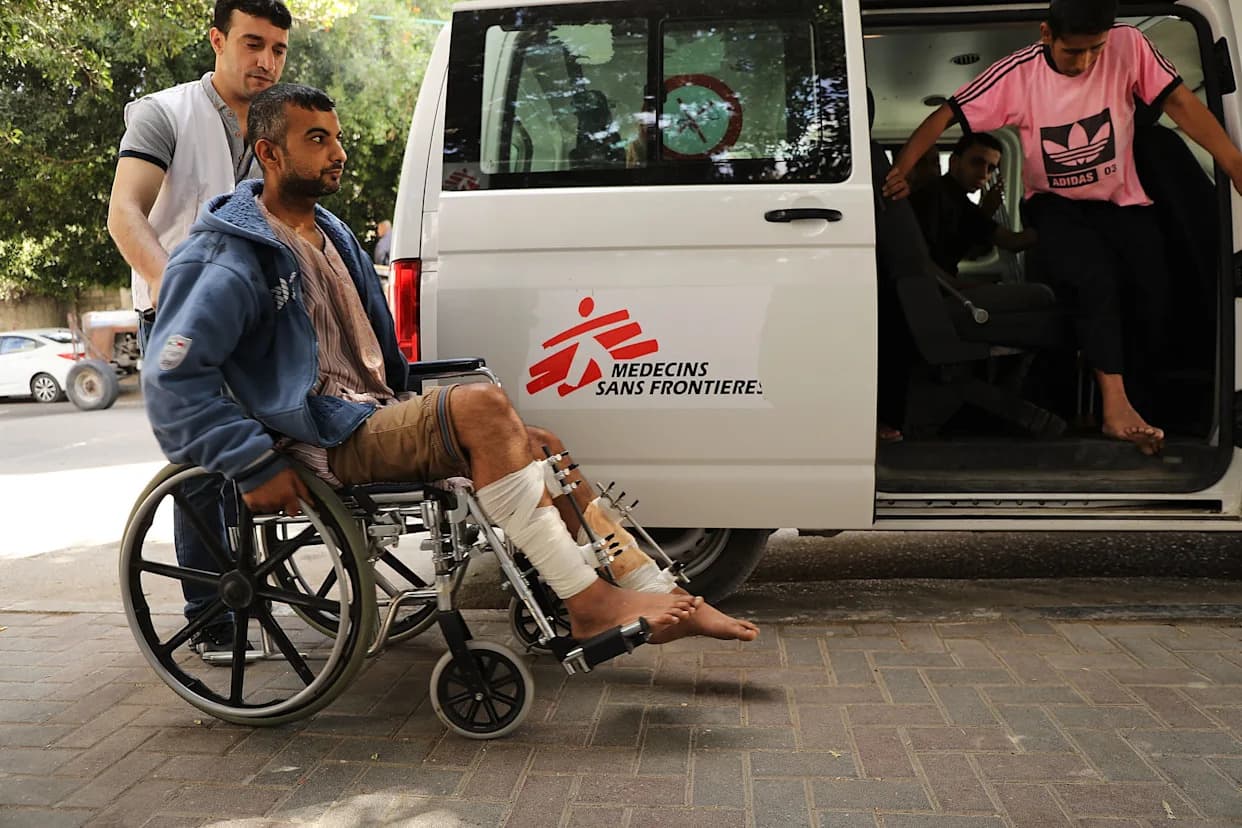
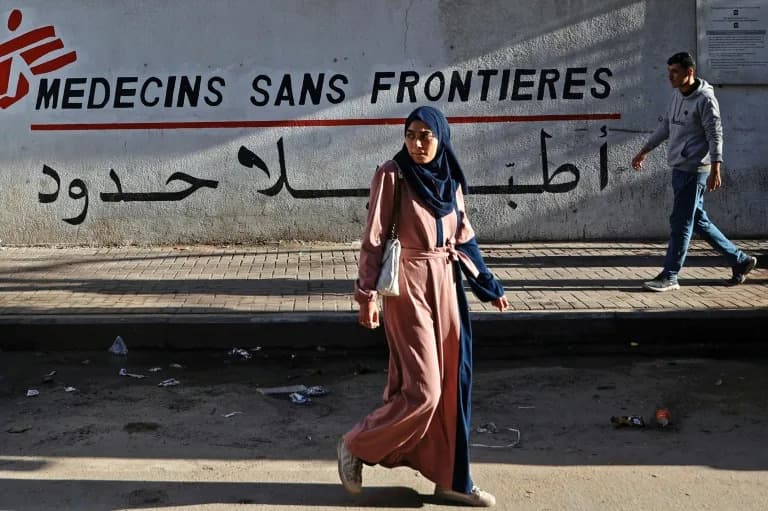
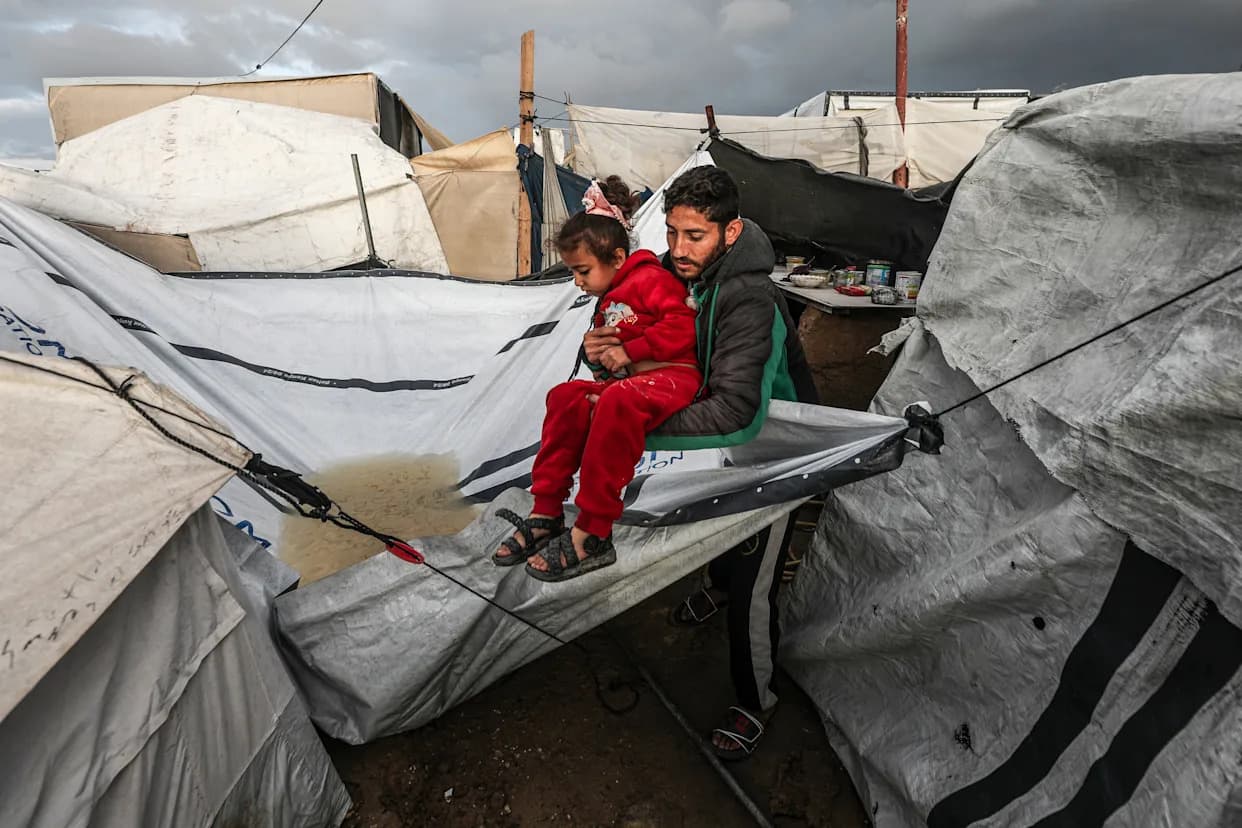
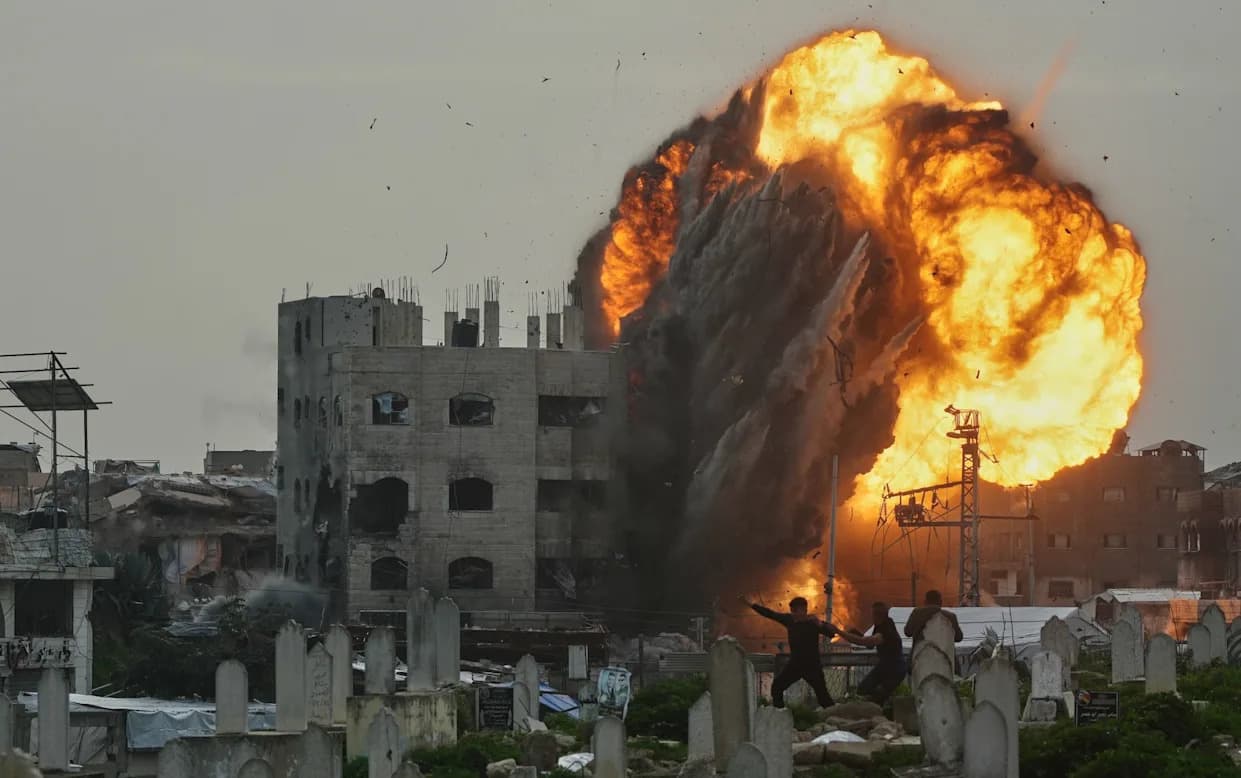
NGOs warn Gaza is still battling a full-scale humanitarian crisis (Bashar Taleb)(Bashar Taleb/AFP/AFP)
Relief organisations warn that Israel's recently introduced NGO registration rules — under which more than a dozen groups have already been rejected — could inflict a catastrophic setback on humanitarian operations in Gaza and the occupied West Bank.
What the Rules Require
The revised framework requires NGOs operating in Gaza, the West Bank and Israel to register by December 31. Israel says the rules aim to prevent "hostile actors or supporters of terrorism" from operating in the Palestinian territories while not obstructing legitimate aid delivery.
As of November 2025, Israel's Ministry of Diaspora Affairs and Combating Antisemitism told AFP that roughly 100 registration requests had been submitted and that "only 14 organisation requests have been rejected... The remainder have been approved or are currently under review." The ministry said rejections target organisations involved in "terrorism, antisemitism, delegitimisation of Israel, Holocaust denial, [or] denial of the crimes of October 7."
Immediate Consequences
Among the groups reported to have been barred are well-known organisations such as Save the Children — which assists some 120,000 children in Gaza — and the American Friends Service Committee (AFSC). Those refused registration have been given 60 days to withdraw all international staff from Gaza, the occupied West Bank and Israel and are now prohibited from transporting humanitarian supplies across the border into Gaza.
Save the Children's local staff and partners say they remain committed to providing essential child-focused services, including psychosocial support and education.
Humanitarian Impact
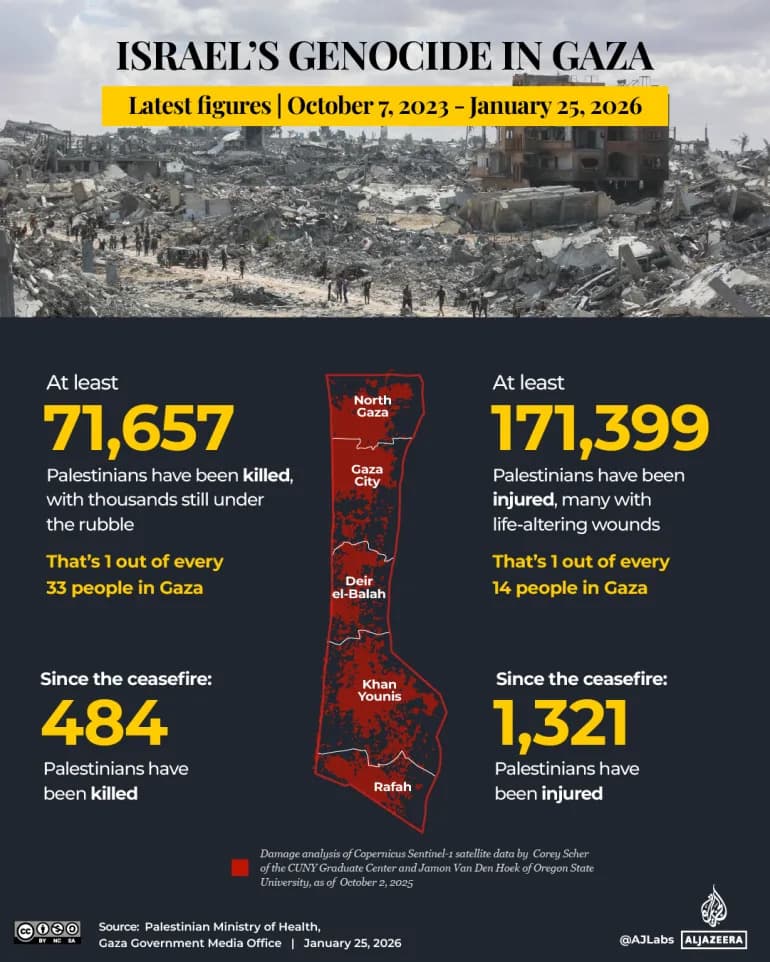
Humanitarian coordinators and NGOs warn the move could destabilise an already fragile relief operation. The United Nations and aid groups say the volume of aid entering Gaza is far below the October 10 ceasefire target of 600 trucks per day, with only 100–300 trucks carrying humanitarian supplies currently getting through.
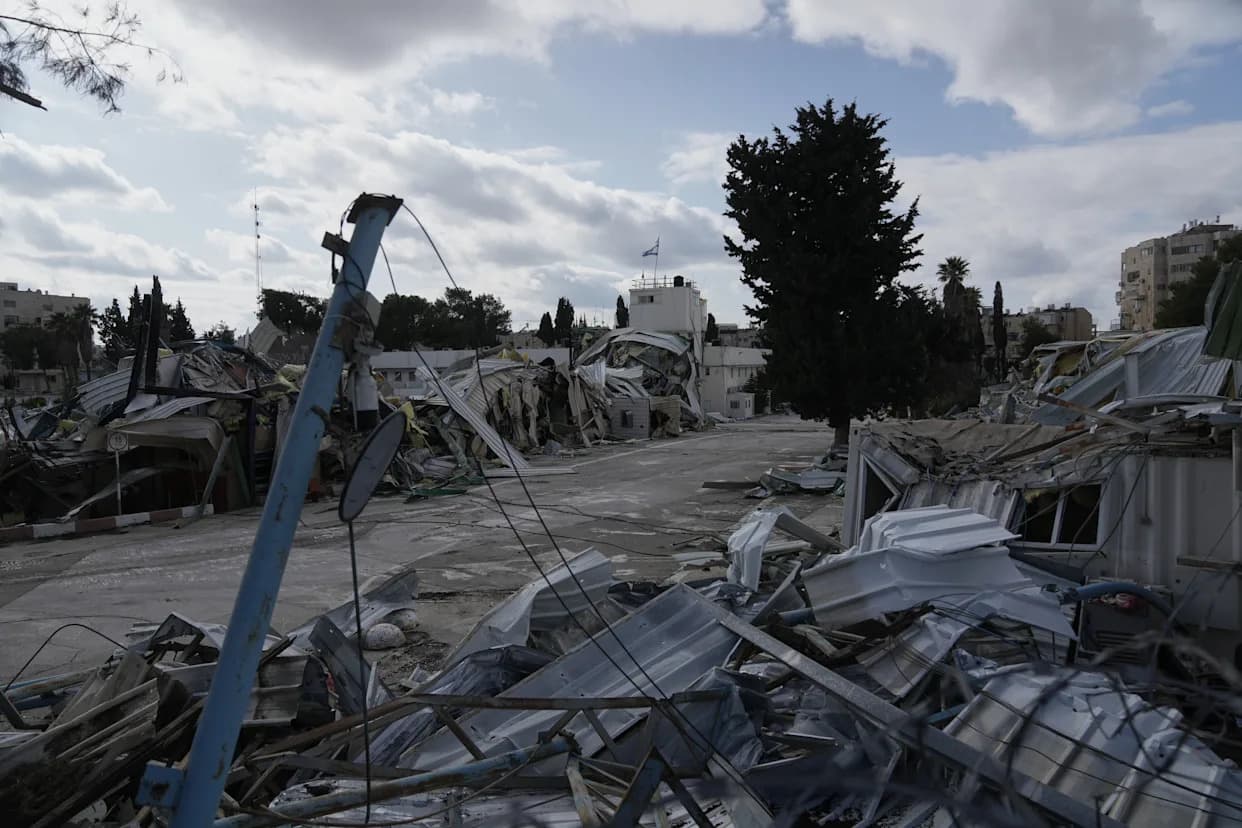
"The deregistration of NGOs in Gaza will have a catastrophic impact on access to essential and basic services," warned the Humanitarian Country Team for the Occupied Palestinian Territory (HCT).
Legal And Operational Concerns
Some NGOs say they complied with most documentation requirements but drew a line at providing sensitive information about Palestinian staff. Rights groups and aid workers also object to the requirement that organisations prove they do not engage in "delegitimisation" of Israel — a term they say is vague and could be used to penalise routine reporting and criticism.
Yotam Ben-Hillel, an Israeli lawyer assisting NGOs and filing appeals, said: "Israel sees every little criticism as a reason to deny their registration... We don't even know what 'delegitimisation' actually means." Several applications have reportedly been refused on that basis.
Broader Reactions
International rights groups, including Amnesty International and Human Rights Watch, have accused Israel of committing crimes in Gaza — claims the Israeli government denies. The UN-coordinated forum of agencies and NGOs urged Israel to "lift all impediments," saying the new rules risk the collapse of the humanitarian response.
Some humanitarian sources told AFP they had never heard of several newly accredited organisations and noted that a number of accredited groups currently have little or no presence in Gaza. Reports also suggested some organisations included in U.S.-linked proposals for Gaza were among those approved, a point highlighted by a European diplomatic source who warned that starting from scratch could leave gaps in aid delivery after the December deadline.
What To Watch
With the December 31 deadline approaching, the key questions are whether approved organisations can scale up quickly enough and whether remaining or newly accredited actors have the local experience required to replace long-established NGOs. Humanitarian actors caution that any loss of experienced operators risks a sharp decline in lifesaving services at a critical moment.
Help us improve.