The Justice Department has started releasing documents related to Jeffrey Epstein, with more expected by year’s end. Beyond partisan politics, the disclosures raise core questions about power, impunity and accountability among elites. Photographs and emails have already damaged reputations, and advocates hope the revelations will help catalyze reforms to ensure the powerful are not above the law.
Beyond Scandal: The Epstein Files, Power, Impunity and the Urgency of Accountability

The Epstein affair is so much more than a political scandal
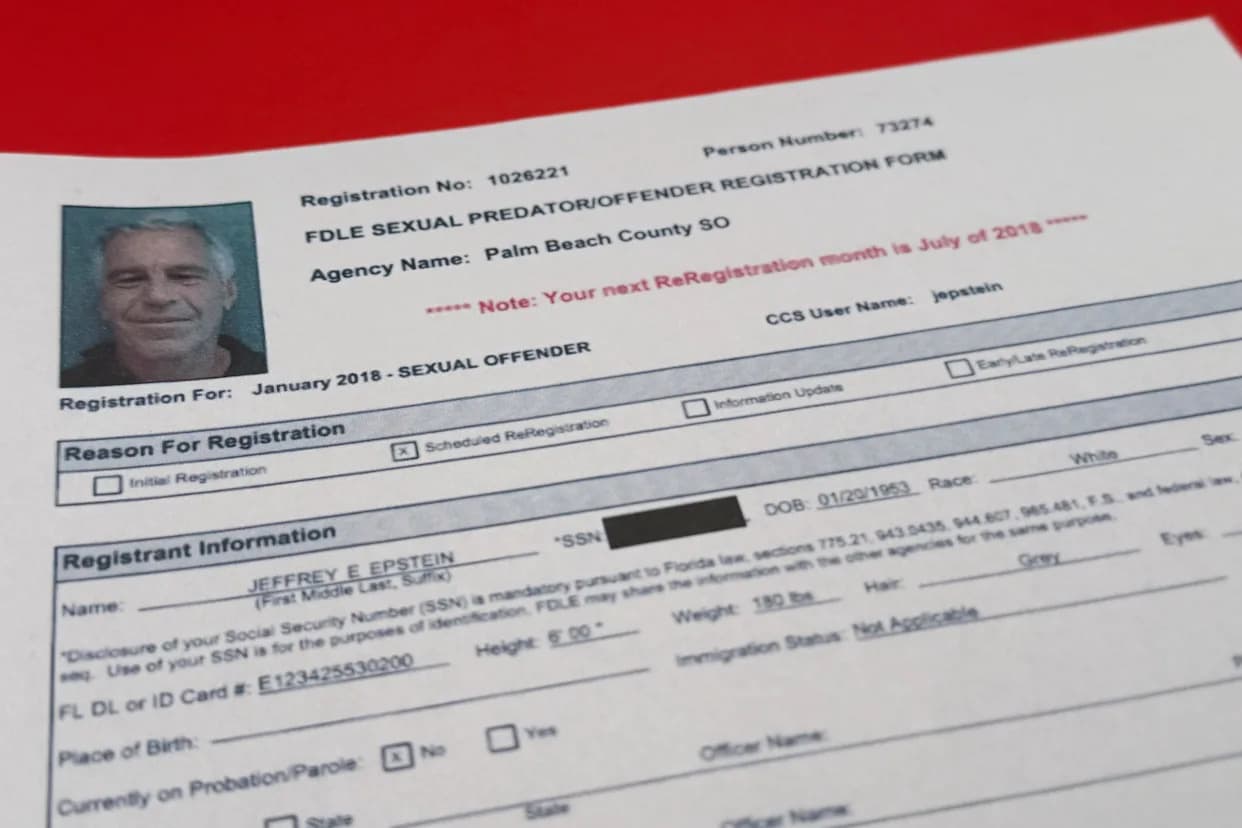
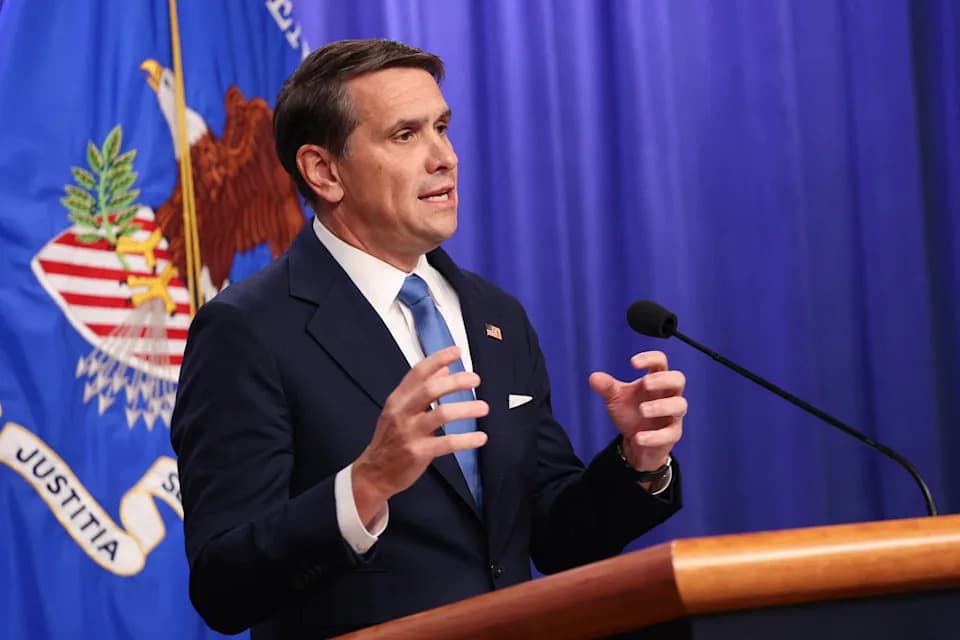
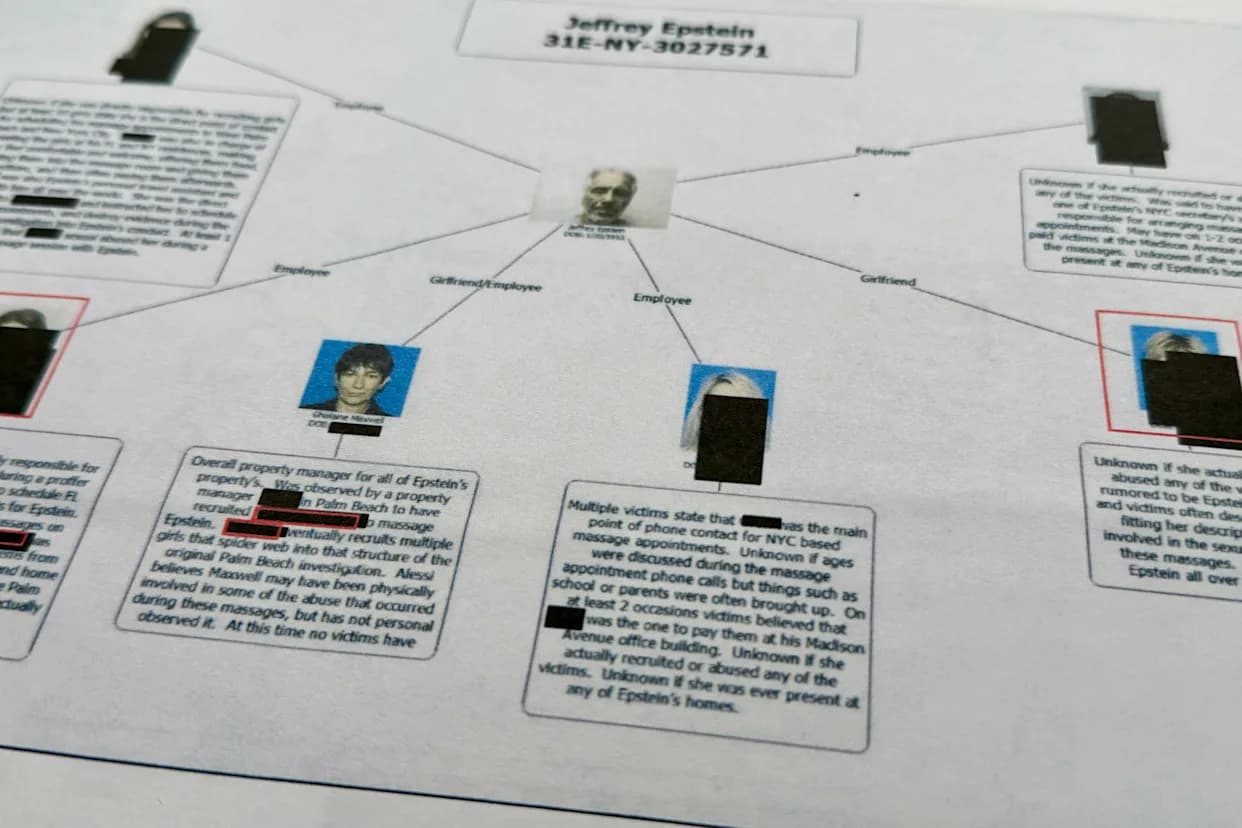
A fuller accounting of Jeffrey Epstein’s crimes and connections is finally unfolding. The Justice Department has begun publishing case files and said additional material will be released by year’s end. Those records are likely to disclose new details and associations that reporters and investigators will pursue.
Why this matters
At its core, the Epstein story raises urgent questions about power, impunity and accountability. When abuses of this scale come to light — especially if prominent people were complicit or turned a blind eye — society gets an opportunity to reaffirm the norms and legal protections that should apply to everyone.
How the release happened
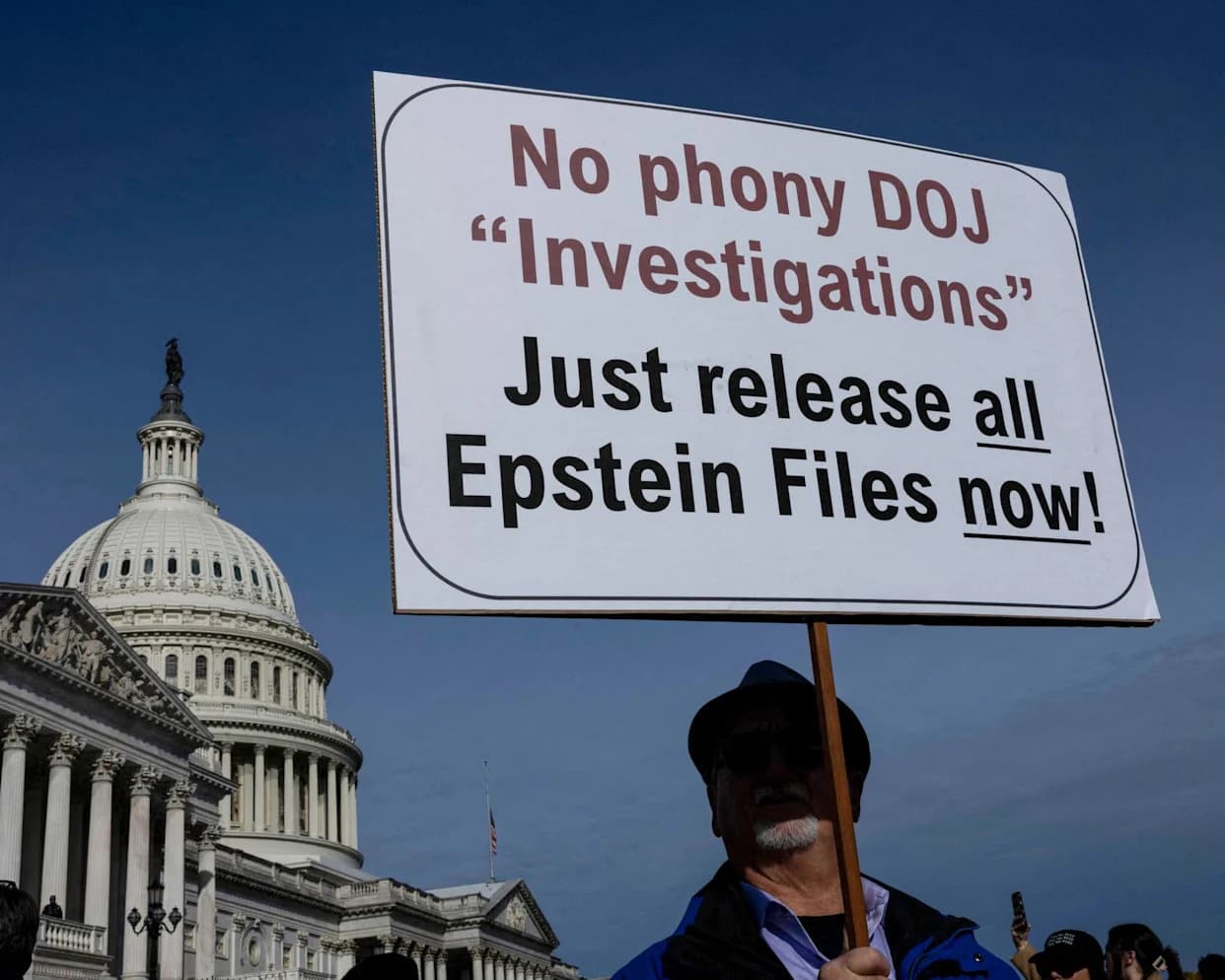
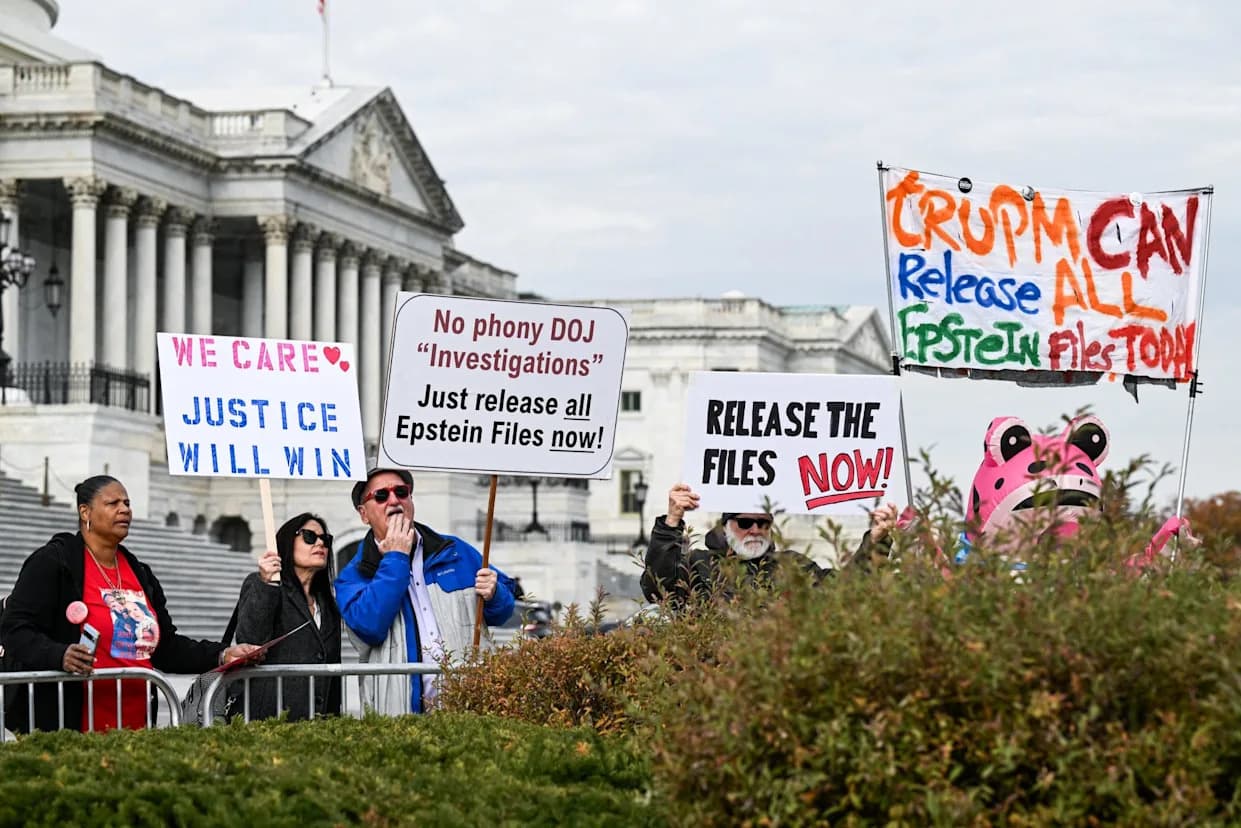
Pressure to publish the files came from multiple directions: victims demanding transparency, bipartisan congressional attention and public curiosity about what powerful figures might have known. The administration initially delayed disclosure, and President Trump publicly minimized the issue, calling on Americans "not to waste time and energy on Jeffrey Epstein." That stance frustrated many on the right and left, and ultimately helped build momentum for release.
What the documents and other materials show
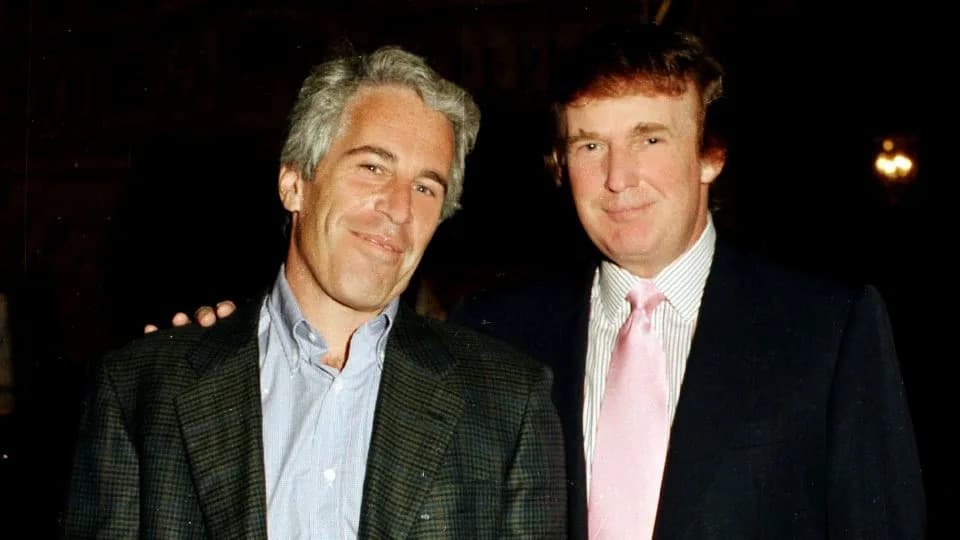
Already released documents and photographs from the Epstein estate have placed well-known individuals — including Bill Gates, Steve Bannon and Noam Chomsky — in Epstein’s orbit, appearing on his plane or at his properties. Those images do not by themselves prove criminal activity or prior knowledge of crimes, but they are reputationally damaging and raise legitimate questions about judgment and associations.
‘‘Evidence of association is not evidence of guilt, but it matters for accountability and public trust.’’
Some consequences have followed: for example, the tone of Larry Summers’s private communications with Epstein contributed to his fall from prominent positions within elite institutions. He has faced professional sanctions and widespread criticism, a reminder that exposure can produce meaningful non-criminal accountability.
Broader implications
The Epstein case is not proof of a single global conspiracy, and conspiracy theories should not be conflated with facts. But the case underscores how concentrated wealth and access can shield wrongdoing from scrutiny. If public disclosure makes powerful people more cautious about acting as if they are above the law, that is a civic gain.
The story also connects to wider concerns about governance. Critics argue that the Trump administration’s record of corruption and disdain for legal limits reflects a similar culture of impunity. When his term ends, many experts say the country will need reforms — perhaps the sort of overhaul prompted by Watergate — to strengthen oversight and restore institutional checks on power.
What comes next
More documents are expected by year’s end. Journalists and investigators will follow leads, corroborate claims and distinguish between damaging associations and criminal conduct. Victims continue to press for justice and transparency. Ultimately, the fullest value of these disclosures will be measured not only by new names in the headlines but by whether they spur durable changes to prevent future abuses.
Help us improve.