Relief organisations warn Israel's new NGO registration rules — and a Dec. 31 compliance deadline — risk severely disrupting aid to Gaza and the occupied West Bank. More than a dozen groups have already been denied registration and some face 60-day withdrawal orders for international staff. Critics say vague criteria such as a ban on "delegitimisation" of Israel could be applied broadly, while humanitarian bodies warn that new, less experienced groups cannot easily replace long-standing aid providers.
NGO Warnings: Israel’s New Registration Rules Threaten Humanitarian Aid in Gaza and West Bank

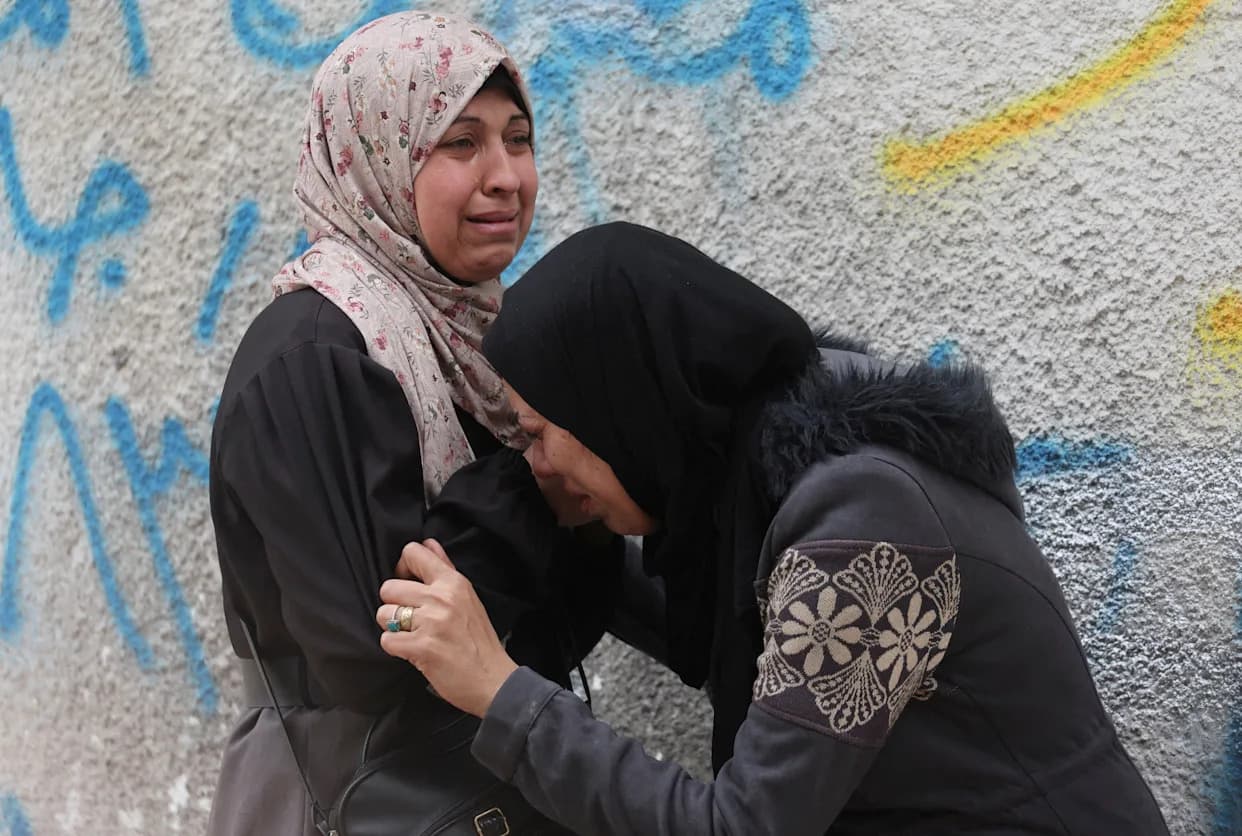
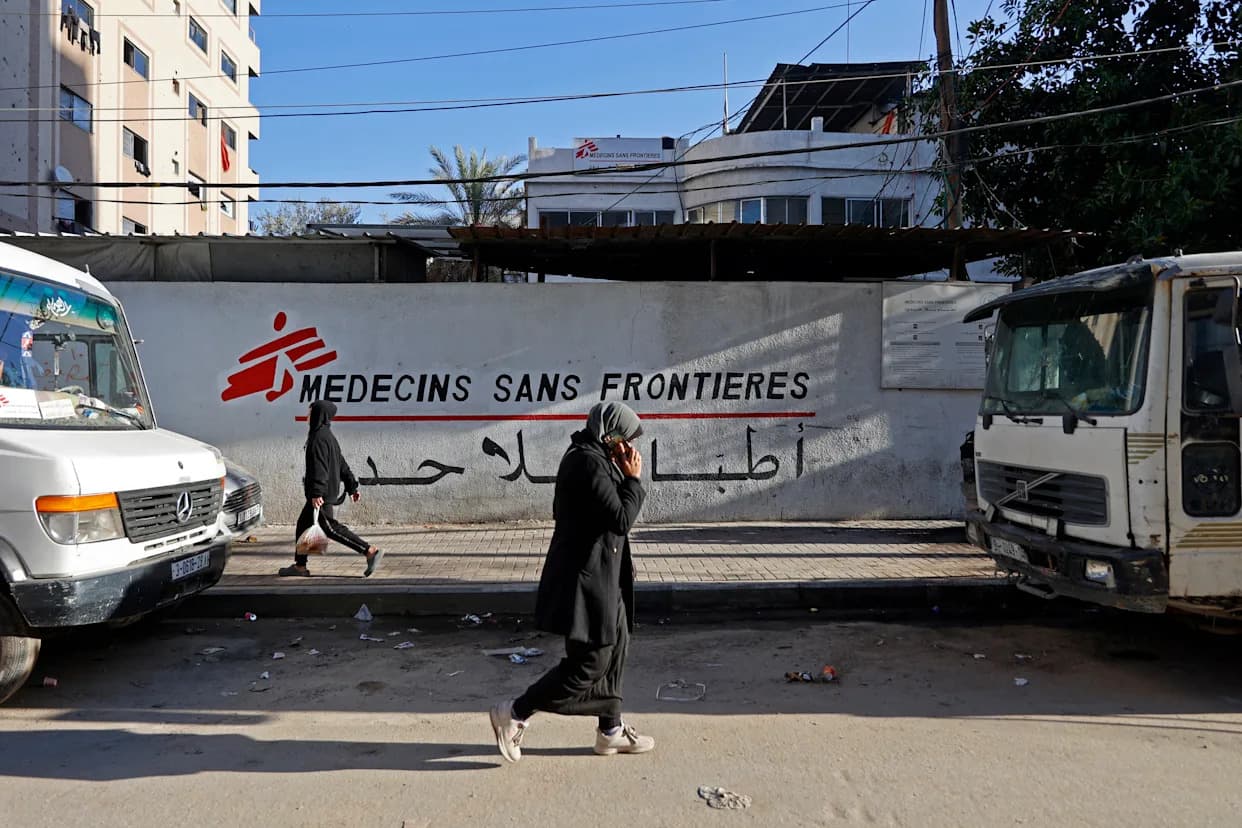
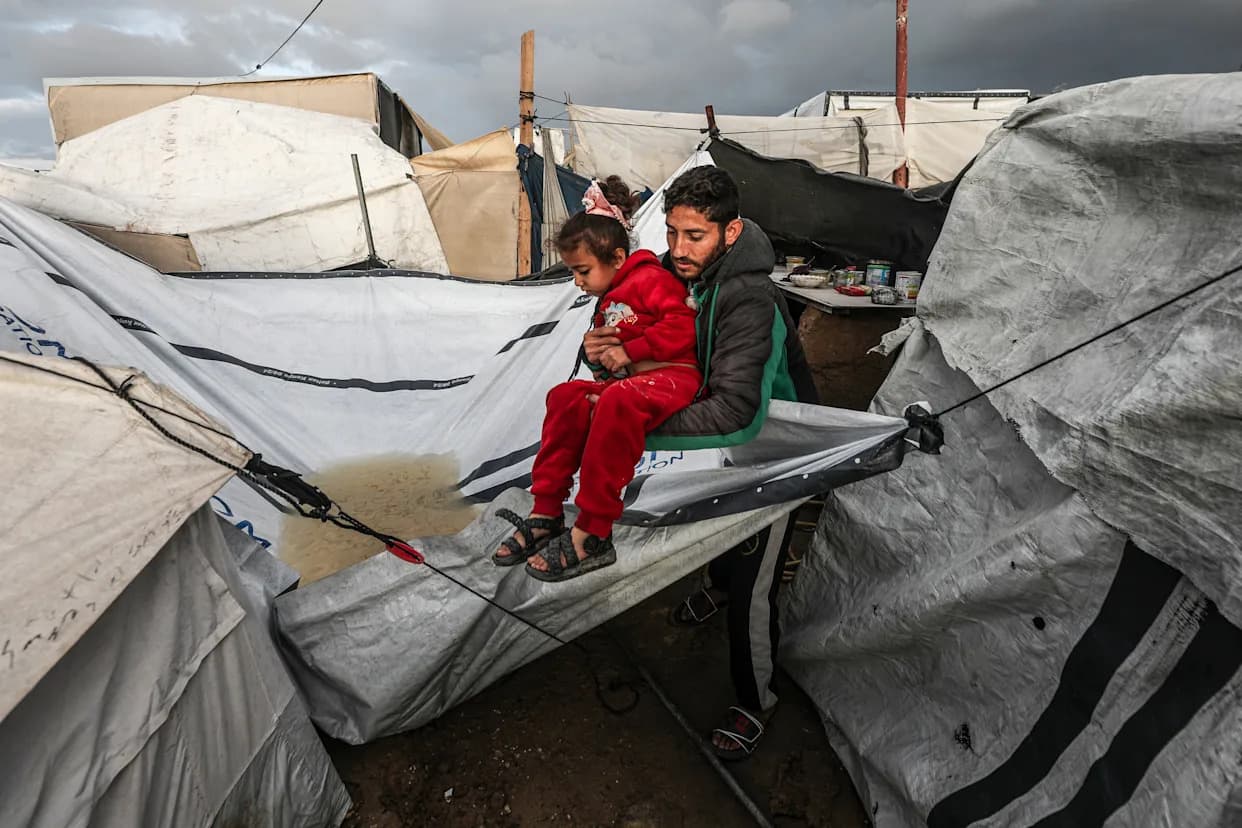
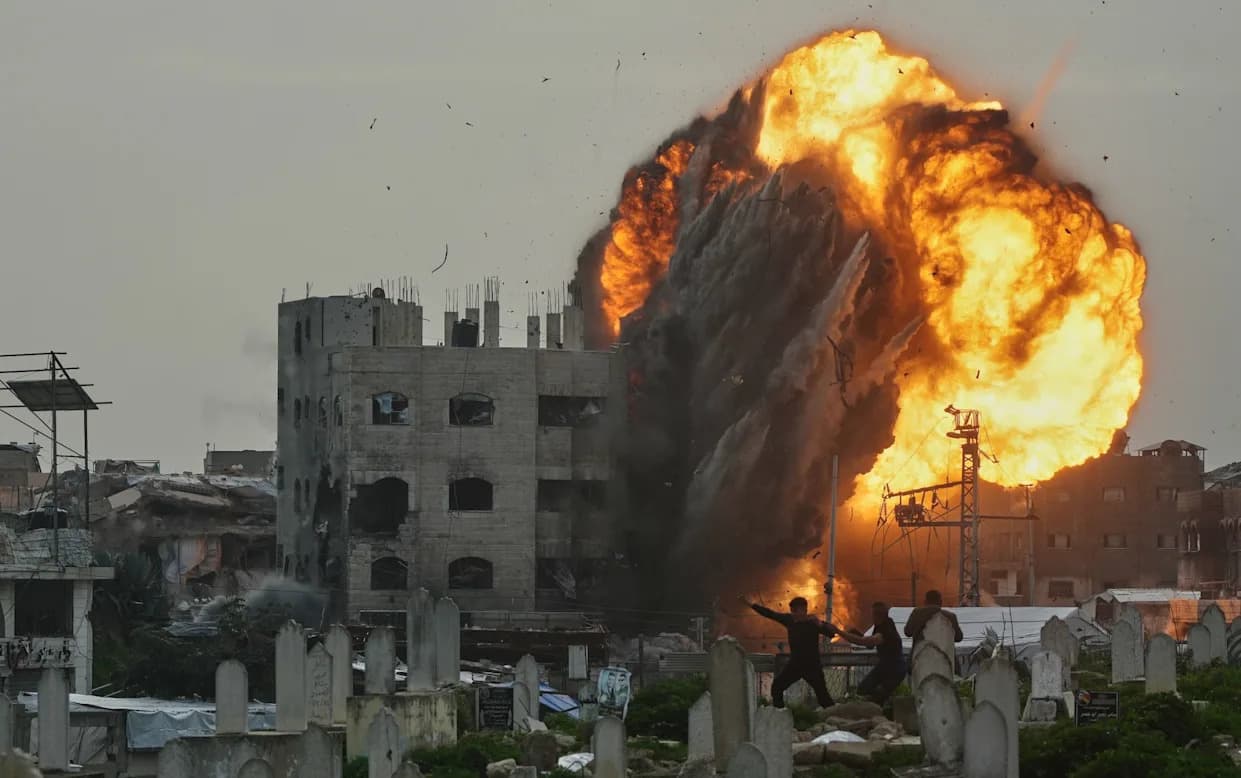
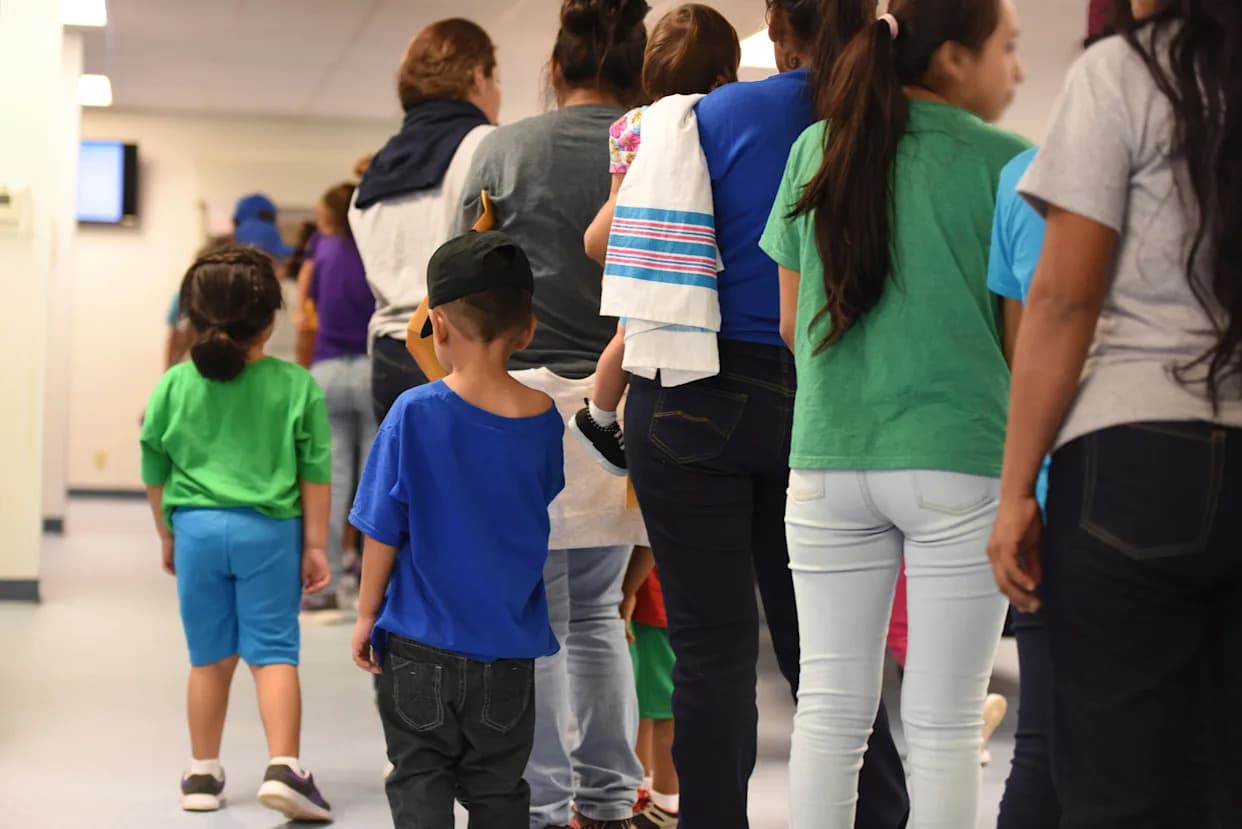
NGOs warn Gaza is still battling a full-scale humanitarian crisis (Bashar Taleb)(Bashar Taleb/AFP/AFP)
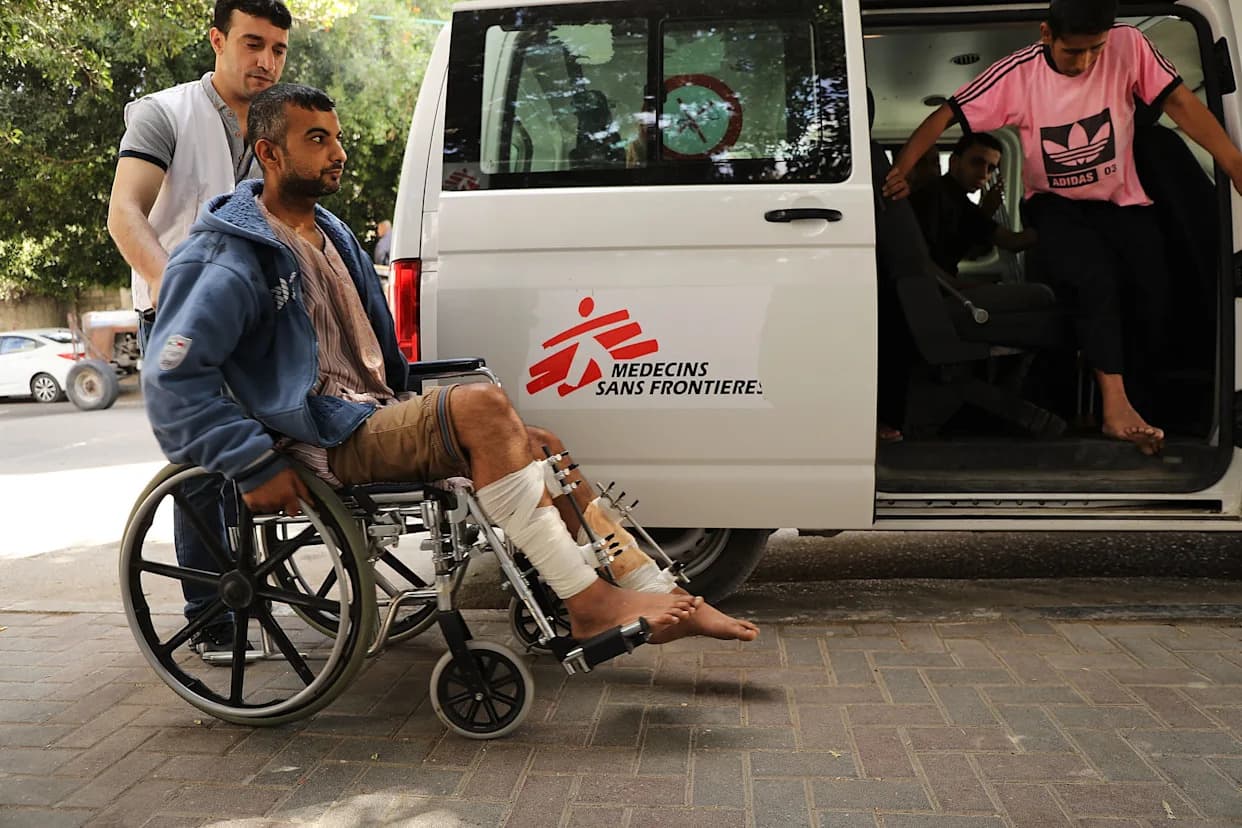
Relief organisations and UN agencies warn that Israel's newly introduced NGO registration framework — under which more than a dozen groups have already been denied recognition — could gravely undermine humanitarian operations across Gaza and the occupied West Bank.
Deadline, Rejections and Official Rationale
Authorities have set a Dec. 31 deadline for NGOs to register under the new rules. Israel says the measure is intended to prevent "hostile actors or supporters of terrorism" from operating in the Palestinian territories and to avoid impeding aid delivery.
Israel's Ministry of Diaspora Affairs and Combating Antisemitism told AFP that, as of November 2025, roughly 100 requests had been submitted and "only 14 organisation requests have been rejected ... The remainder have been approved or are currently under review." The ministry said it rejects groups involved in "terrorism, antisemitism, delegitimisation of Israel, Holocaust denial, [or] denial of the crimes of October 7."
Humanitarian Consequences
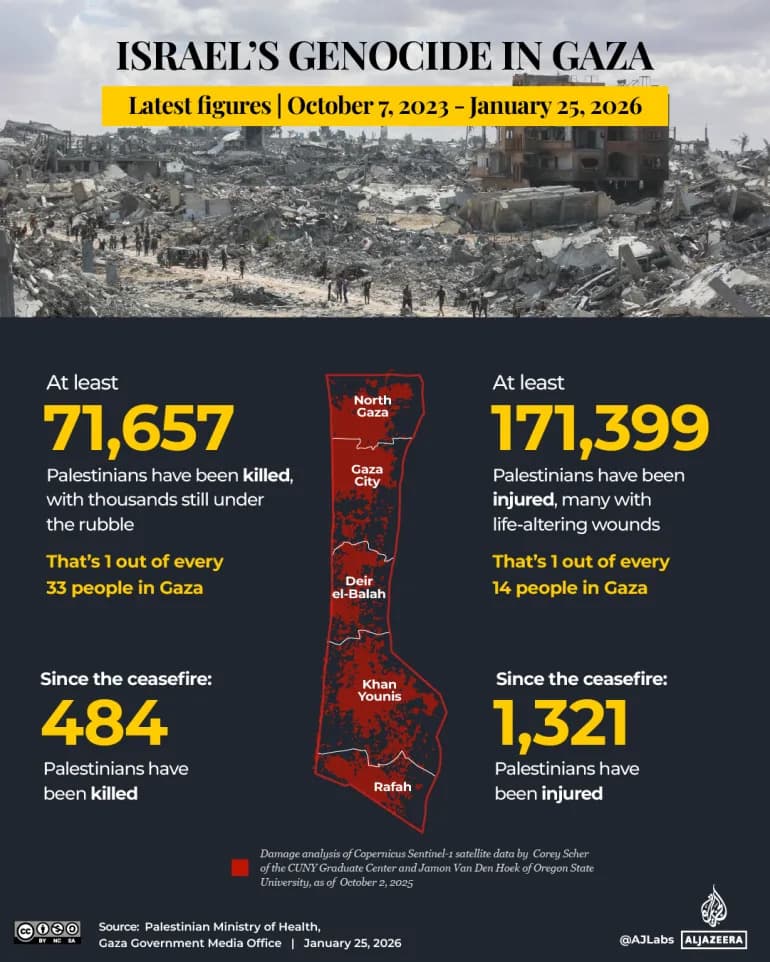
Humanitarian actors say the new rules come at a critical time: Gaza continues to face severe shortages of running water and electricity and remains in the grip of a large-scale humanitarian emergency despite a US-brokered October ceasefire following Hamas's Oct. 7, 2023 attack.
Though the October 10 ceasefire envisaged up to 600 aid trucks entering Gaza daily, NGOs and the UN report only 100–300 trucks are currently delivering humanitarian supplies — well below agreed levels.
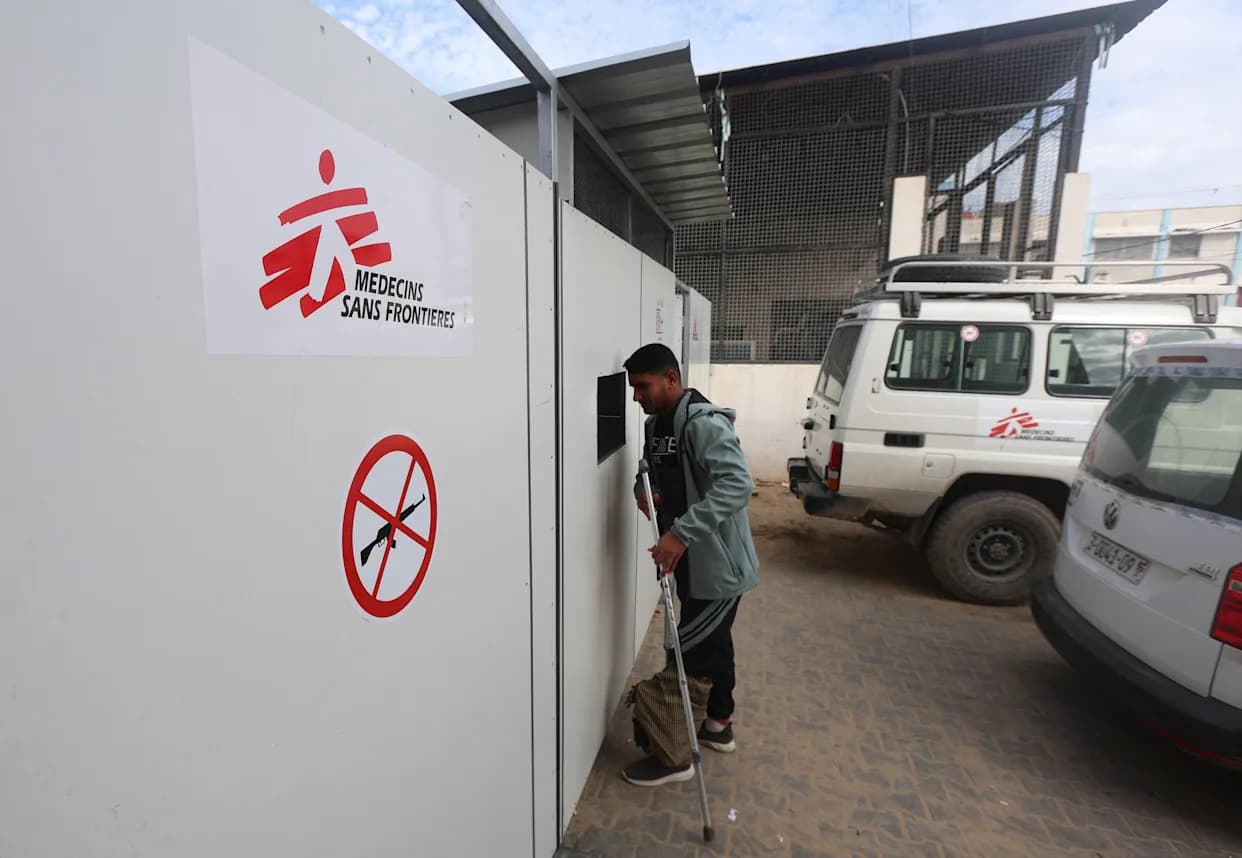
Among organisations reported to be denied registration are Save the Children — which assists roughly 120,000 children in Gaza — and the American Friends Service Committee (AFSC). Barred groups have reportedly been given 60 days to withdraw international staff from Gaza, the West Bank and Israel and will no longer be permitted to deliver aid in the territory.
Warnings From Humanitarian Bodies
The forum of UN agencies and NGOs working in the area urged Israel to "lift all impediments," including the new registration process, that "risk the collapse of the humanitarian response." The Humanitarian Country Team (HCT) warned that dozens of NGOs face deregistration and stressed that even registered organisations "represent only a fraction of the response in Gaza and are nowhere near the number required just to meet immediate and basic needs."
"The deregistration of NGOs in Gaza will have a catastrophic impact on access to essential and basic services," the HCT said.
Vague Criteria and Rights Concerns
Relief workers and rights groups have expressed alarm about vaguely worded criteria, particularly the requirement to prove that organisations do not engage in the "delegitimisation" of Israel — a term that aid workers say is open to broad interpretation. Legal advisers assisting NGOs say some applications have already been refused on those grounds.
Some NGOs said they complied with most documentation requests but refused to provide what they consider a "red line" of personal details about Palestinian staff. Others worry that reporting eyewitness testimony or criticising conditions could be deemed grounds for rejection. Rights groups including Amnesty International and Human Rights Watch have accused Israel of committing actions that amount to genocide in Gaza — a characterization Israel strongly rejects.
Capacity Concerns and Political Context
With the Dec. 31 deadline approaching, humanitarian actors warn of a dangerous transition in early 2026 if newly accredited organisations lack the experience or presence of the long-standing NGOs that may be barred. Some sources told AFP they had "never heard of" several accredited groups reportedly included in proposals such as former President Trump's plan for Gaza, raising worries that new arrivals cannot quickly replace existing actors.
A European diplomatic source said: "They might wake up on January 1 and realise there is no-one to replace them."
“Once again, bureaucratic pressure is being used for political control, with catastrophic consequences,” said one relief worker, echoing the fears of many humanitarian actors in the region.
The developing situation remains fluid. NGOs, UN agencies and international governments continue to press for clarity on the rules, exemptions for humanitarian work and assurances that aid access will not be further disrupted.
Help us improve.