UNHCR warns that the U.S. Senate's repeal of the Caesar Act sanctions could prompt more Syrian refugees to return, but cautions that returns will not be sustainable without reconstruction and jobs. UNHCR estimates 400,000 people have returned from Lebanon since Assad's ouster in December 2024, while about 1 million remain. Returnees receive a one-off $600 payment, but the World Bank says rebuilding Syria could cost around $216 billion.
US Repeal Of Caesar Act Could Spur Syrian Refugee Returns, UN Says

FILE - A worker, right, carries a bag as Syrian refugees line up at a gathering point to be checked by Lebanese security forces before they board buses to return home to Syria, in Beirut, Lebanon, Thursday, Sept. 11, 2025. (AP Photo/Hussein Malla, File)(ASSOCIATED PRESS)
The head of the U.N. refugee agency in Lebanon warned that the U.S. Senate's decision to permanently repeal sweeping Caesar Act sanctions on Syria could encourage a fresh wave of refugee returns — but warned that returns will only be sustainable if reconstruction and jobs follow.
What the Repeal Could Mean
The Senate voted to permanently remove the broad Caesar Act sanctions after a temporary executive waiver issued earlier. The decision was included in the annual U.S. defense spending bill and was expected to be signed by President Donald Trump.
Returns, But Big Obstacles Remain
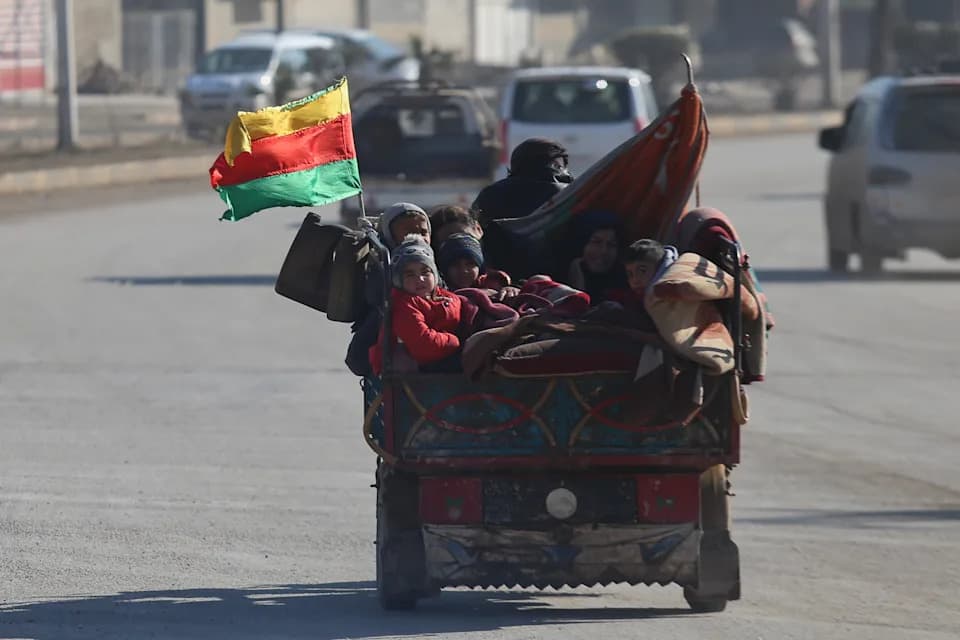
Karolina Lindholm Billing, UNHCR's representative in Lebanon, said an estimated 400,000 Syrian refugees have returned from Lebanon since the ouster of former President Bashar Assad in December 2024, while roughly 1 million remain in Lebanon. Of those, about 636,000 are officially registered with the refugee agency.
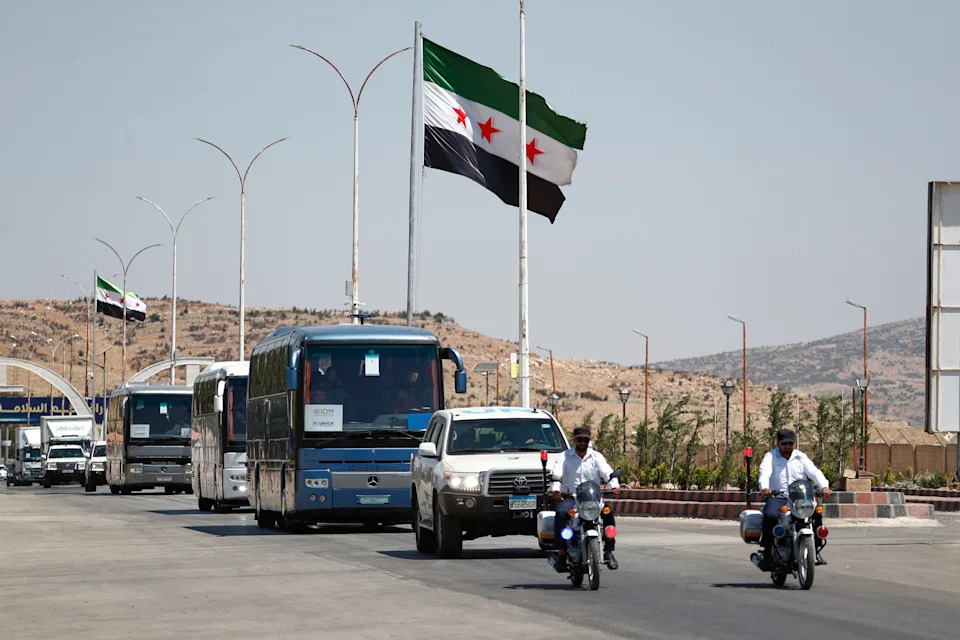
FILE - A convoy of buses carry Syrian refugees who return home from Lebanon, arrive at the Syrian border crossing point, in Jdeidet Yabous, Syria, Tuesday, July 29, 2025. (AP Photo/Omar Sanadiki, File)(ASSOCIATED PRESS)
The U.N. refugee agency reports that, overall, more than 1 million refugees and nearly 2 million internally displaced people have gone back to their homes across Syria since Assad's fall.
Limited Assistance On Arrival
Returnees from neighboring countries are eligible for a one-off cash payment of $600 per family. But many return to destroyed houses and areas with few economic opportunities, so the payment goes only so far. Billing cautioned that without jobs and substantial reconstruction, many returnees may leave again.
"What is needed now is big money in terms of reconstruction and private sector investments in Syria that will create jobs," Billing said. She added that lifting sanctions could "make a big difference" by unlocking investment.
Scale Of The Task
The World Bank estimates reconstruction of Syria's damaged housing and infrastructure will cost about $216 billion — a sum that underscores the gap between needs and the modest international aid delivered so far.
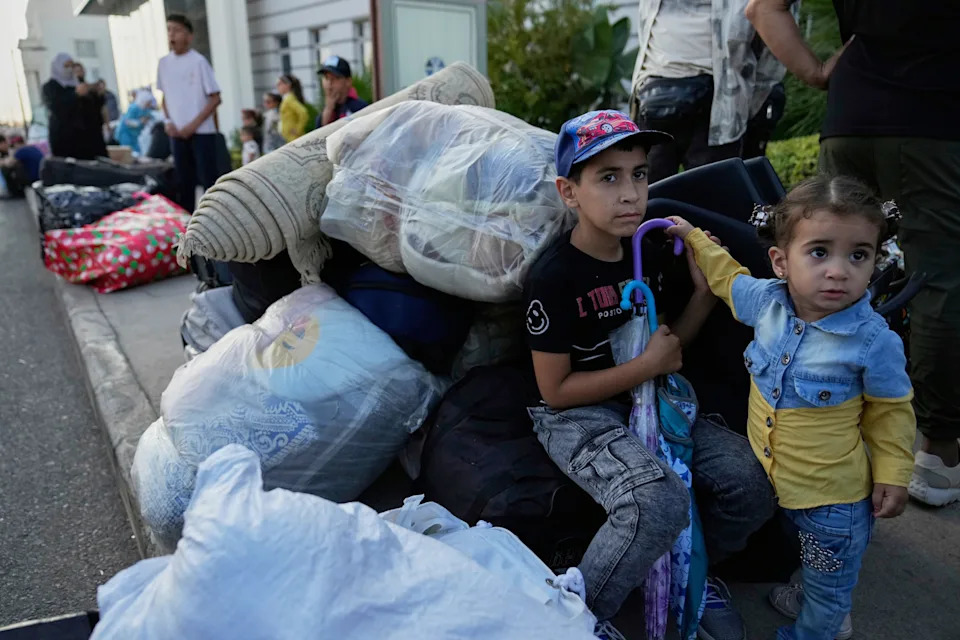
FILE - Syrian children sit next to their belongings at a gathering point, as they wait to be checked by Lebanese security forces before boarding buses to return home to Syria, in Beirut, Lebanon, Thursday, Sept. 11, 2025. (AP Photo/Hussein Malla, File)(ASSOCIATED PRESS)
New Displacement And Protection Concerns
Since Assad's ouster, Islamist-led insurgents have driven some people from their homes, and many members of religious minorities have fled fearing reprisals. Hundreds of Alawite civilians were killed during waves of sectarian violence on Syria's coast in March. Although the security situation has eased in some areas, Alawite communities continue to report sporadic attacks, including kidnappings and sexual violence against women.
Billing said about 112,000 Syrians have fled to Lebanon since Assad's fall. Many of these newcomers have received little assistance as international aid has shrunk and typically lack legal documentation in Lebanon, making movement and access to services difficult.
Outlook
UNHCR emphasizes that the removal of sanctions could encourage private-sector investment and reconstruction that create jobs and make returns sustainable. However, large-scale funding, protection guarantees and reconstruction plans will be needed to ensure returns are safe, voluntary and lasting.
Help us improve.