The U.N. delivered aid to besieged Kobani for the first time since recent fighting between Syrian government forces and the SDF, sending 24 trucks including two fuel tankers to resupply the Karakoi water station. A ceasefire declared in mid-January and extended for 15 days appears largely to be holding, allowing some displaced people to return. The pause also facilitated plans to transfer about 7,000 of roughly 9,000 accused Islamic State detainees from Syria to Iraq for investigation and trial.
UN Convoy Reaches Besieged Kobani as Fragile Ceasefire Largely Holds
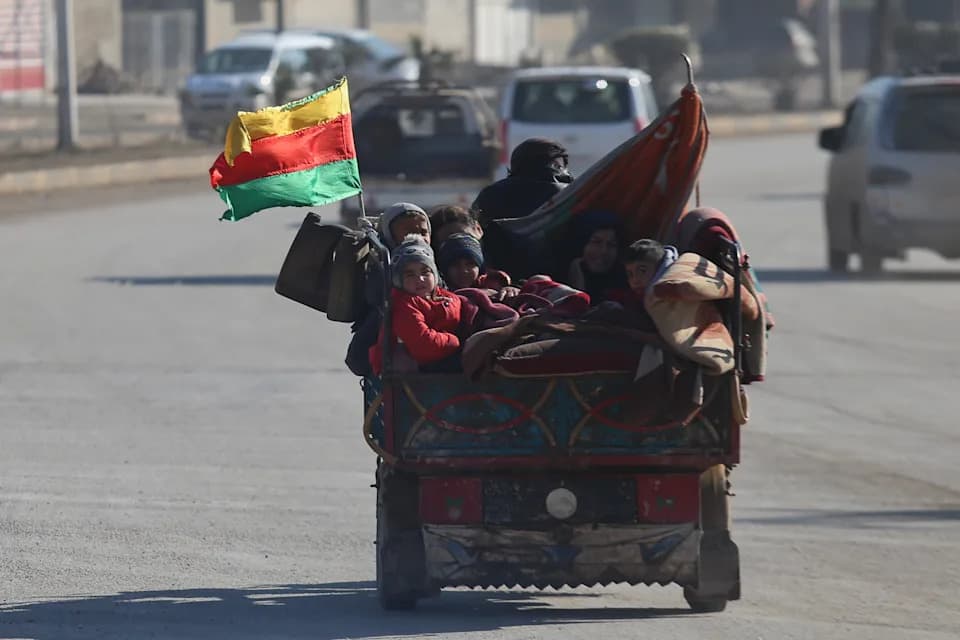
A family rides on a cart along a street in Hassakeh, northeastern Syria, Sunday, Jan. 25, 2026, as residents began returning to the city following the announcement of a 15-day ceasefire between the Syrian government and the Kurdish-led Syrian Democratic Forces. (AP Photo/Baderkhan Ahmad)(ASSOCIATED PRESS)
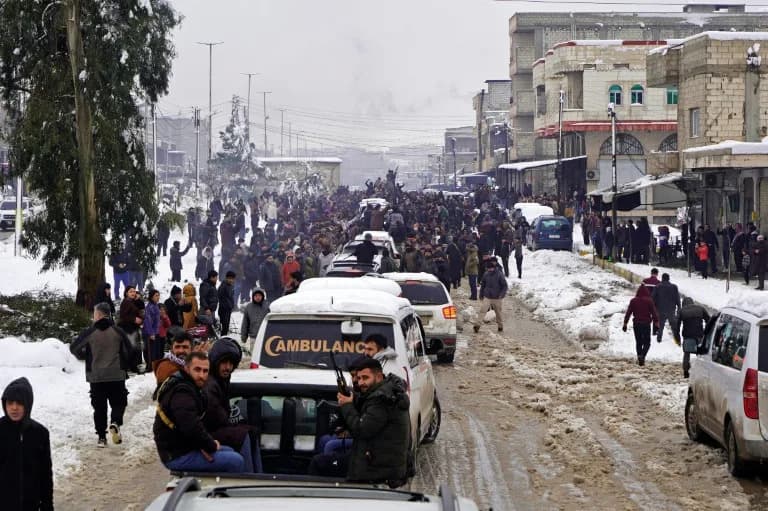
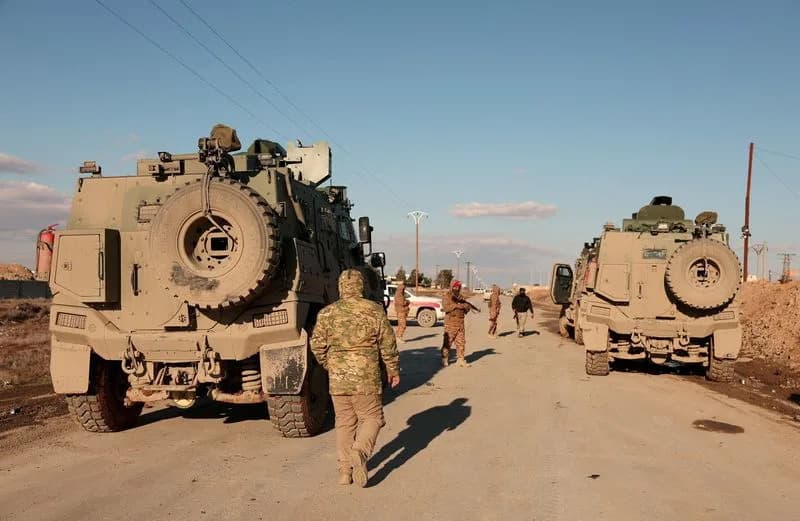
A United Nations aid convoy on Monday delivered vital humanitarian supplies to the besieged enclave of Kobani in northeast Syria, marking the first such delivery since fighting erupted earlier this month between Syrian government forces and the Kurdish-led Syrian Democratic Forces (SDF).
The 24-truck convoy entered Kobani the day before, unloaded its cargo and exited the enclave, the U.N. Office for the Coordination of Humanitarian Affairs said. The shipment included food, nutrition and medical supplies, hygiene kits, winter items, kitchen sets and child-focused supplies. Two fuel tankers were part of the convoy to resupply the Karakoi water station and help restore water service to Kobani and nearby villages.
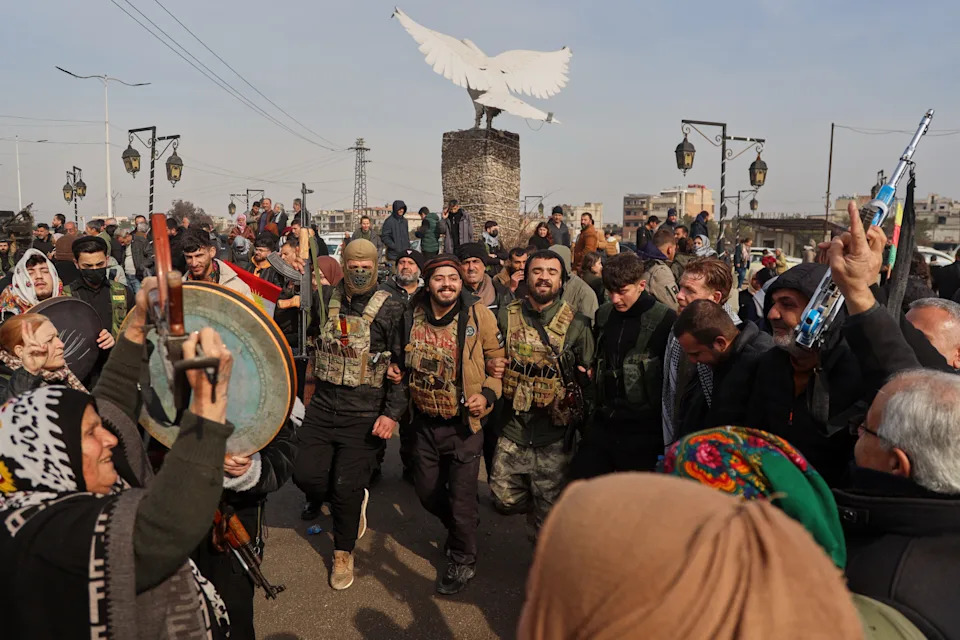
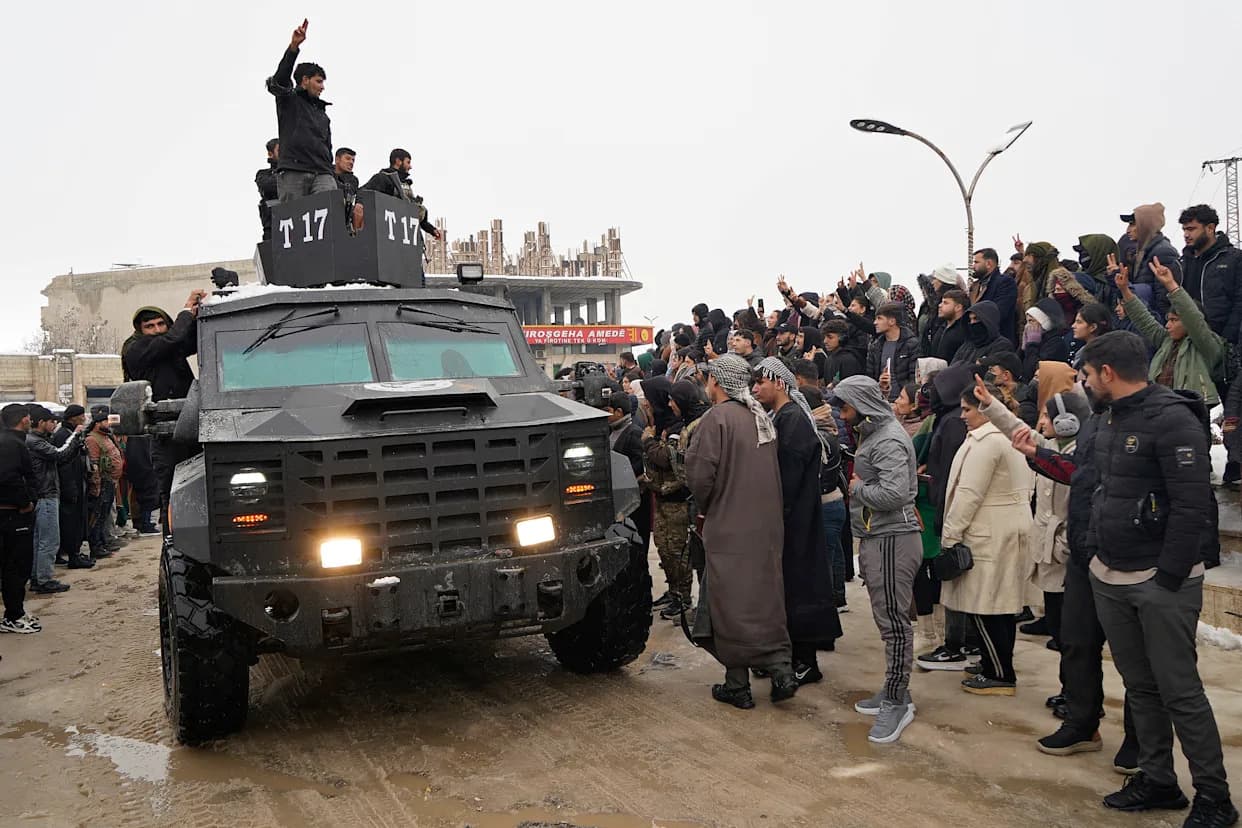
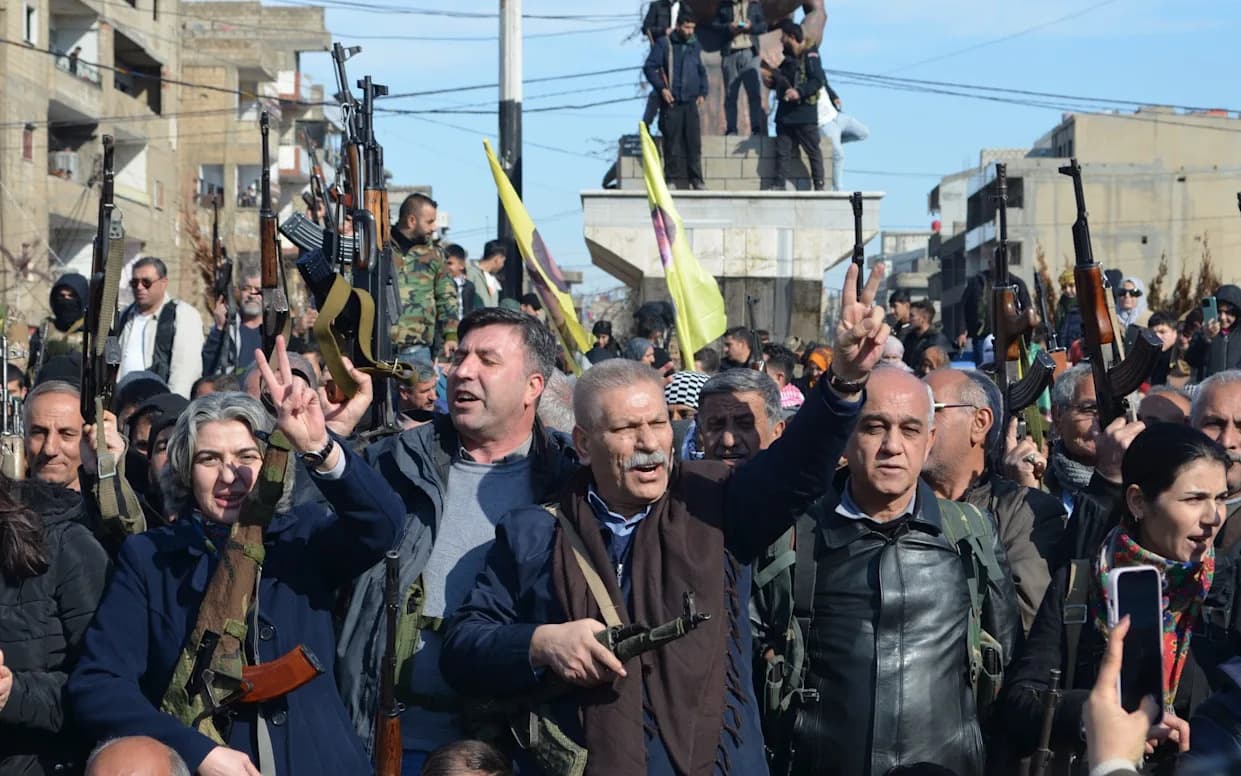
Kurdish fighters with the Syrian Democratic Forces (SDF) are cheered by local residents ahead of the end of a four-day truce with the Syrian government in Hassakeh, northeastern Syria, Saturday, Jan. 24, 2026. (AP Photo/Baderkhan Ahmad)(ASSOCIATED PRESS)
Ceasefire Largely Holding, But Tensions Remain
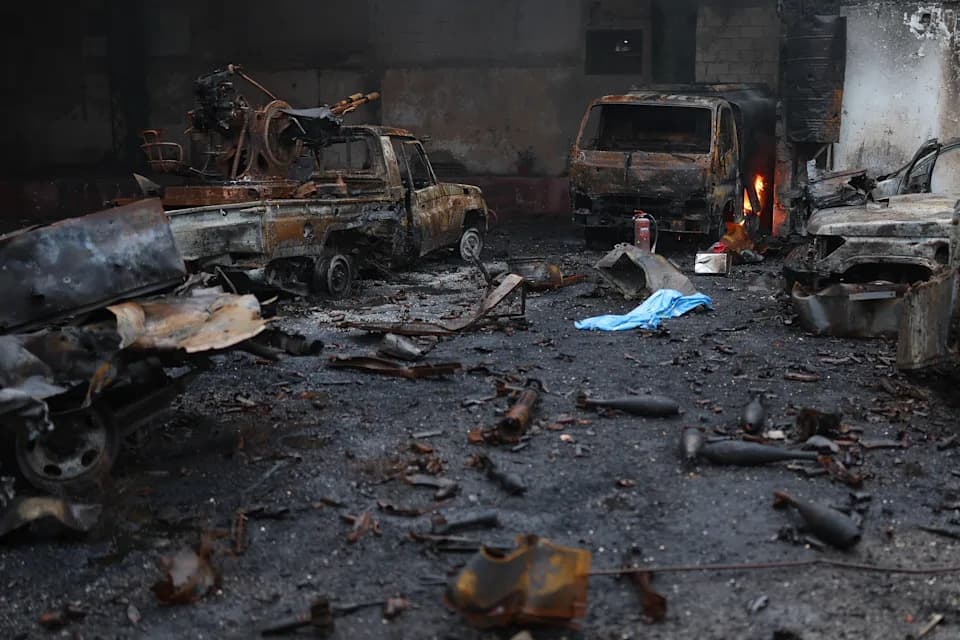
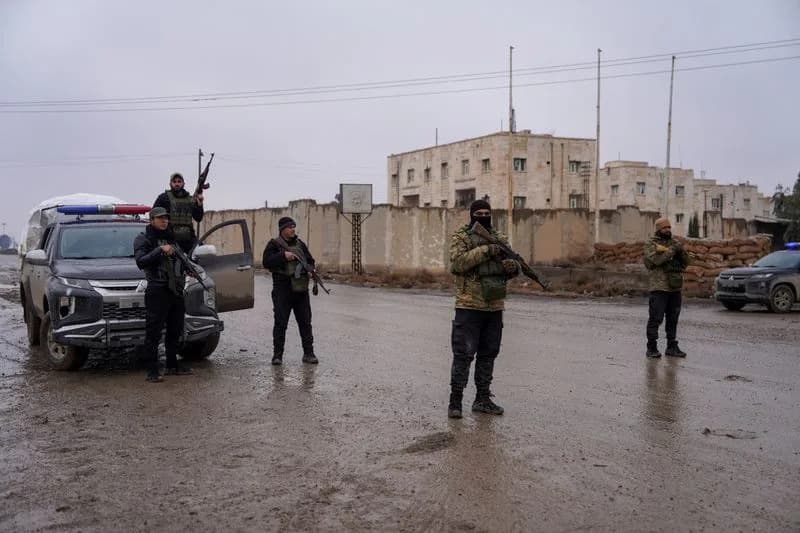
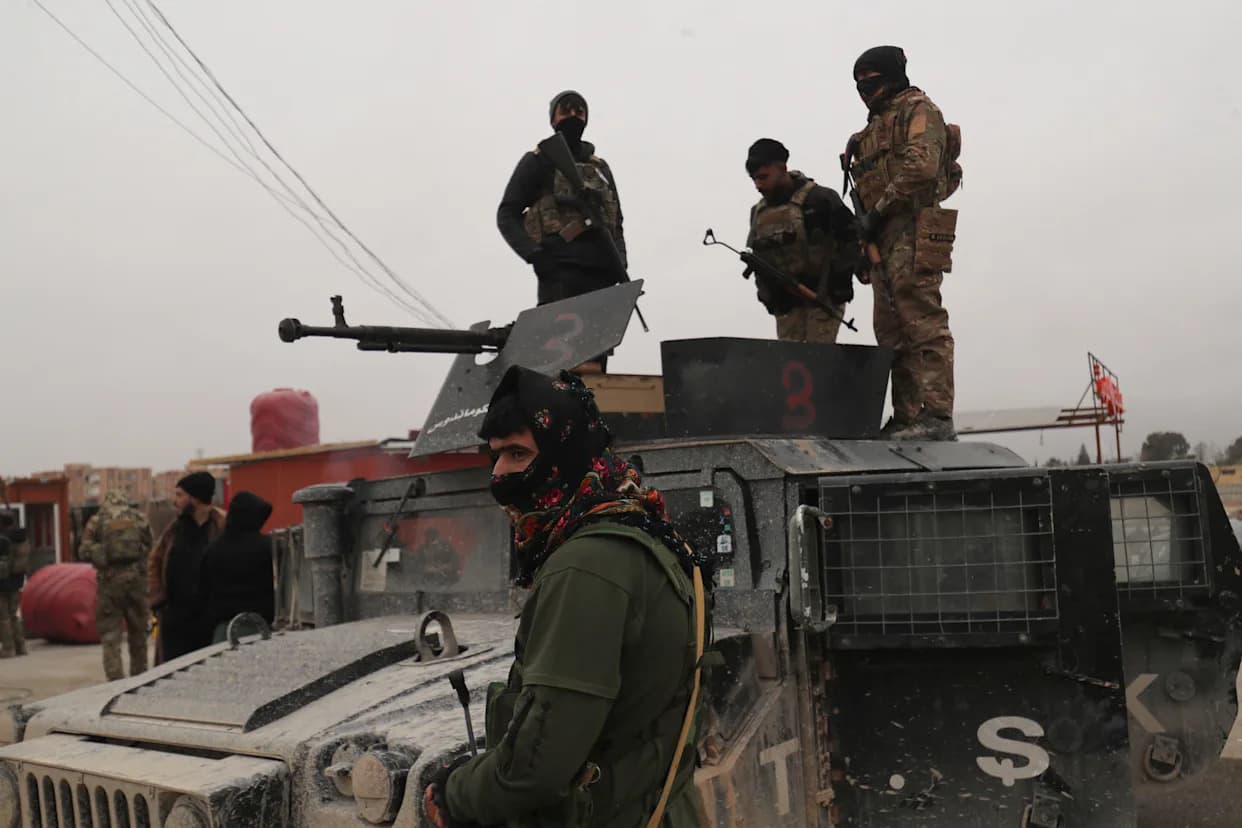
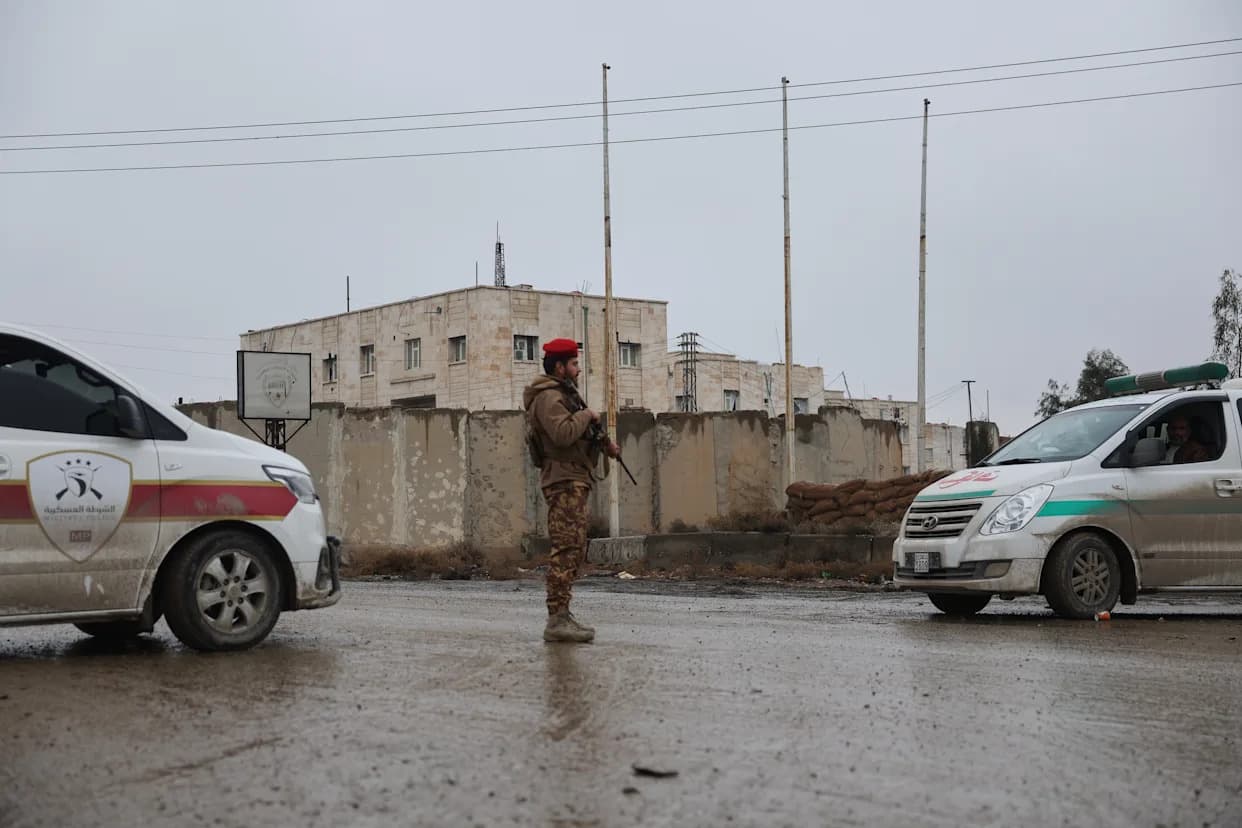
A ceasefire announced in mid-January and extended by 15 days over the weekend appears to be mostly holding across much of northeast Syria. Sporadic skirmishes have been reported, and both sides continue to accuse each other of violations. Nevertheless, the relative calm has allowed humanitarian access in some areas and enabled a limited return of displaced families.
Humanitarian Impact
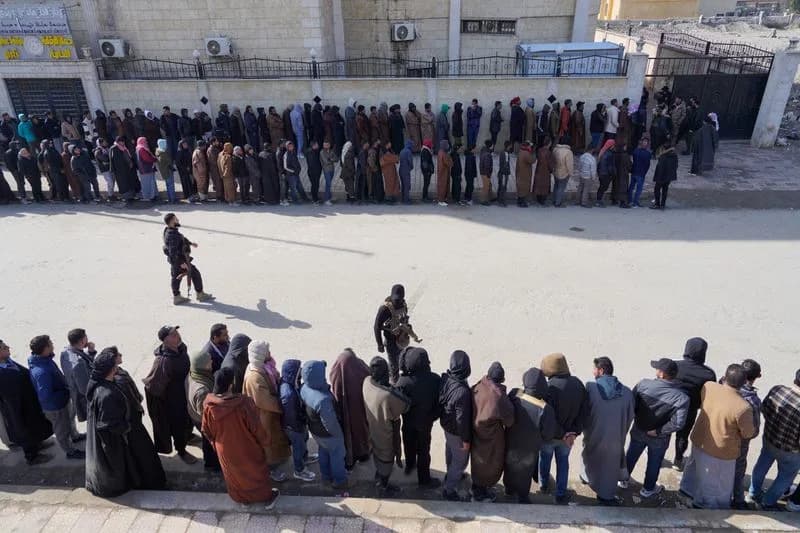
Residents of Kobani — now almost entirely surrounded by government-held territory — have reported cuts to electricity and water and shortages of essential goods such as bread. The delivery aims to ease these shortages and to support basic services while access remains possible.
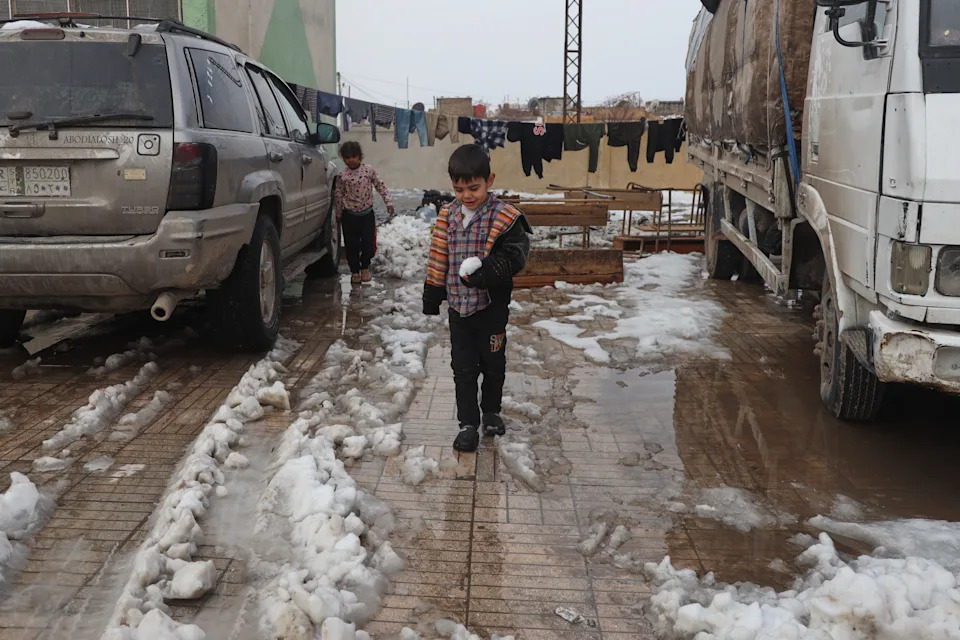
A displaced boy plays with snow at a school used as a shelter for families displaced by clashes between Syrian government forces and the Kurdish-led Syrian Democratic Forces in Qamishli, northeastern Syria, Saturday, Jan. 24, 2026. (AP Photo/Baderkhan Ahmad)(ASSOCIATED PRESS)
U.N. spokesman Stephane Dujarric: "The convoy delivered emergency food, health and hygiene supplies along with fuel to help restore the water supply to Kobani and surrounding communities."
Displacement and Prison Transfers
Fighting in northeast Syria has displaced more than 173,000 people, according to the International Organization for Migration. With the ceasefire holding in many areas, some displaced people have begun to return home. The truce was also extended in part to allow U.S. forces time to transfer accused Islamic State group detainees from prisons in northeastern Syria to detention centers in Iraq.
Iraqi officials say roughly 7,000 of about 9,000 accused IS detainees held in Syria are scheduled to be moved to Iraq amid concerns they could escape if hostilities resume. Once transferred, those accused of terrorism will be investigated by Iraqi security forces and prosecuted in domestic courts.
Political Context
Last March, Syria’s interim government and the SDF signed an agreement for the SDF to hand over territory and for its fighters to eventually integrate into government forces. Talks on the integration stalled in early January, triggering a new round of fighting. A revised accord signed on Jan. 18 included provisions for a limited ceasefire and stated that SDF members would be integrated into the army and police on an individual basis.
While the renewed ceasefire and the humanitarian delivery are positive developments for civilians, the situation remains fragile and dependent on continued diplomatic efforts, security guarantees and reliable humanitarian access.
Help us improve.