Scientists are tracking 15 vulnerable sites where slow processes could trigger abrupt, large-scale disasters — from Thwaites Glacier potentially raising sea levels by nearly two feet to Amazon dieback and accelerating methane release from thawing permafrost. Other high-risk concerns include a possible AMOC slowdown, collapsing submarine slopes that could cause megatsunamis, and densely populated volcanic hazards such as Vesuvius and Yellowstone. Many of these tipping points would cause severe regional damage and produce cascading global consequences.
15 Global Tipping Points Scientists Quietly Fear Could Collapse — And What It Would Mean

Shutterstock
The news cycle focuses on immediate crises — wildfires, heat waves, wars — but scientists are also watching slow-moving, high-risk failures around the planet. These are documented ecological, geological and climatic vulnerabilities approaching critical thresholds that could trigger cascading regional and global consequences.
Below are 15 sites researchers monitor most closely, why each is precarious, and the potential impacts if a tipping point is reached.
Shutterstock
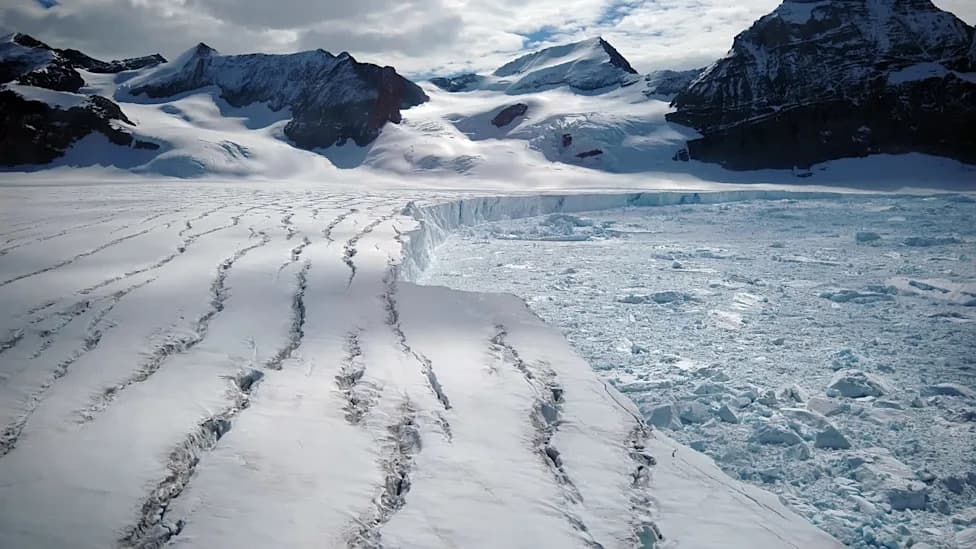
1. Thwaites Glacier (West Antarctica)
Why it matters: Nicknamed the "Doomsday Glacier," Thwaites is melting faster than earlier forecasts because warm ocean currents are eroding the grounding line where ice meets the seabed. Loss of Thwaites alone could raise global sea level by nearly two feet and further destabilize the West Antarctic Ice Sheet.
Recent findings: A 2024 study in Nature Geoscience found the supporting ice shelf is heavily fractured and warming from below, increasing the risk of a rapid, nonlinear collapse.
Shutterstock
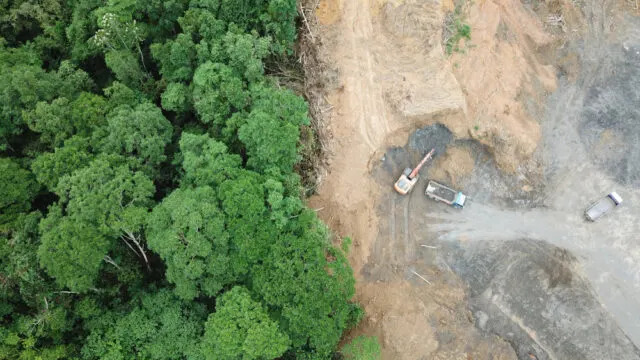
2. Amazon Basin (Western and Southern Regions)
Why it matters: Drought, deforestation and climate change are pushing parts of the Amazon toward "dieback," where rainforest converts to dry savannah, releasing huge carbon stores and altering weather patterns worldwide.
Evidence: Researchers at the University of Brasília report roughly 25% of the basin is showing early signs of transition: increased tree mortality and canopy thinning.
Shutterstock
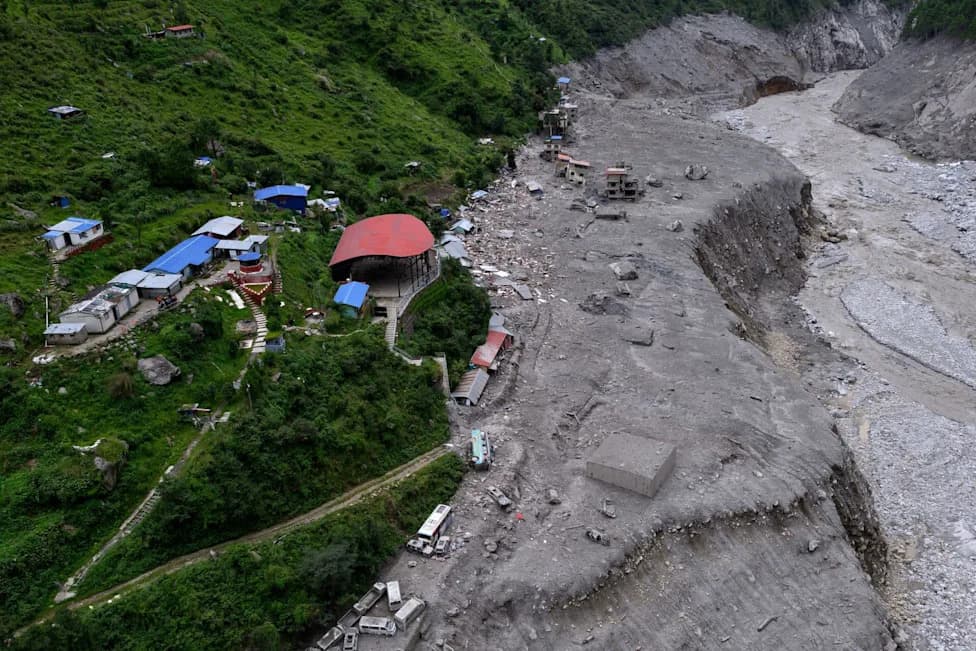
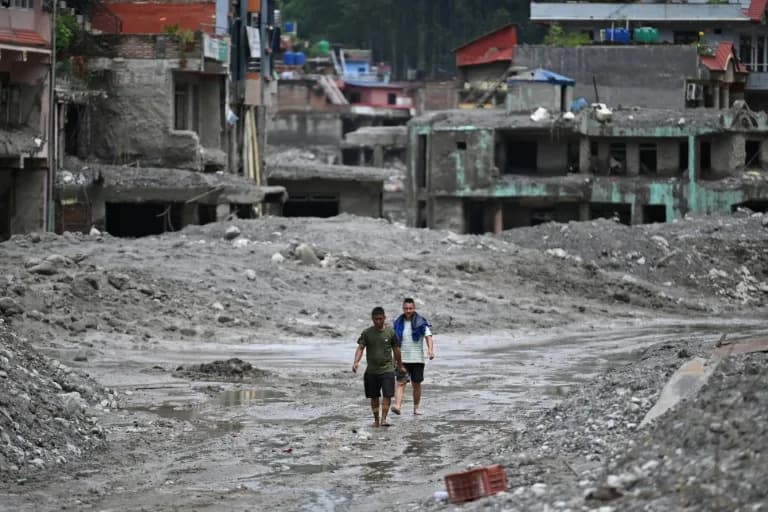
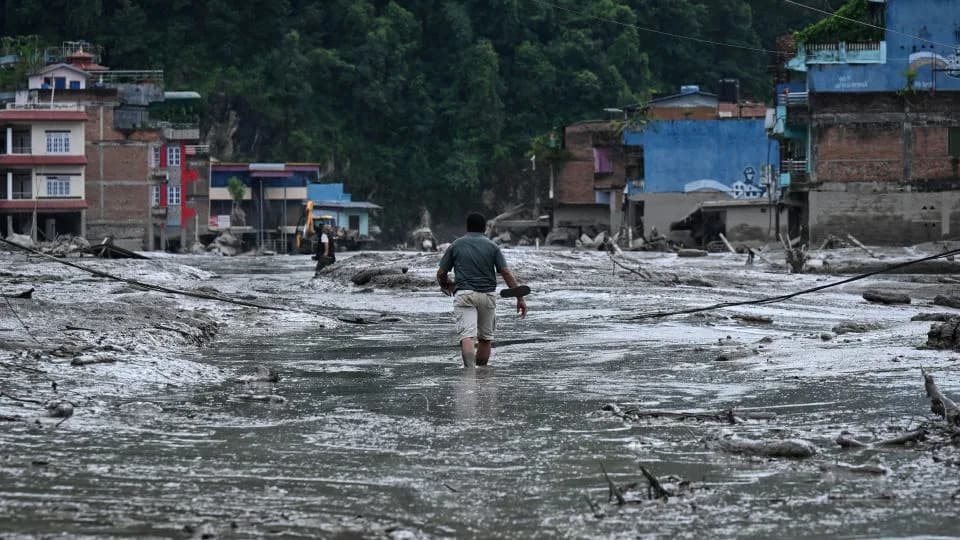
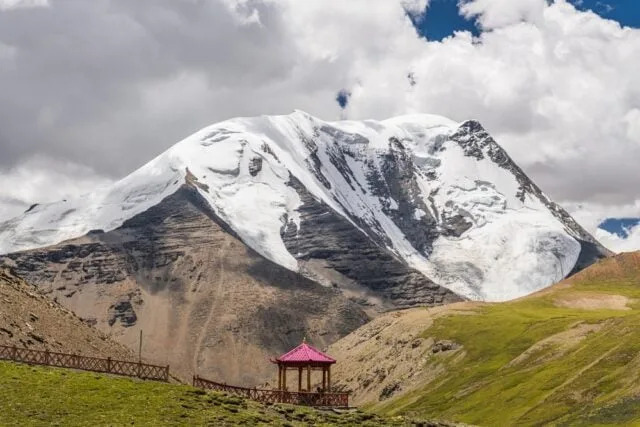
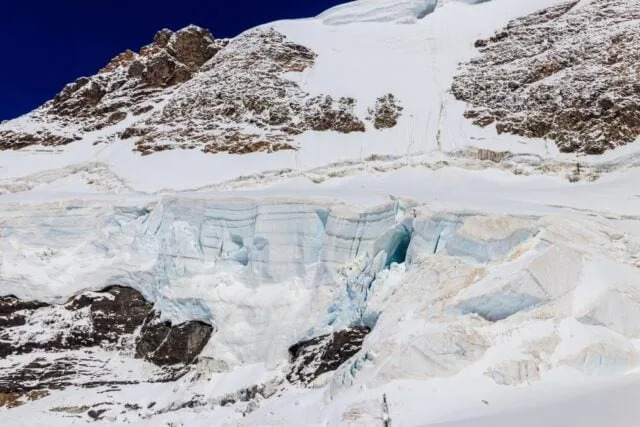
3. Himalayan Moraine-Dammed Lakes
Why it matters: Rapid glacier melt is forming large lakes held by unstable moraine walls. Failure can cause Glacial Lake Outburst Floods (GLOFs) that devastate downstream communities in Nepal, Bhutan and India.
Risk: Growing water volumes and fragile dam materials make many lakes potential near-term hazards.
Shutterstock
4. Northern Hemisphere Permafrost (Siberia and Alaska)
Why it matters: Permafrost stores massive amounts of carbon and methane. Thawing releases greenhouse gases that amplify warming in a reinforcing feedback loop.
Research: Arctic studies in 2023 indicate methane release rates are increasing faster than earlier models predicted, raising concerns about accelerated warming.
Shutterstock
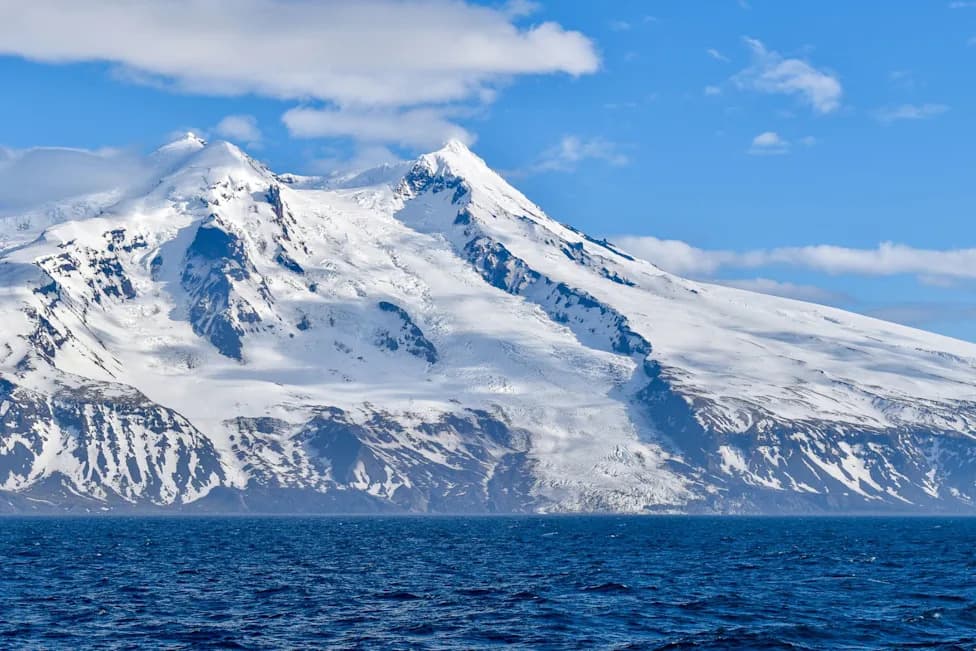
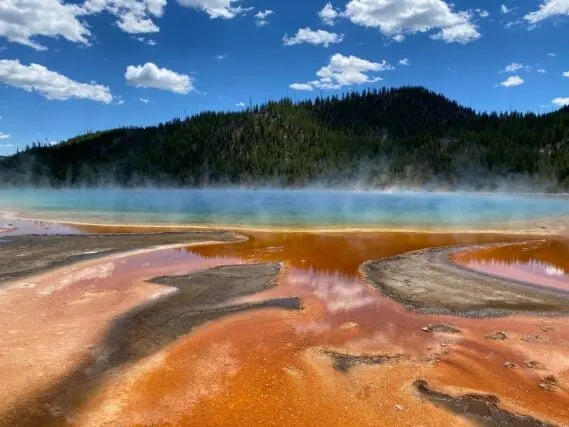
5. Yellowstone Supervolcano (Wyoming, USA)
Why it matters: Yellowstone is a very large volcanic system. While a super-eruption is improbable on human timescales, its potential impacts — widespread ash, crop failures and a volcanic winter — justify continuous monitoring.
Status: Ongoing geophysical studies refine understanding of the magma system but do not indicate an imminent super-eruption.
Shutterstock
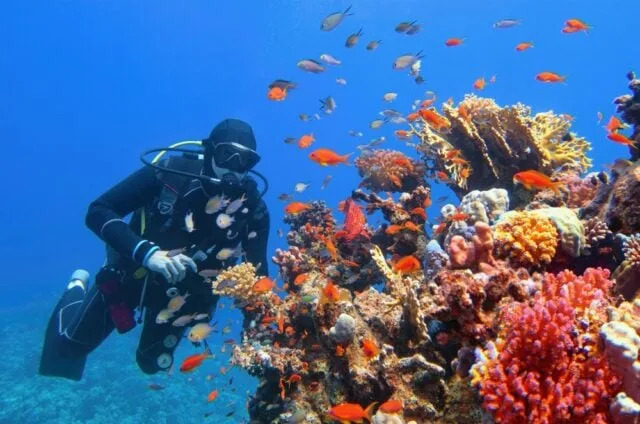
6. Global Coral Reefs (Including the Great Barrier Reef)
Why it matters: Reefs support about a quarter of marine biodiversity, protect coastlines and underpin fisheries. Repeated mass bleaching from warming waters and acidification is causing widespread mortality and undermining reef recovery.
Outlook: Increasing bleaching frequency and poor recovery suggest many reef systems are approaching functional collapse.
Shutterstock
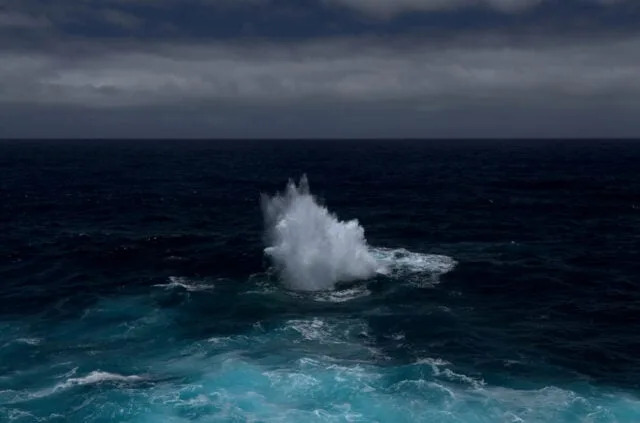
7. Atlantic Meridional Overturning Circulation (AMOC)
Why it matters: The AMOC (including the Gulf Stream) redistributes heat in the Atlantic and helps regulate Northern Hemisphere climate. Freshwater input from Greenland melt could slow or disrupt the circulation.
Consequences: A substantial slowdown could reconfigure regional climates, bringing rapid cooling to parts of Europe, changes in storm patterns and knock-on global impacts.
Shutterstock
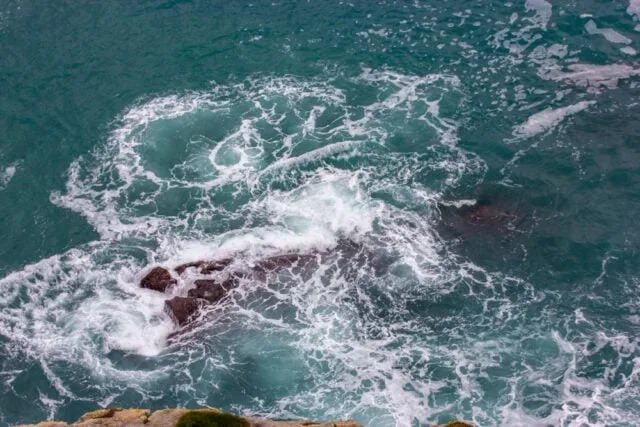
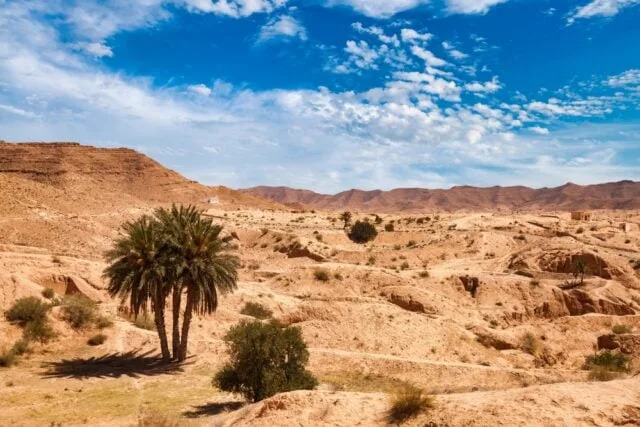
8. Submarine Slopes (Volcanic Islands Such As the Canary Islands)
Why it matters: Large masses of rock on underwater slopes can creep or fail catastrophically. A sudden collapse could generate a megatsunami with destructive waves across ocean basins.
Monitoring: Geologists use sonar and seafloor mapping to detect subtle movements and assess probabilities.
Shutterstock
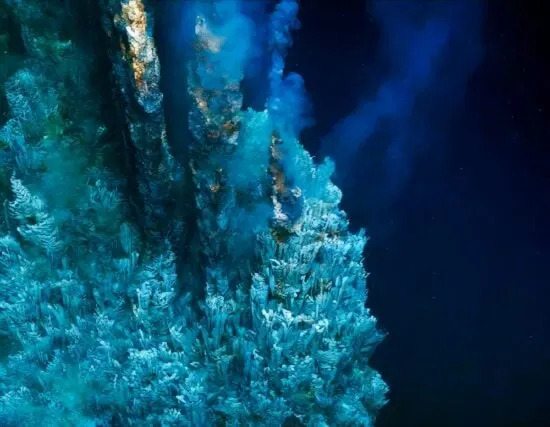
9. Sahel Region (West Africa)
Why it matters: Climate shifts, overuse of land and drought are accelerating desertification across the Sahel, undermining agriculture, driving migration and intensifying resource conflicts.
Impact: A large-scale ecological collapse would displace tens of millions and deepen regional instability.
Shutterstock
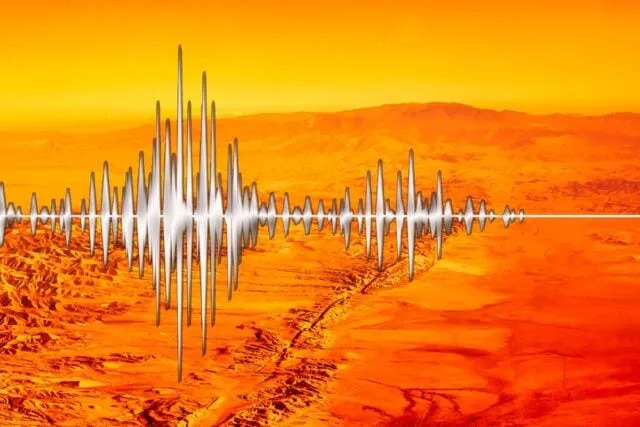
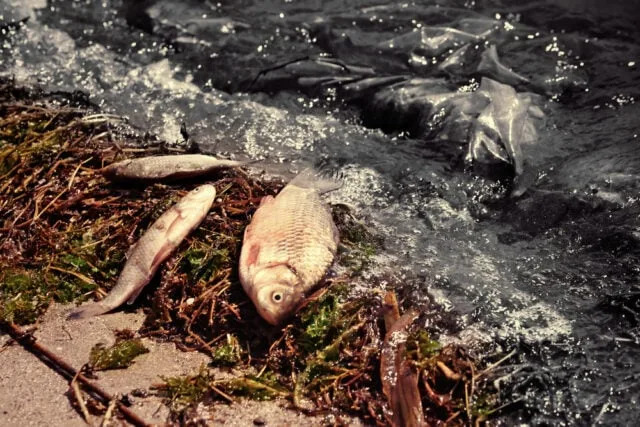
10. East Siberian Arctic Shelf (Subsea Methane Hydrates)
Why it matters: The shallow shelf stores large quantities of methane locked in hydrates. Warming waters can destabilize these deposits and produce methane releases that could cause a short-term spike in global warming.
Uncertainty: The timing and magnitude of potential releases are highly uncertain, making the area a major climate wild card.
Shutterstock
11. San Andreas Fault (California, USA)
Why it matters: The fault accumulates tectonic strain and the southern segment is considered overdue for a major earthquake (magnitude 7.0+). Dense population and critical infrastructure magnify consequences.
Preparedness: Ongoing monitoring and resilience planning aim to reduce damage and casualties when the next large quake occurs.

iStock
12. Athabasca Oil Sands Tailings Ponds (Alberta, Canada)
Why it matters: Large tailings ponds hold contaminated water and fine waste behind earthen dams. Structural failure, whether from extreme weather, subsidence or human error, could release toxic material into river systems draining to the Arctic.
Concern: The volume and chemical toxicity of the waste make containment and long-term remediation a persistent environmental challenge.
iStock
13. Venice, Italy
Why it matters: Built on soft sediments and wooden piles, Venice is vulnerable to rising seas and increased flooding. The MOSE barriers reduce high tides, but ongoing subsidence, saltwater intrusion and sea-level rise threaten the city’s long-term viability.
Outlook: Venice is likely to face progressively more frequent and severe inundation; preserving it will require substantial and sustained intervention.
Shutterstock
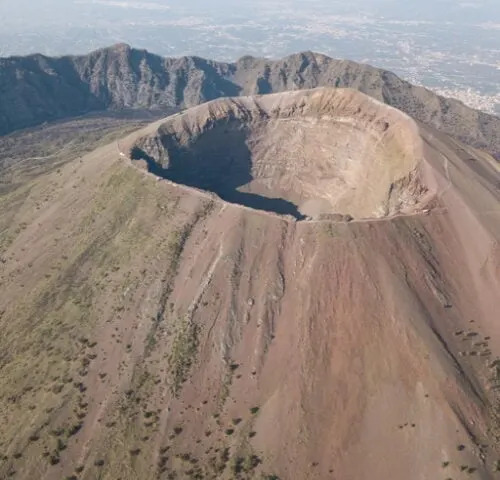
14. Mount Vesuvius (Near Naples, Italy)
Why it matters: Vesuvius is an active, closely monitored volcano adjacent to a densely populated region. A major eruption would put millions at immediate risk.
Preparedness: Continuous seismic and geodetic surveillance and emergency planning aim to detect precursors and protect vulnerable populations.
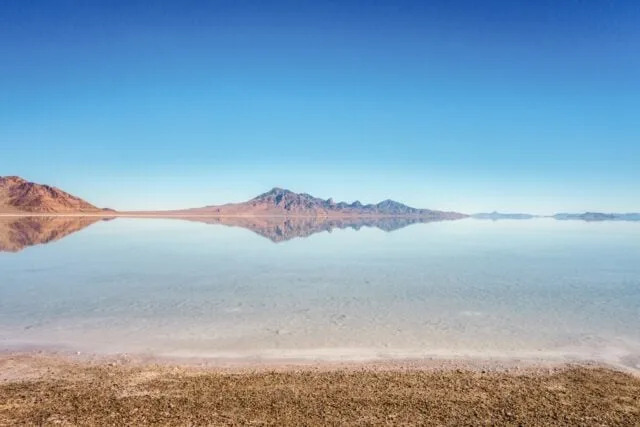
15. Great Salt Lake (Utah, USA)
Why it matters: The lake is shrinking from drought and water diversion, exposing lakebed sediments that contain arsenic and other toxins. Windblown dust from the exposed flats can create air-quality and public-health hazards.
Risk: Continued decline could produce persistent toxic dust hazards and severe ecological and economic impacts across the region.
Takeaway: These 15 sites represent diverse but interconnected vulnerabilities. Some threaten immediate local harm; others pose risks with far-reaching climatic or societal consequences. Vigilant monitoring, targeted mitigation and global emissions reductions are critical to managing these risks.
Help us improve.