President Trump plans to intensify domestic campaigning to help Republican candidates ahead of the 2026 midterms, beginning with a high-energy Pennsylvania rally that also produced controversial remarks on immigration and affordability. GOP strategists say Trump can mobilize low-propensity voters, but recent AP-NORC polls show weak approval on the economy and other issues. As the White House signals more domestic appearances, Republicans acknowledge the midterms will likely hinge on pocketbook concerns despite Trump’s turnout power.
Trump’s Increased Travel: High-Risk, High-Reward Strategy for GOP Ahead of 2026 Midterms
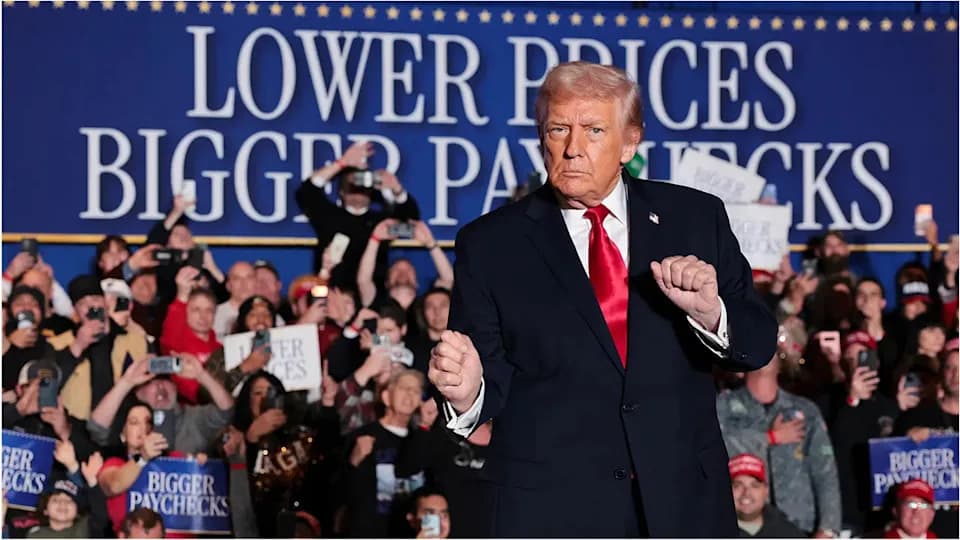
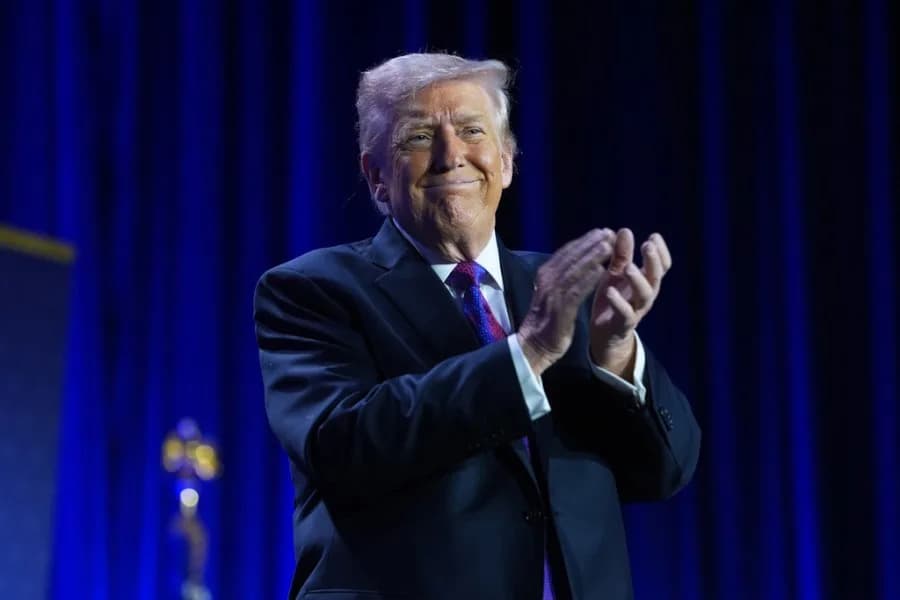
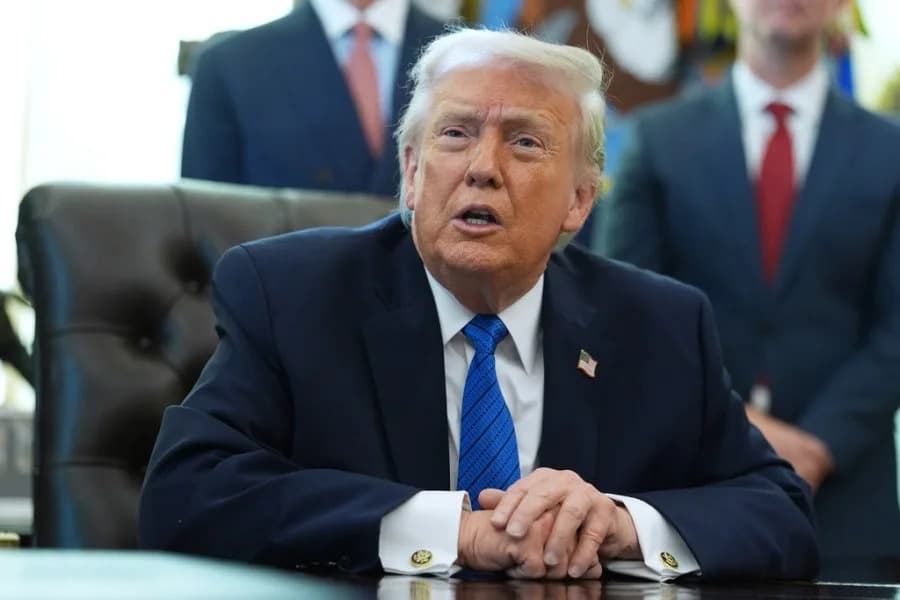
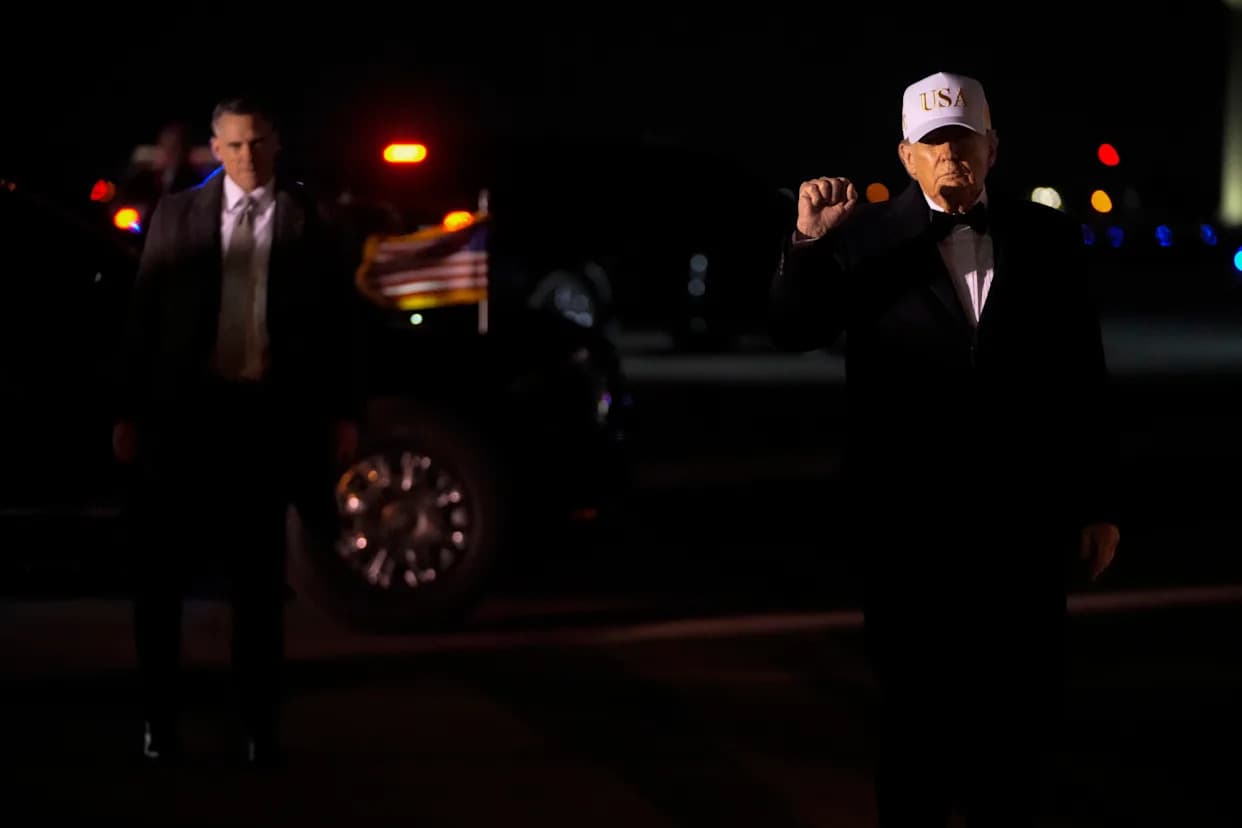
President Donald Trump is preparing to step up domestic campaign appearances to bolster Republican turnout ahead of the 2026 midterm elections, a strategy the White House and allied operatives say will help mobilize low-propensity voters.
Pennsylvania Stop Highlights the Trade-Offs
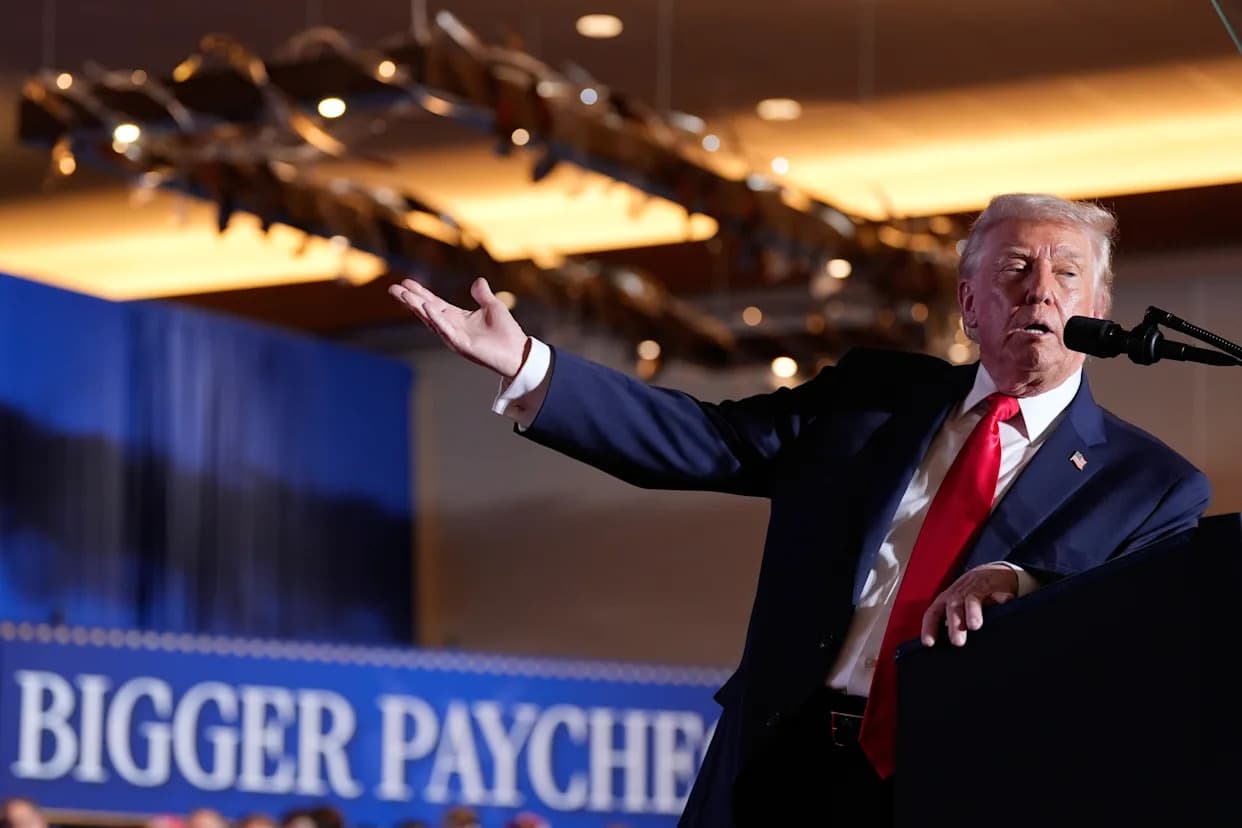
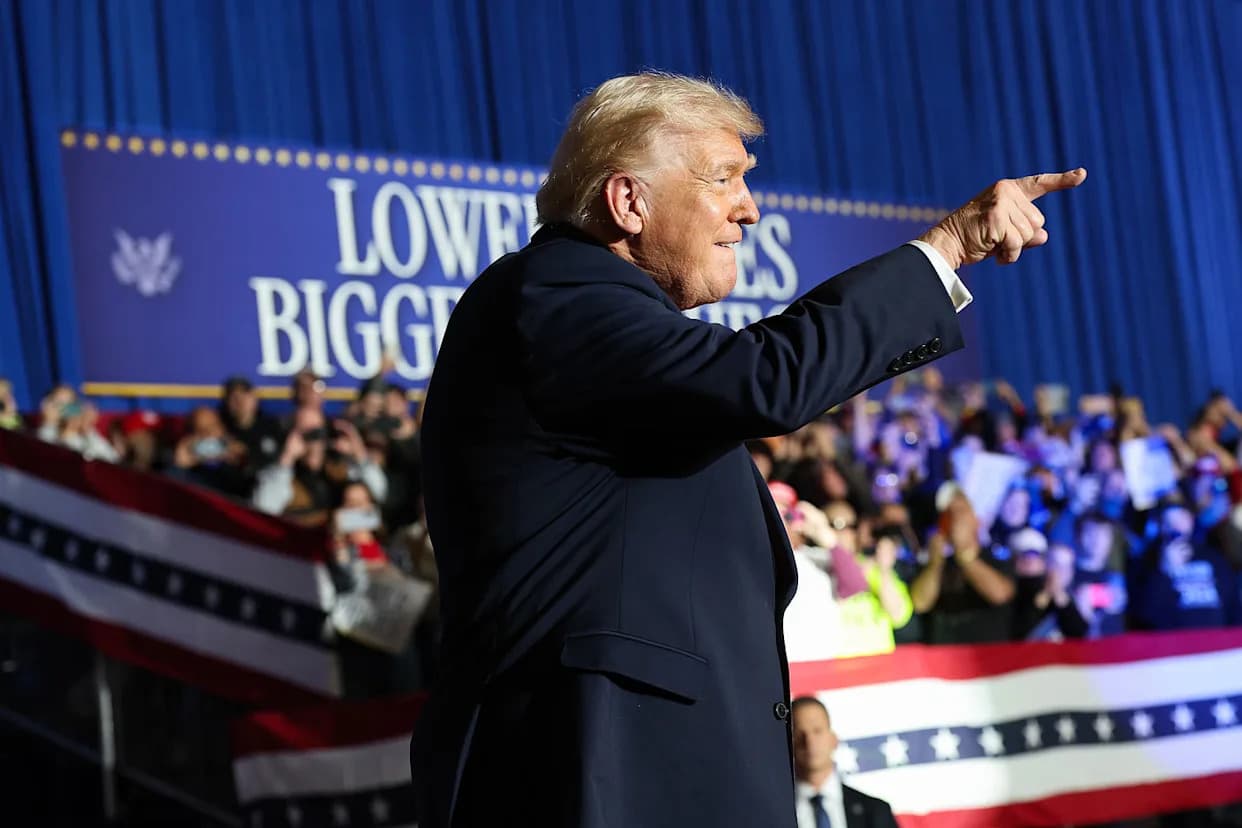
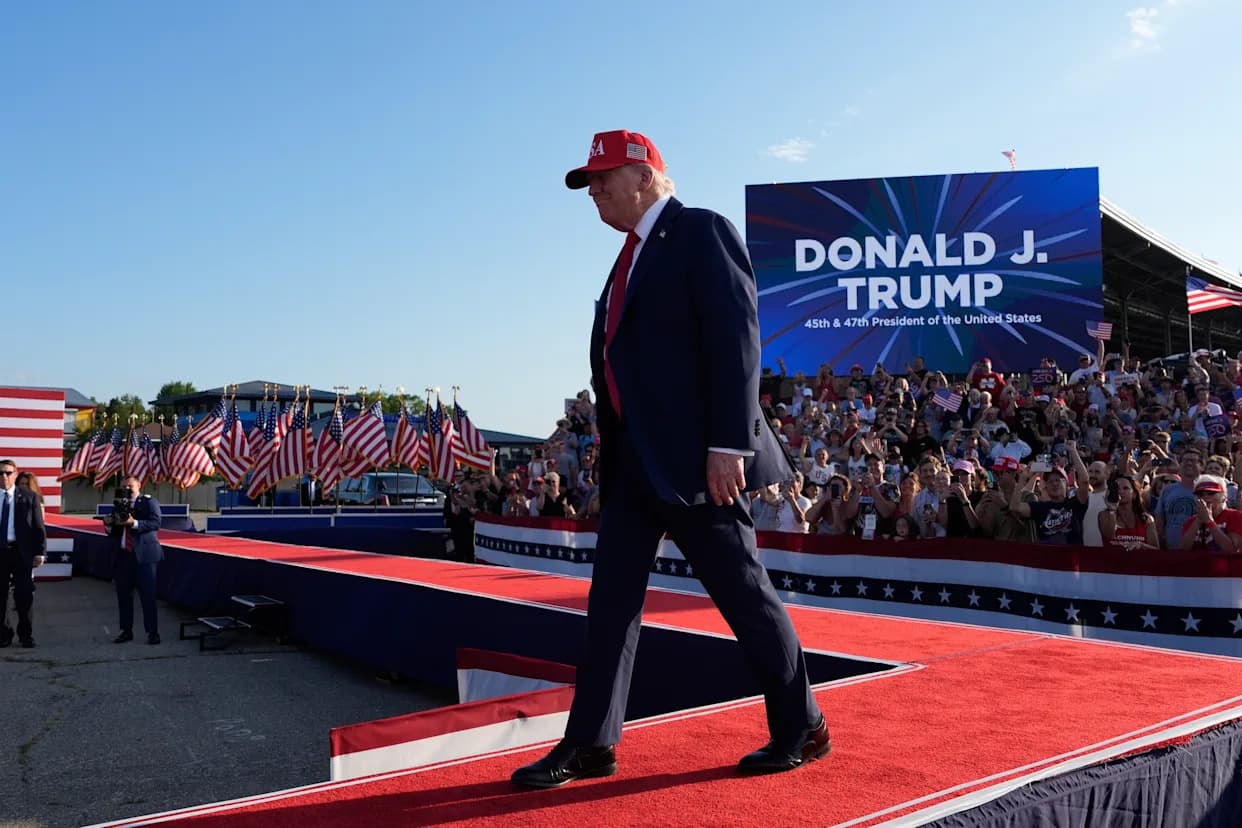
His recent rally in Pennsylvania — billed as the start of a busier travel schedule as the calendar moves into 2026 — illustrated both the potential upside and the pitfalls of centering Trump in GOP outreach. The event drew an enthusiastic crowd in a politically important county, but parts of his speech prompted immediate criticism, particularly comments on immigration and dismissive remarks about affordability.
Trump’s Defense
Responding to critics who say he has focused more on foreign travel than domestic appearances, Trump argued that his international engagements have brought investment back to the U.S. He also quipped that, having won the 2024 election, he could have rested — until chief of staff Susie Wiles urged him to resume campaigning.
“When you win you say, ‘I can now rest,’” Trump said. “So Susie Trump, do you know Susie Trump? Sometimes referred to as Susie Wiles. She’s the great chief of staff…She said, ‘We have to start campaigning, sir.’”
Republican Calculus
GOP strategists say Trump’s presence is a key asset: he energizes the party base and the MAGA movement in ways no other figure currently can. But they also concede that Trump has not always successfully transferred that energy to other Republican candidates when he is not on the ballot — a challenge for down-ballot races in midterms.
Polling, Risks and Soundbites
Recent polling complicates the playbook. An Associated Press-NORC poll found only 31% of adults approve of Trump’s handling of the economy — the lowest mark AP-NORC has recorded across his presidency. Approval also dropped on immigration (38%, down from 49% in March) and crime (43%, down from 53% in March).
Trump’s freewheeling stump style can produce memorable moments that create openings for opponents. In Pennsylvania he called concerns about affordability a "hoax" and at one point suggested Americans could buy fewer dolls for children — remarks that Democrats seized on to portray him as out of touch with everyday struggles.
What’s Next
The White House says Trump will deliver another domestic speech focused on the economy and affordability before year’s end, and Susie Wiles has signaled a more aggressive 2026 travel schedule. Republican strategists nonetheless stress that, ultimately, pocketbook issues will likely decide the midterms.
Context
Historically, the president’s party tends to lose seats in midterm elections. Recent cycles illustrate the variability: Democrats regained the House in 2018, while 2022 produced mixed results with Democrats expanding their Senate edge and Republicans narrowly winning the House. Trump’s unique appeal raises the prospect that his elevated profile could either boost GOP turnout or amplify liabilities, depending on how voters perceive his remarks and the broader economic picture.
Source: Reporting based on The Hill and Associated Press-NORC poll data.
Help us improve.