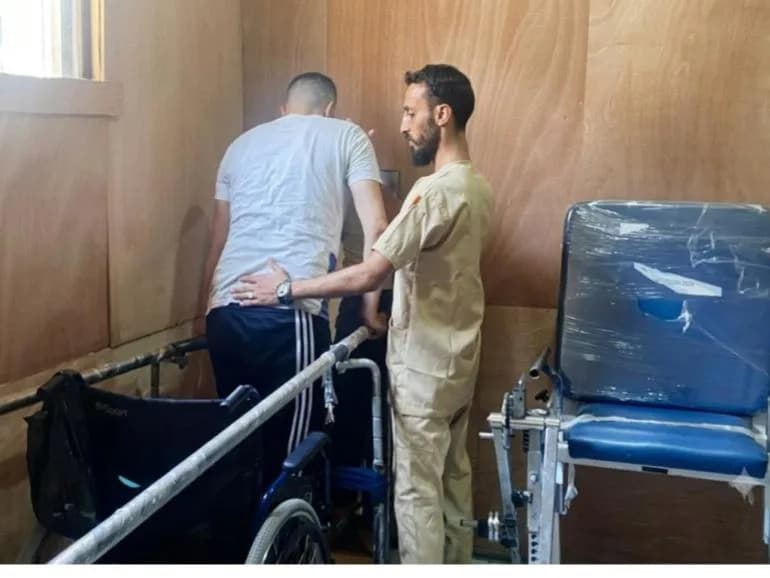
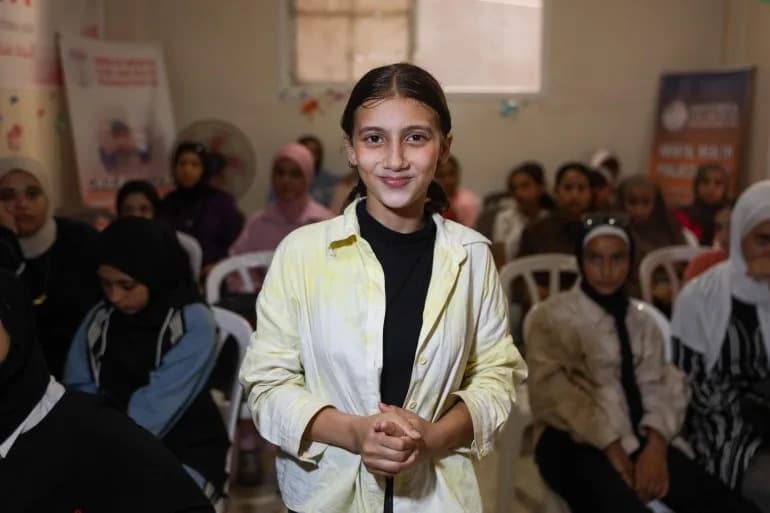
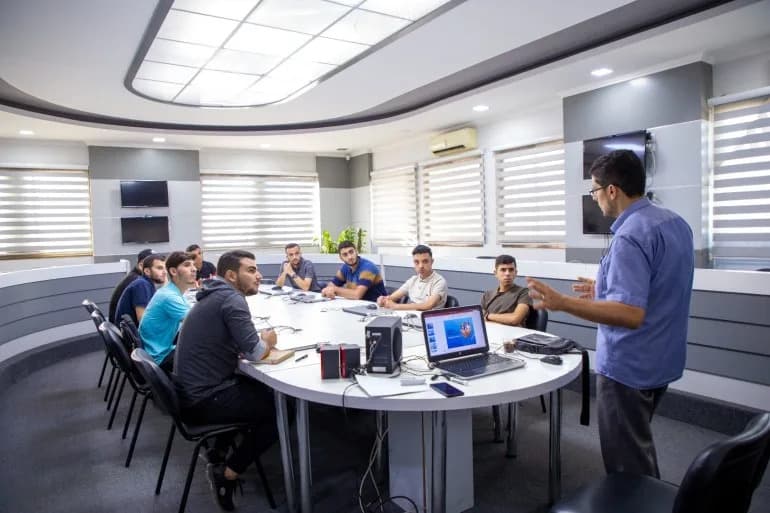
Inside a tent in central Gaza, virtual reality headsets are being used to give wounded children temporary relief from the physical and psychological effects of conflict. Gaza MedTech runs the programme; its founder, Mosab Ali, first used VR to comfort his son and was later killed in an Israeli strike. The project faces supply constraints because spare parts are blocked under the blockade. UN agencies warn that over 90% of Gaza’s children show severe stress and call for unfettered access to medical and psychological aid.
Virtual Reality Offers Momentary Escape for Gaza’s Wounded Children

Salah Abu Rukba sustained an injury to his head during Israel’s genocidal war on Gaza [Screen grab/ Al Jazeera]
Inside a makeshift tent in the centre of the besieged Gaza Strip, children wounded in more than two years of conflict find a rare respite: virtual reality headsets that briefly transport them away from the destruction around them.
Virtual Sessions Provide Calm and Distraction
At the VR Tent in az-Zawayda, central Gaza, children report that immersive VR experiences ease both physical and psychological pain. “After I was injured in the head, I try to forget the pain,” said Salah Abu Rukba, a participant. “When I put on the headset, I forget the injury. I feel comfort as I forget the destruction, the war, and even the sound of the drones disappears.”
How the Programme Works
Gaza MedTech, a local technology initiative, runs the sessions using commercial VR headsets and curated calming environments. The initiative was founded by Palestinian innovator Mosab Ali, who first used virtual reality to comfort his own injured son; Ali was later killed in an Israeli strike.
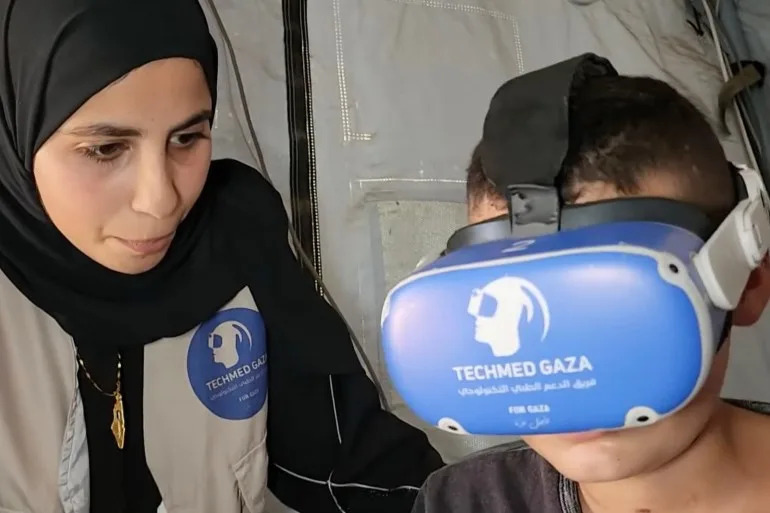
Gaza MedTech was launched by Palestinian innovator Mosab Ali, who used VR to comfort his injured son [Screen grab/Al Jazeera]
Evidence and Limitations
Research shows VR can be a useful adjunct in treating mental health conditions such as post-traumatic stress disorder (PTSD) by providing controlled exposure, grounding techniques and distraction therapy. However, delivering this care in Gaza faces major obstacles: spare parts and replacement equipment are largely barred from entry under Israel’s blockade, making maintenance and scale-up difficult.
Humanitarian Context
Since a ceasefire formally took effect on October 10, slightly more aid has been allowed into Gaza, but the volume remains far below needs and appears to fall short of the truce’s stipulations. Gaza authorities report the truce has been violated by Israel at least 738 times since it took effect.
The United Nations estimates that more than 90% of children in Gaza show signs of severe stress driven by the loss of safety and stability and will require long-term psychological support.
Multiple UN bodies — including the World Health Organization (WHO), the UN Office for the Coordination of Humanitarian Affairs (OCHA), and independent UN experts — have called for immediate and unimpeded access to Gaza for essential medical equipment and psychological support. Programme organisers say continued access to spare parts and equipment is critical if VR interventions are to remain available to the children who need them.
Looking Ahead: While VR sessions are not a substitute for comprehensive medical and mental healthcare, they provide meaningful short-term relief for children living with traumatic injuries and daily reminders of conflict. Sustained humanitarian access and funding would be needed to expand such psychosocial interventions at scale.
Help us improve.