The 2018 excavation of a Bayuda Desert grave uncovered two clay vessels beside a male burial; one contained charred plant remains, animal bone fragments, coprolites and insects. Researchers interpret the deposit as residues from a campfire used in a funeral ritual — likely the remnants of a funeral feast placed into the vessel rather than burned in it. The grave is linked to the Kerma Culture (early Old Kush II, c. 2050–1750 B.C.E.), and botanical finds (legumes, cereals, acacia wood) suggest a once savanna-like environment.
4,000-Year-Old Sudanese Burial Reveals Traces Of A Funeral Feast And Ritual Fire

Archaeologists Found Remains of an Ancient FuneralAntonio Ciufo - Getty Images
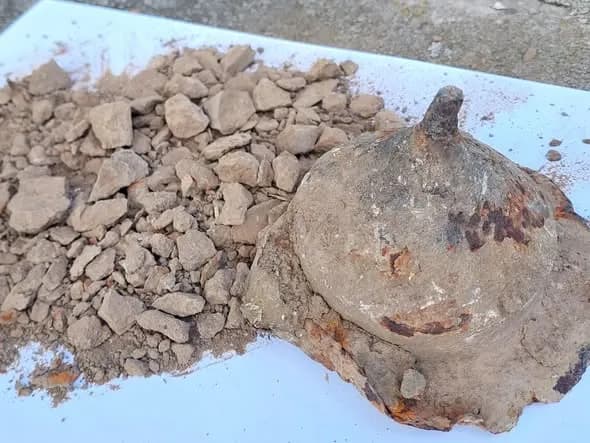
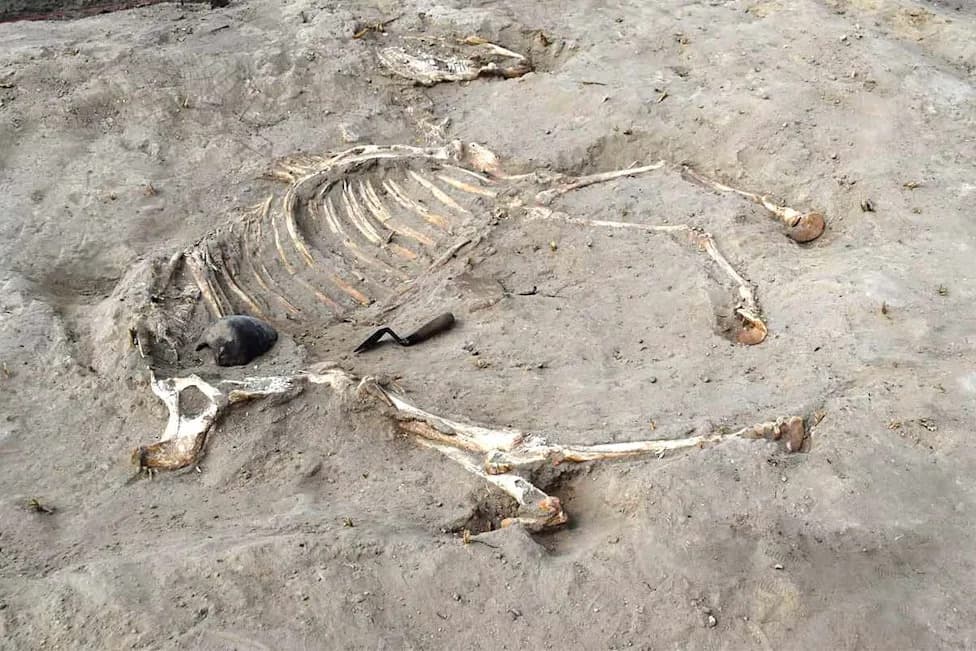
A roughly 4,000-year-old grave discovered in 2018 in Sudan's Bayuda Desert has yielded unusually well-preserved residues interpreted as the remains of a funeral ritual. Archaeologists found two clay vessels beside a male skeleton: one lay upside down and empty, while the other stood upright and was filled with charred botanical remains, animal bone fragments, coprolites and insect parts.
What Researchers Found
Analysis published in Anzania: Archaeological Research in Africa indicates the filled vessel contained diaspores (charred plant parts), acacia wood fragments, legumes and cereal grains, fragments of animal bone and traces of coprolites and insects (primarily weevils). Because the pottery itself shows no signs of burning, researchers conclude that the charred material was produced elsewhere — likely in a campfire — and then intentionally placed into the vessel before burial.
Interpretation: A Funeral Feast And Ritual Fire
The excavation team interprets the deposit as residues from a campfire used during funerary rites, possibly the leftovers of a funeral feast that were thrown into the fire and later deposited in the pot. Study co-author Henryk Paner of the Polish Center of Mediterranean Archaeology noted the find is unusual and that its precise ritual meaning remains unclear:
“This is precisely what makes our discovery mysterious and even unusual,” Paner told Live Science, “and we do not know the significance of this ritual.”
Context And Dating
The grave is attributed to the Kerma Culture and dated to the early Old Kush II period, approximately 2050–1750 B.C.E. The burial mound and most grave goods — including ceramic vessels and beads — are ordinary for the region and period. Around the deceased man's neck archaeologists found 82 blue-glazed beads, but it is the contents of the upright vessel that stand out as exceptional.
Environmental Clues
Beyond cultural practice, the botanical remains provide an environmental snapshot: legumes, cereal grains and acacia wood point to a more savanna-like landscape in the area around 4,000 years ago, rather than the open desert seen today.
Why This Matters
The find offers a rare, tangible window into ritual behavior tied to death in ancient Nubia and contributes both archaeological and paleoenvironmental evidence. While comparable deposits are not known from the region, the discovery raises questions about funerary foodways, ritualized fires and how communities commemorated the dead in the Kingdom of Kerma.
Help us improve.