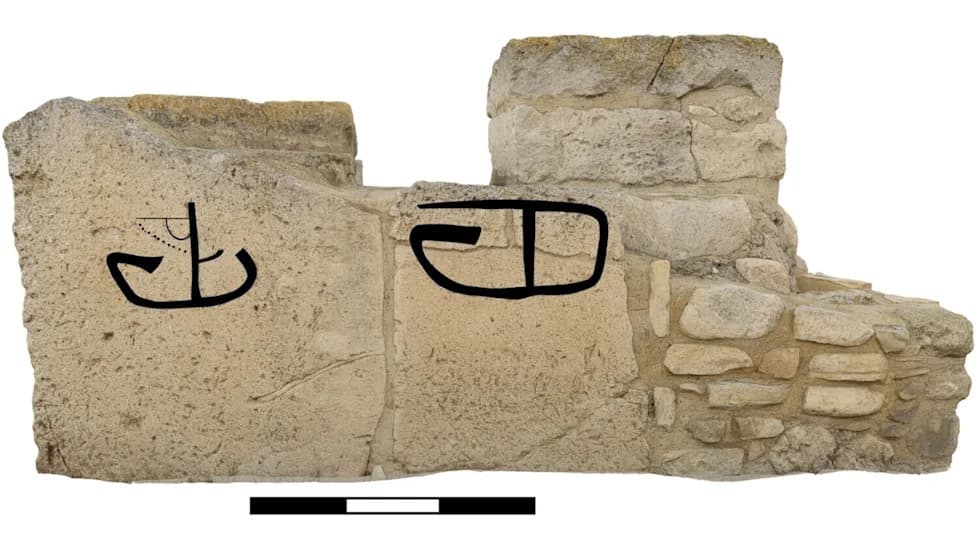
This article surveys eight ancient societies that rose to prominence and later faded: the Indus Valley, Nabateans (Petra), Olmecs, Ancestral Puebloans, Kingdom of Aksum, Cucuteni–Trypillia, Hittites and Mycenaeans. It highlights key achievements — urban planning, monumental art, trade networks, and early writing — and summarizes likely causes of decline, from climate change and earthquakes to trade disruption and social collapse. While definitive answers remain rare, the archaeological record offers insight into human creativity, resilience and vulnerability.
8 Ancient Civilizations That Vanished: Ruins, Mysteries, and What We Know

Image Credit: Shutterstock.
History offers many complete narratives of rise and fall, but some ancient societies seem to have been left with no final chapter. These cultures built sophisticated cities, developed unique arts and technologies, and then gradually faded — leaving behind ruins, artifacts, and puzzles that continue to fascinate researchers and the public alike.
Indus Valley Civilization (c. 2500–1800 BCE)
One of the world’s earliest urban cultures, the Indus Valley covered large areas of what are now Pakistan and northwest India, rivaling ancient Egypt and Mesopotamia in scale. Cities such as Mohenjo-Daro and Harappa featured well-planned street grids, multi-story brick homes, and advanced drainage systems. The Indus script remains undeciphered, so many aspects of daily life, religion, and government remain unknown. Evidence suggests a gradual decline around 1800 BCE rather than a sudden conquest; leading theories include climate change, altered monsoon patterns that undermined agriculture, and river course changes.
Nabateans and Petra (fl. 1st century BCE–4th century CE)
Originally nomadic, the Nabateans became wealthy middlemen by controlling caravan routes across the Arabian Desert, transporting incense, myrrh, and spices. Their capital, Petra (in modern Jordan), is famous for monumental facades carved into sandstone and an ingenious water-management system of dams, cisterns, and channels. Petra’s decline accelerated after a major earthquake in 363 CE damaged critical infrastructure and, over time, maritime trade routes bypassed inland caravan networks. The city was gradually abandoned until its rediscovery in the 19th century.
Olmecs (c. 1500–400 BCE)
Often called the “mother culture” of Mesoamerica, the Olmecs influenced later societies such as the Maya and Aztec. They are best known for colossal stone heads — monumental sculptures thought to represent rulers — and for early developments in ritual practices and possibly writing and calendrics. By around 400 BCE, major Olmec centers were abandoned and, in some cases, deliberately defaced or buried. Causes remain debated: environmental change, shifting river systems, volcanic events, or internal social transformation are all proposed.
Ancestral Puebloans (c. 1–1300 CE)
In the American Southwest’s Four Corners region, ancestral Pueblo communities evolved from mobile groups into builders of complex stone-and-earth architecture. Sites such as Chaco Canyon and Mesa Verde feature multi-story great houses, kivas, road networks, and cliff dwellings. A combination of the prolonged Great Drought (late 13th century), resource depletion, and social stress likely forced large-scale migration. Descendants of these peoples include the modern Pueblo communities of the region.
Kingdom of Aksum (c. 1st–7th century CE)
Located in present-day Ethiopia and Eritrea, Aksum was a major trading power linking Rome and India. It adopted Christianity in the 4th century CE and developed the Ge'ez script. Monumental stelae mark its urban landscapes. From the 7th century CE, Aksum’s influence waned as rising Islamic powers and changing maritime trade patterns redirected commerce, and climatic shifts likely reduced agricultural productivity, undermining the kingdom’s economy.
Cucuteni–Trypillia Culture (c. 5500–2750 BCE)
In parts of modern Romania, Moldova and Ukraine, the Cucuteni–Trypillia culture built some of prehistoric Europe’s largest settlements, with evidence suggesting populations of thousands in single sites. They produced highly decorated pottery with complex motifs and — intriguingly — periodically burned some settlements every 60–80 years before rebuilding on the ashes. Whether this was ritual, structural renewal, or practical sanitation is debated. Around 2750 BCE the pattern stopped and the culture disappeared from the archaeological record.
Hittites (c. 1600–1200 BCE)
Centered in Anatolia (modern Turkey), the Hittite Empire was a key Bronze Age power, noted for chariot warfare, a sophisticated legal code, and early use of an Indo-European language. They negotiated and fought with neighboring empires, including Egypt. Their abrupt decline around 1200 BCE occurred as part of the wider Late Bronze Age collapse: major cities were destroyed or abandoned, likely due to a combination of external invasions (including movements of the so-called "Sea Peoples"), internal unrest, famine, and disrupted trade networks.
Mycenaeans (c. 1600–1100 BCE)
The Mycenaean civilization dominated mainland Greece and the Aegean during the Late Bronze Age. Famous for fortified citadels, monumental tombs, and the Linear B administrative script, the Mycenaeans supported extensive trade and palatial economies. Around 1100 BCE many palaces were destroyed and trade collapsed, ushering in a prolonged Greek "Dark Age". Causes mirror those of the Hittites: systemic collapse following military, economic and environmental shocks.
Each of these vanished societies leaves us both artifacts and questions. Their ruins are not merely silent reminders of loss but open invitations to listen more closely to how people adapted, innovated, and sometimes were undone by changing environments, technologies, and social forces.
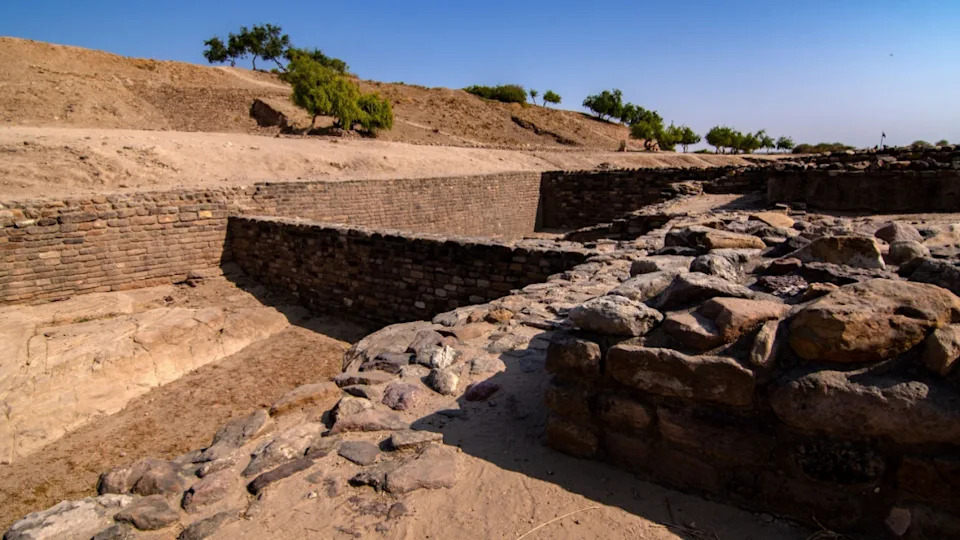
Image Credit: Shutterstock.

Image Credit: Shutterstock.

Image Credit: Shutterstock.

Image Credit: Shutterstock.

Image Credit: Shutterstock.
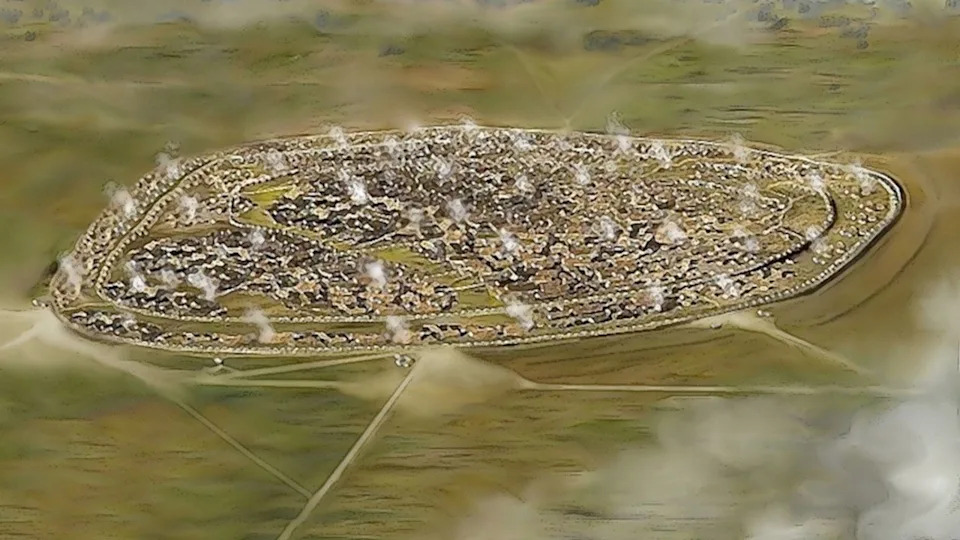
Image Credit: Kenny Arne Lang Antonsen - Own work - CC BY-SA 4.0/Wiki Commons.

Image Credit: Erman Gunes / Shutterstock.
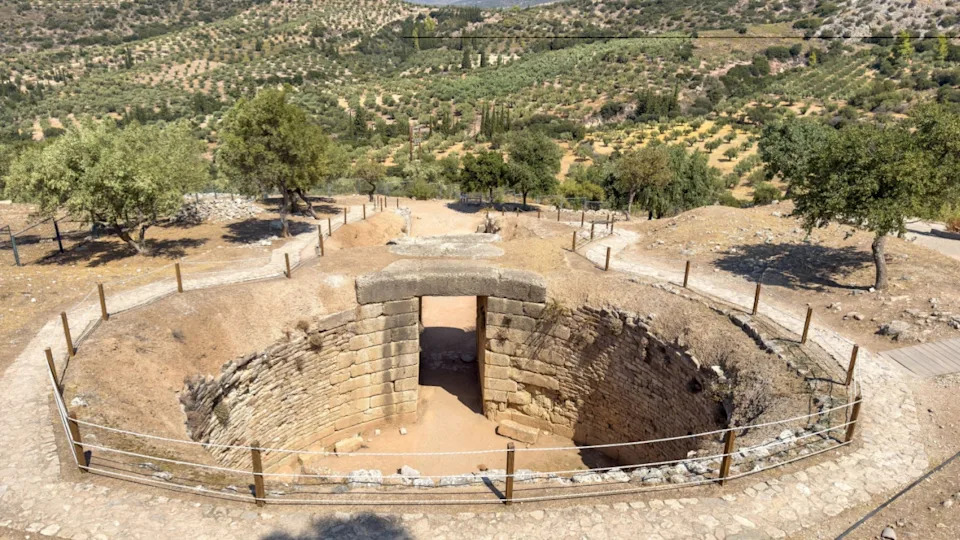
Image Credit: Shutterstock.
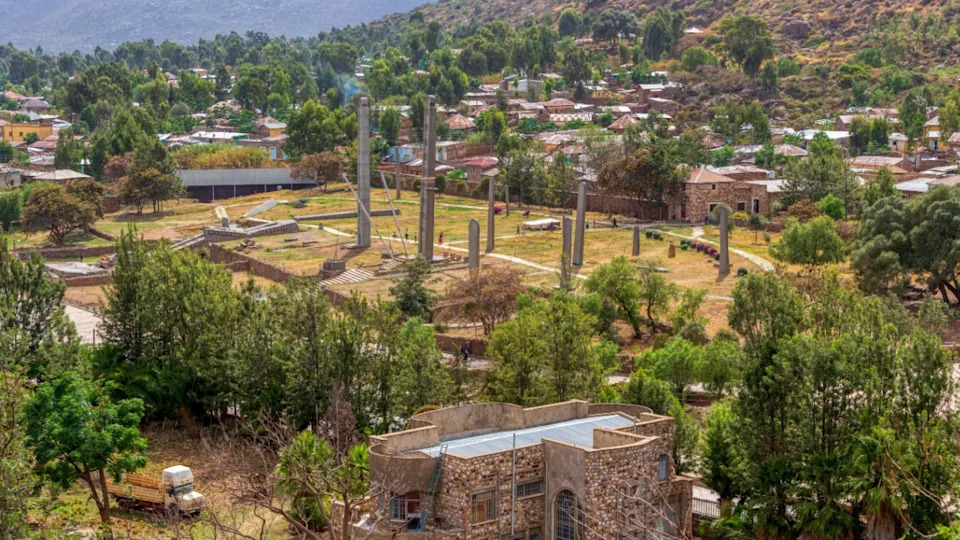
Image Credit: Shutterstock
Help us improve.