Decades of research indicate that autism most often results from complex interactions between many inherited genes and environmental influences that act largely before birth. Family and twin studies—and growing molecular genetic evidence—show strong heritability, with prevalence roughly 2.8% in the U.S. and about 20.2% among children who have an autistic sibling. Extensive studies show no credible link between routine childhood vaccines and autism. Scientists urge that research funding and public health decisions follow the best available evidence.
Look to Genes, Not Vaccines: Researchers Point to Genetic and In‑Utero Causes of Autism

A model of a DNA molecule is displayed in the New York office of the Sloan-Kettering Institute for Cancer Research in 1962.(Anthony Camerano / Associated Press)
Earlier this year, Health and Human Services Secretary Robert F. Kennedy Jr. pledged that scientists would identify the cause of the perceived rise in autism within months — a promise that has not been fulfilled. Kennedy has repeatedly suggested, without credible evidence, that routine childhood vaccines could be involved. Scientists and autism advocates say that claim misunderstands the substantial, long-standing evidence indicating autism is largely shaped by genetics interacting with prenatal environmental factors.
Genetics Provide the Strongest Clues
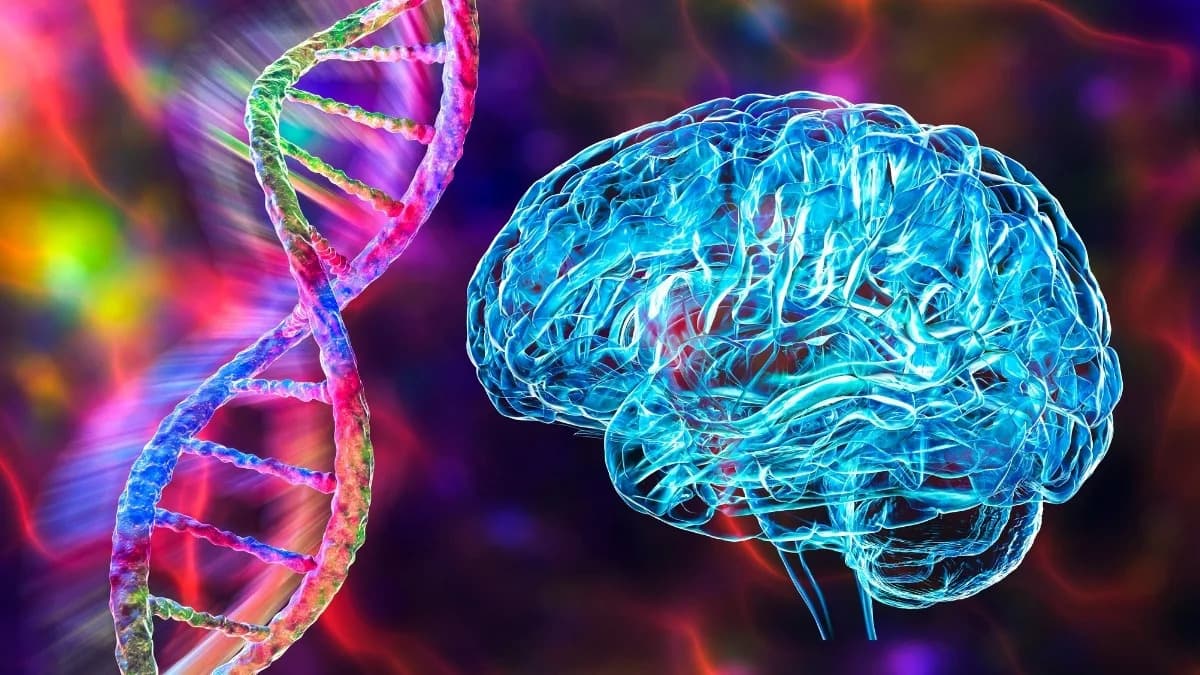
More than five decades of research have not found a single, universal cause of autism. Instead, a consistent picture has emerged: autism spectrum conditions are most often polygenic, meaning many genes each contribute a small amount to overall risk. Researchers have identified hundreds of candidate genes among the roughly 20,000 in the human genome, and more are likely to be found.
“If we know nothing else, we know that autism is primarily genetic,” said Joe Buxbaum, director of the Seaver Autism Center for Research and Treatment at Mount Sinai.
Family And Twin Studies Reinforce Heritability
Evidence from family- and twin-based studies forms the backbone of the genetic case. A recent Pediatrics analysis estimated U.S. autism prevalence at about 2.8%. Among children with at least one autistic sibling, prevalence rises to 20.2% — roughly seven times the population rate. Twin studies show much higher concordance for identical twins (who share 100% of their DNA) than for fraternal twins (who share about 50%). Concordance estimates for identical twins range from 60% to 90%, whereas co-twin risk for fraternal twins is about 20%, similar to non-twin siblings.
Environment Matters — Especially Before Birth
Genetics do not act in isolation. Developmental scientists use the term environment to mean anything not encoded in DNA, which can include parental age, maternal health, nutrition, air pollution, infections and chemical exposures. Importantly, many environmental risk factors linked to autism operate during fetal development, and their effects often depend on a child’s genetic susceptibilities.
Vaccines Are Not Supported By Credible Evidence
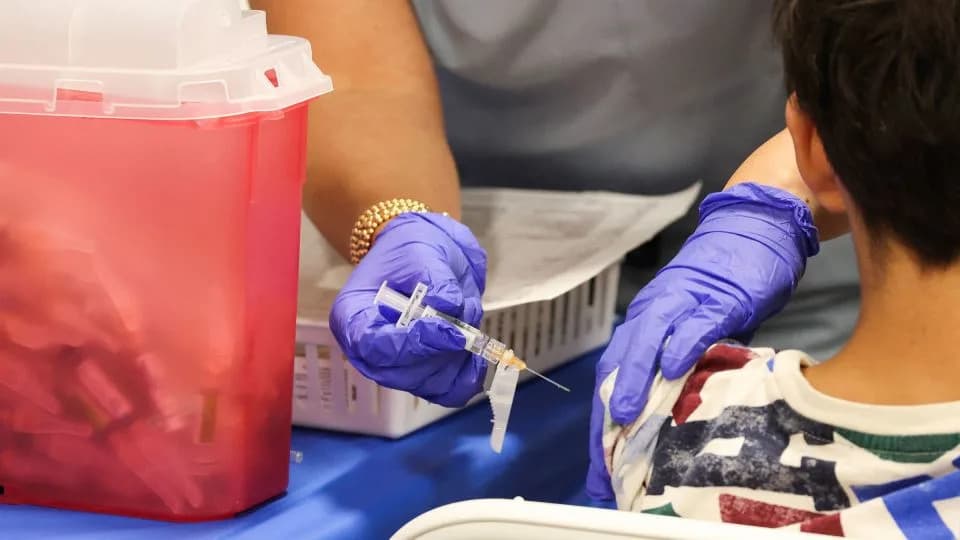
Despite persistent public concern, extensive research has found no credible evidence that routine childhood vaccines cause autism. Large-scale epidemiological studies and systematic reviews have consistently failed to demonstrate a link.
Policy And Funding Concerns
Researchers are also concerned about how public-health priorities are set. Investigations have reported that more than 50 autism-related studies lost funding after policy changes at HHS, even as the department announced a separate $50 million initiative to study gene–environment interactions across 13 university teams. Scientists stress that research dollars should be allocated based on the best available evidence to avoid diverting resources away from urgent health needs.
Scientific debate is essential and healthy, but productive debate depends on shared facts and rigorous methods. For now, the strongest, most consistent evidence points to complex genetic contributions interacting with prenatal environmental factors as the primary drivers of autism risk.
This article is based on reporting originally published in the Los Angeles Times.
Help us improve.