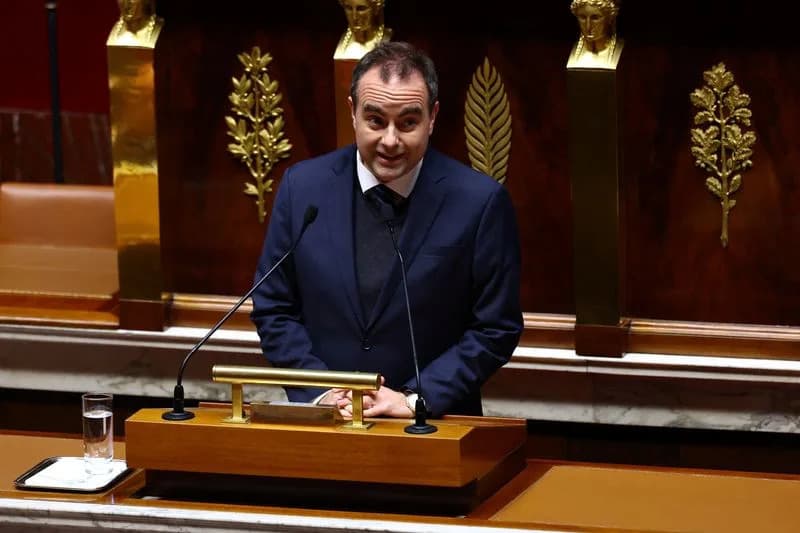
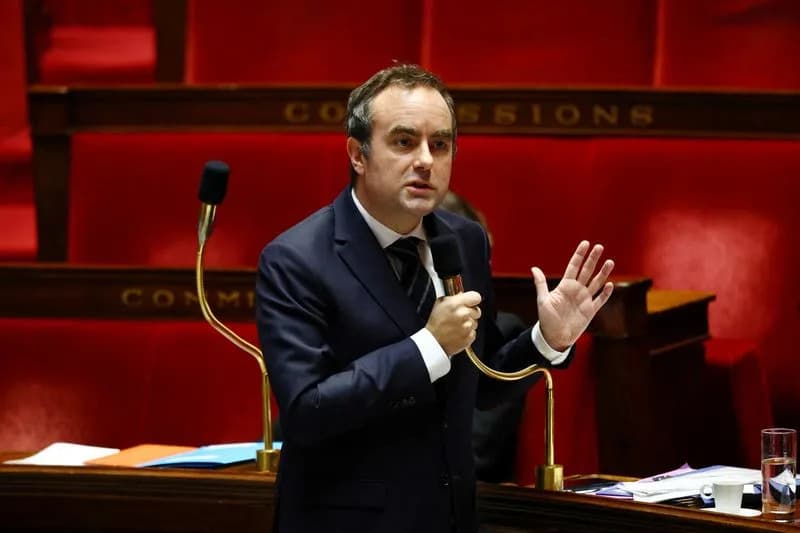
French lawmakers approved a social security budget, granting Prime Minister Sébastien Lecornu a short-term political reprieve while doing little to resolve France’s growing debt problem. The contentious pension fight — which has contributed to several senior resignations — centers on President Macron’s plan to raise the retirement age to 64. Lecornu has agreed to postpone the reform until after the 2027 presidential election, but the social security bill still needs Senate approval and the broader state budget remains a major challenge.
France Postpones Controversial Pension Reform Until 2027, Giving Premier a Breather

French lawmakers have approved a social security budget, delivering a timely political reprieve for Prime Minister Sébastien Lecornu even though it does little to address France’s mounting public debt.
The long-running dispute over pension reform has provoked sustained public anger and political instability this year, contributing to multiple high-profile resignations at the top of government. President Emmanuel Macron’s proposal to raise the retirement age to 64 — described by proponents as bringing France in line with the EU average — remains deeply unpopular with many voters.
Lecornu Agrees To Delay Reform: To ease tensions ahead of the next presidential vote, Mr. Lecornu has agreed to postpone the pension changes until 2027. The prime minister, who has already resigned and been reappointed once amid the crisis, now leads a fragile minority government that faces fresh pressures over the broader state budget.
The approved social security bill must still clear the Senate (the upper chamber), and the government will confront further scrutiny when it presents the full state budget later this month. Observers say the delay may stabilize the immediate political situation but leaves the structural fiscal challenge — and the difficult choices needed to close France’s deficit gap — unresolved.
Why it matters: Postponing the reform buys political breathing space ahead of national elections, but it also delays a contentious solution to long-term pension financing and does not reduce the country’s high deficit.
Help us improve.