Summary: Khaled Meshaal told Al Jazeera Hamas will seek to curb attacks from Gaza but rejects unconditional disarmament, calling it like 'removing the soul' of the group. The movement opposes a non‑Palestinian governing authority for Gaza. Mediators warn the October ceasefire — reportedly breached hundreds of times and linked to dozens of deaths — is at a critical juncture as talks on a second phase, increased aid, and possible international stabilisation forces continue.
Hamas Says It Will Curtail Attacks From Gaza but Rejects Full Disarmament

Senior Hamas leader Khaled Meshaal speaks to Al Jazeera Arabic about peace efforts with Israel [Screengrab: Al Jazeera Arabic]
Khaled Meshaal, head of Hamas’s external affairs, told Al Jazeera that the movement would take steps to restrain future attacks launched from the besieged Gaza Strip while firmly rejecting the idea of surrendering its weapons, which he described as akin to 'removing the soul' of the group.
In an interview for Al Jazeera Arabic’s Mawazin programme, Meshaal outlined Hamas’s positions on core issues as mediators warn momentum behind the October ceasefire may weaken as its first phase concludes. Hamas has insisted the truce cannot progress if Israel continues to violate the agreement; Israeli actions have reportedly breached the truce hundreds of times since it took effect on October 10.
Key Positions and Negotiation Sticking Points
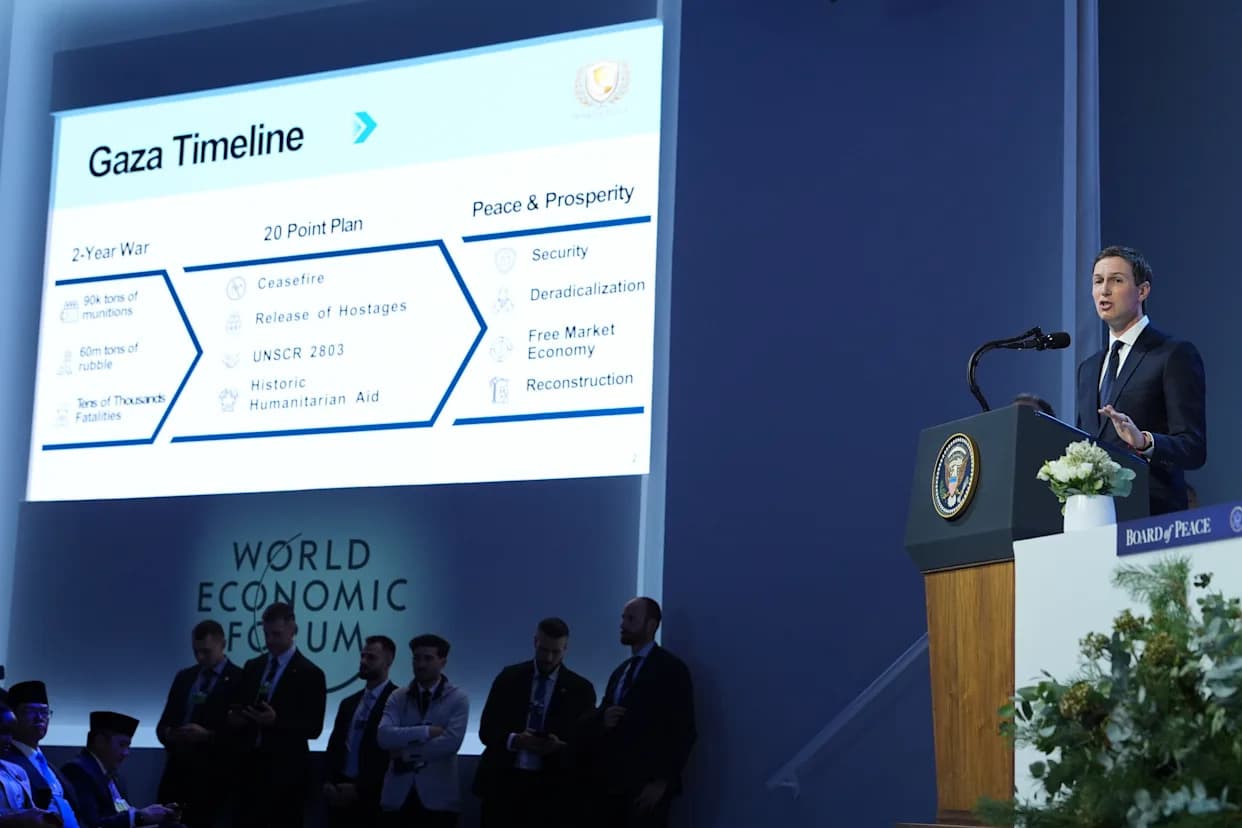
Meshaal rejected proposals for a non-Palestinian governing authority in Gaza, dismissing ideas such as a US‑backed 'board of peace' as unacceptable alternatives to Hamas’s rule, which dates back to 2006. The Financial Times reported that Tony Blair’s potential role on such a board has been ruled out after opposition from several Arab and Muslim states; Hamas had already criticised Blair for his past roles in Iraq and as a Middle East envoy.
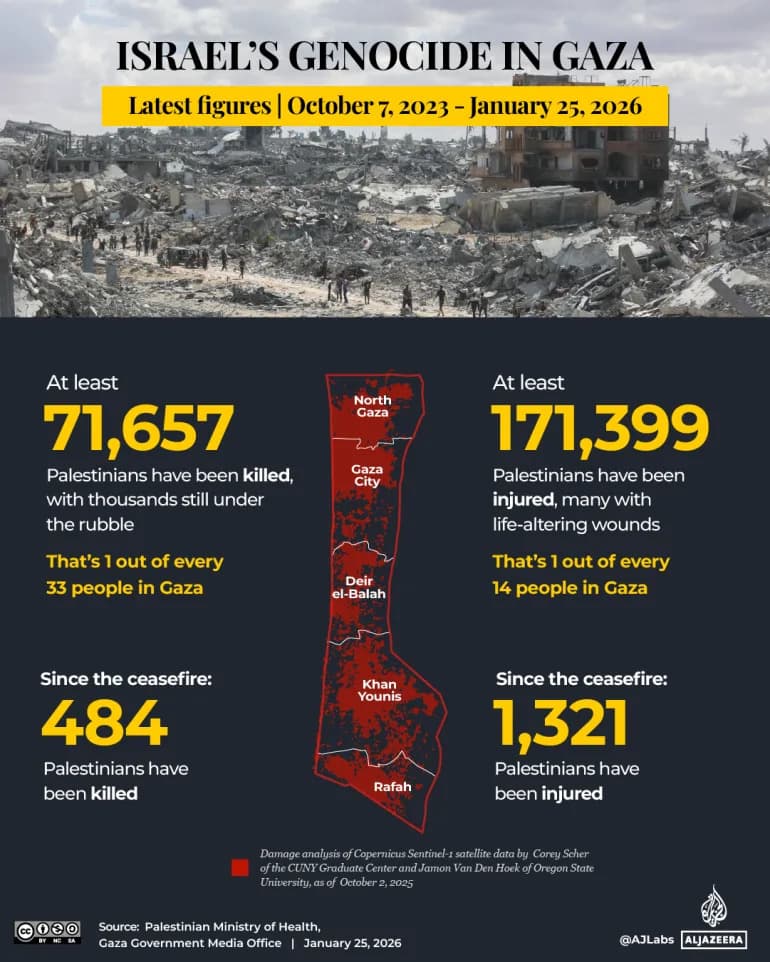
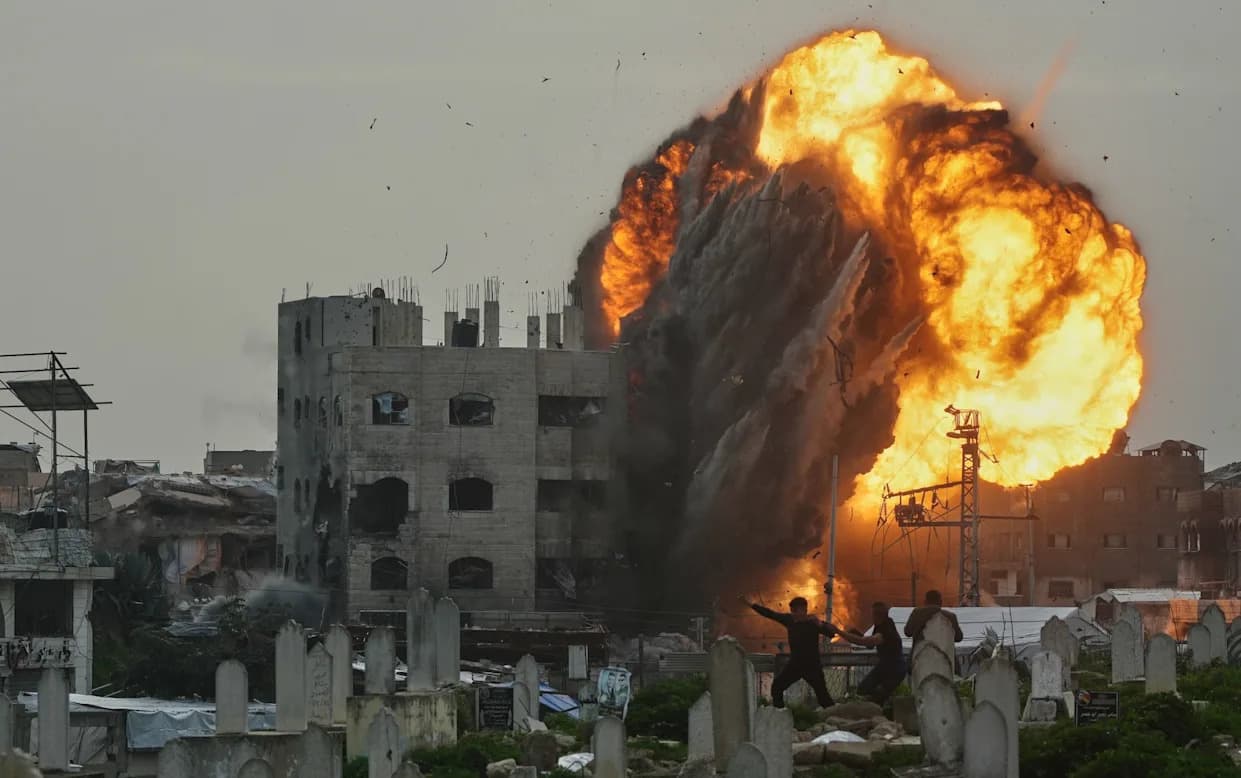
The US‑brokered ceasefire struck in October has broadly held, though mediators say its momentum is fragile. Official sources cited at least 738 reported violations of the truce since it took effect, and reporting attributes at least 377 deaths to Israeli strikes during the ceasefire period. At the Doha Forum, Qatar’s prime minister warned the agreement was at a "critical moment," and Turkish and Egyptian ministers urged the US and other mediators to intensify efforts to preserve the process.
Hostages, Prisoner Releases and Humanitarian Concerns
Nearly all captives taken to Gaza during Hamas’s October 2023 attack on southern Israel have now been returned — all but one, living or deceased, according to the agreement — while Israel has released hundreds of Palestinian prisoners back to Gaza under the deal that halted the fighting. Families in Gaza have reported that many returned bodies showed signs consistent with torture, mutilation or execution, complicating reconciliation and investigations.
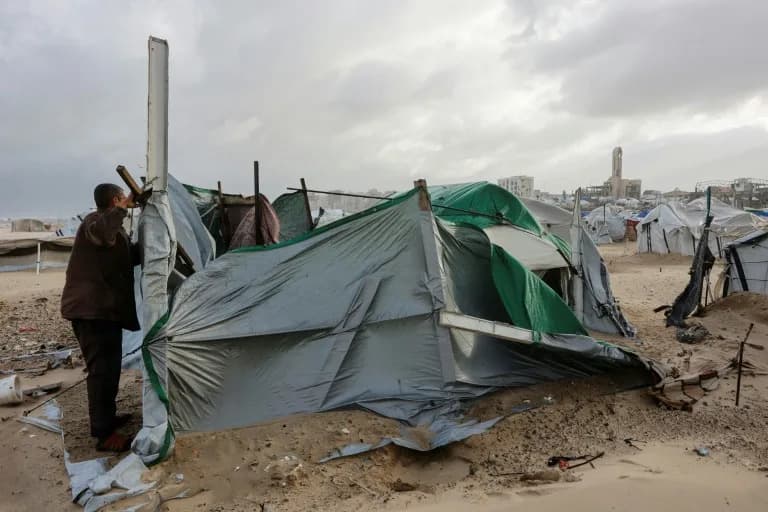
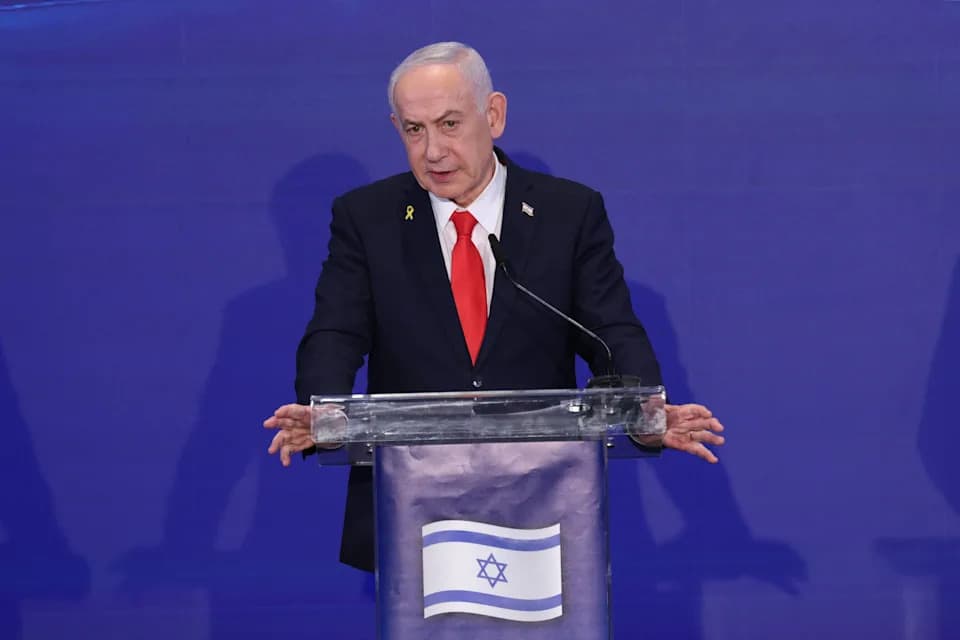
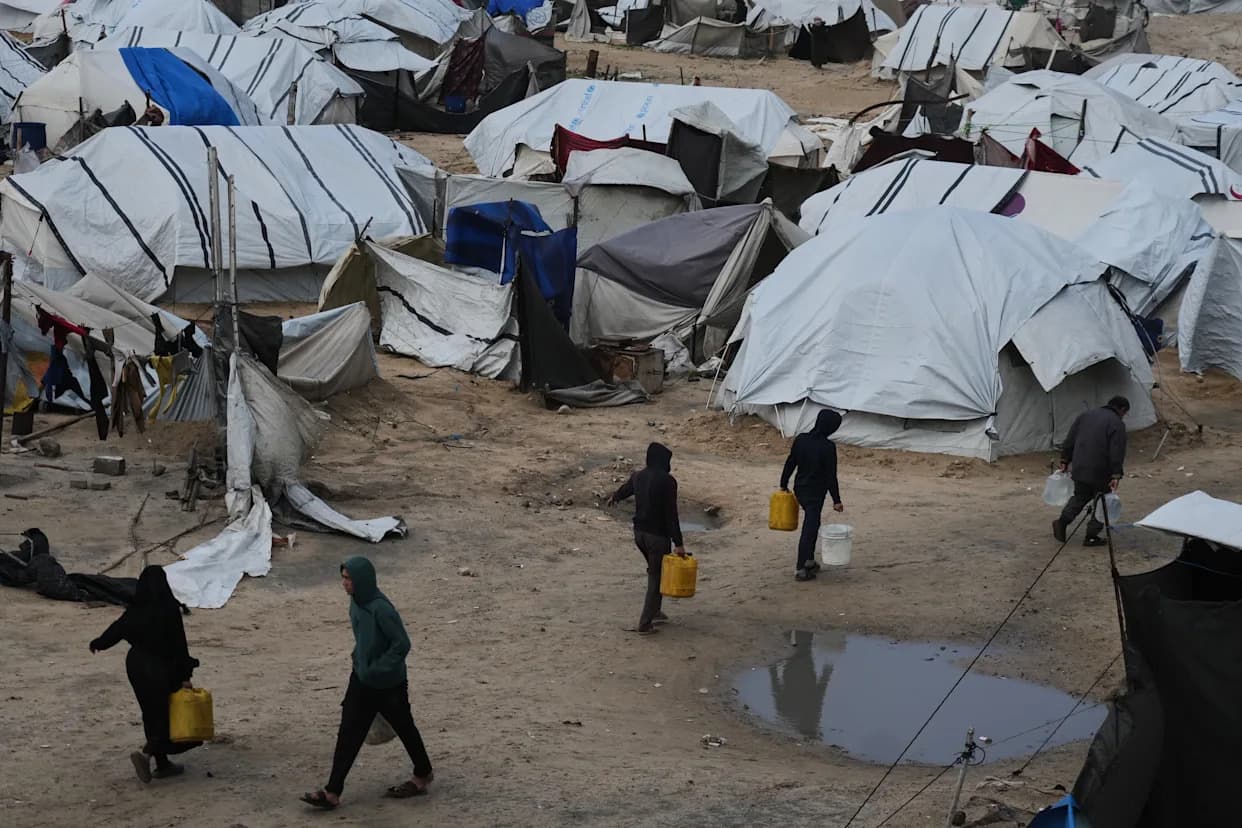
A Hamas official told Al Jazeera that Israel had not fully complied with the first phase of the agreement, citing the continued closure of the Rafah crossing, humanitarian aid volumes far below agreed levels, and near‑daily Israeli strikes. Israeli Prime Minister Benjamin Netanyahu said the first phase was nearly complete and pledged to seek similar results in a second stage, noting plans to meet with US President Donald Trump in Washington to advance negotiations.
Disarmament and an International Stabilisation Force
Disarmament remains one of the most contentious issues for any second‑phase agreement. Israel insists on demilitarising Hamas as part of a later stage, but Meshaal said forced disarmament would be equivalent to removing the group's 'soul.' Hamas officials have previously suggested they might consider transferring arms to a Palestinian state under certain conditions, but have not accepted unconditional disarmament.
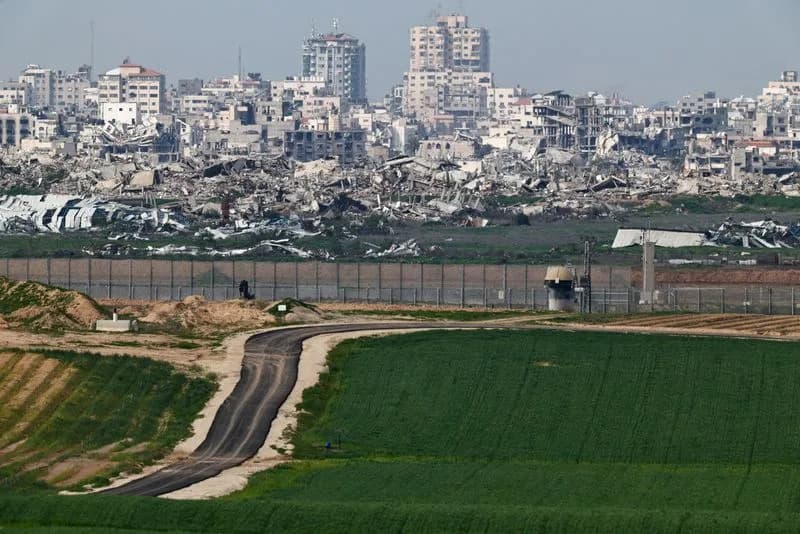
Turkey has indicated it could contribute troops to an international stabilisation force (ISF) tasked with disarming militants and securing Gaza, but Israel opposes Turkish deployment. Turkish Foreign Minister Hakan Fidan urged patience and realism, saying disarmament would not occur in the 'first stage' and that the process must follow the correct sequence. Egyptian Foreign Minister Badr Abdelatty said the ISF should be deployed 'as soon as possible' to monitor compliance along the so‑called yellow line, citing ongoing violations.
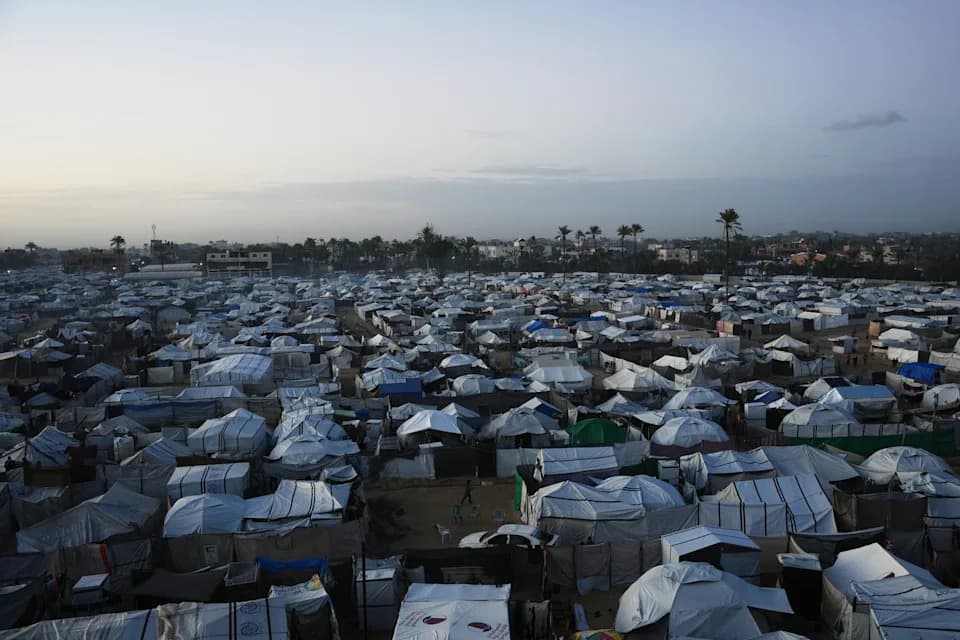
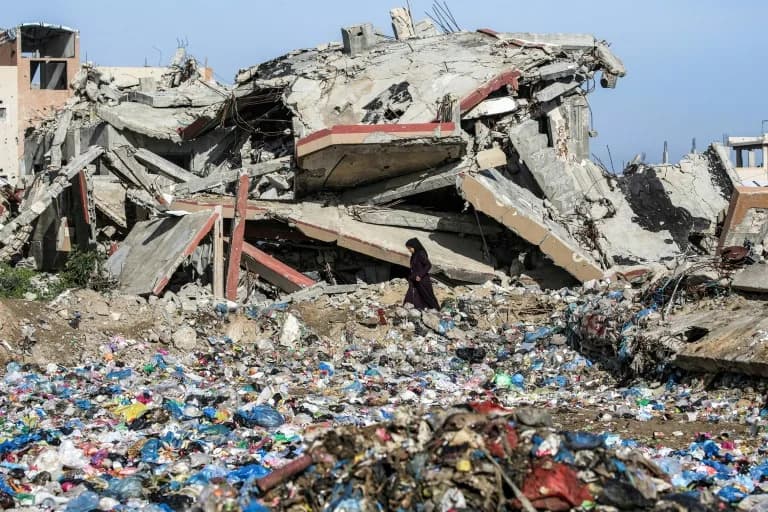
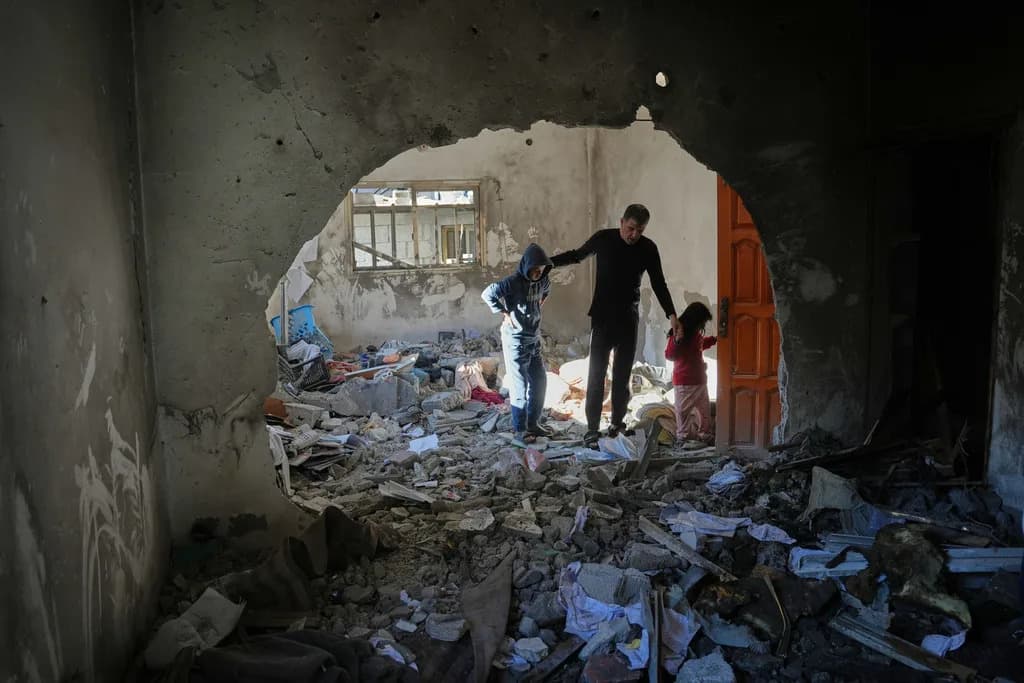
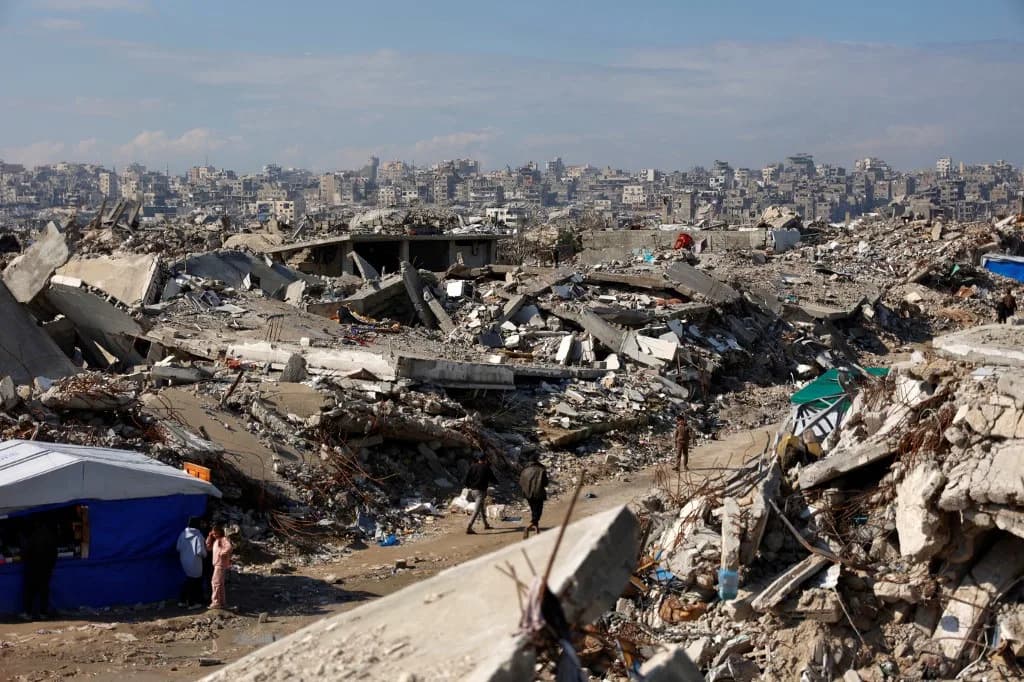
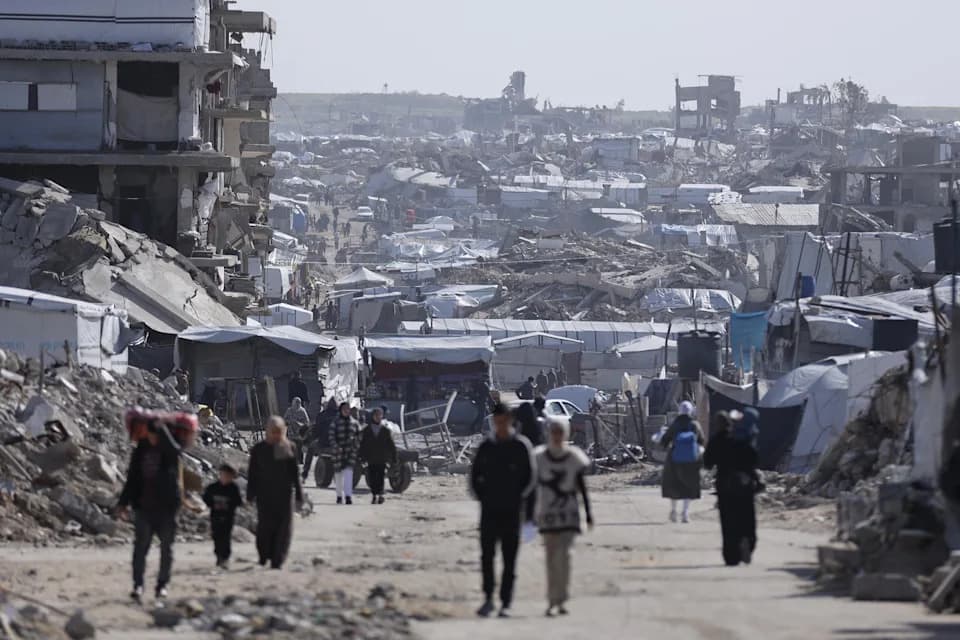
Meshaal stressed that a substantial increase in humanitarian aid and reconstruction support for Gaza is essential before a second phase can start; that phase would aim for a fuller Israeli withdrawal beyond the partial pullback to the yellow line and a formal end to the war. US and regional mediators say intensive negotiations on a second phase are ongoing and making progress, but significant gaps remain.
Meshaal: 'We informed the mediators that Gaza needs those who can help it rise and recover again.'
The coming weeks will be decisive for the ceasefire’s survival and the structure of any long‑term arrangements for Gaza, with disarmament, governance and the flow of aid at the center of diplomatic contention.
Help us improve.