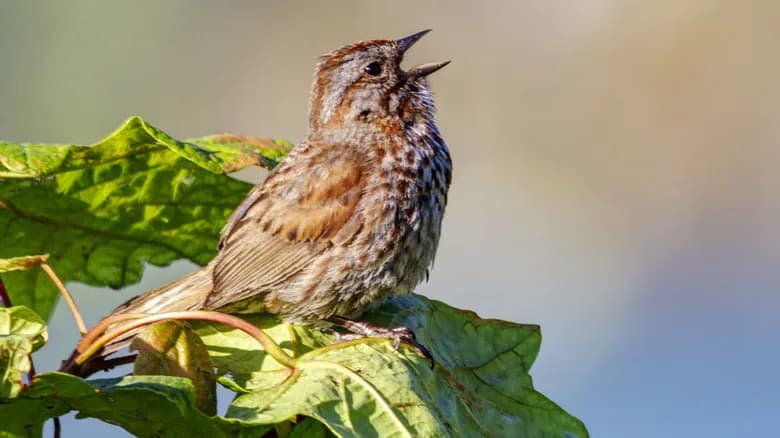
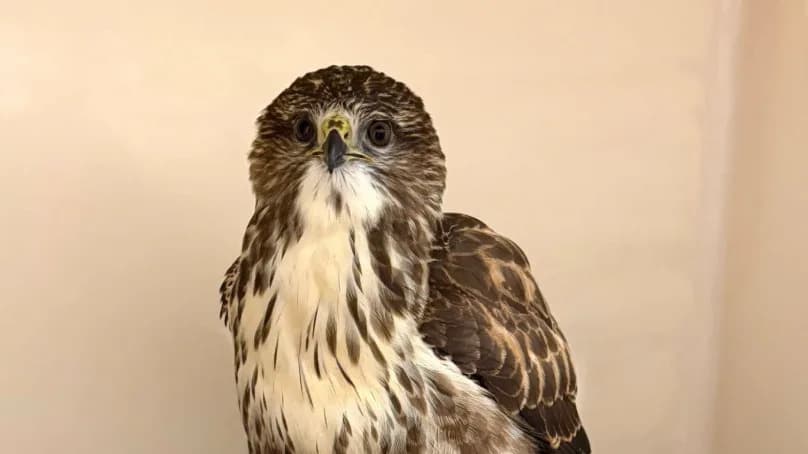
A Berlin study by Anglia Ruskin University found New Year’s Eve fireworks caused corvids—hooded crows, rooks and jackdaws—to fly erratically, abandon roosts and gather in unusual places, signs of prolonged stress. Professor Claudia Wascher warned night flying can lead to disorientation, collisions and increased energy use that may reduce survival and reproduction. Experts say the results apply to urban wildlife globally and advocate quieter, lower‑impact alternatives like drones or biodegradable confetti and shorter, less frequent displays.
Fireworks May Threaten Urban Birds' Survival, Berlin Study Warns

Fireworks are a familiar part of celebrations worldwide, but new research shows they can harm urban wildlife—especially birds. A study led by Anglia Ruskin University (ARU) in Berlin tracked corvids (hooded crows, rooks and jackdaws) during New Year's Eve fireworks and documented widespread, unusual behaviours consistent with prolonged stress.
What Researchers Observed
The team recorded erratic flight paths, abandonment of regular roosting sites and large congregations in atypical locations. These changes were linked to the sudden light and noise from fireworks, which disrupted normal resting patterns and behavior.
“These behaviors are consistent with signs of distress and fear,” said Professor Claudia Wascher of Anglia Ruskin University. “We know that flying in the dark can lead to disorientation and collisions among these birds. It also disrupts rest and increases energy expenditure, which can affect survival and reproduction.”
Broader Impacts
Although the fieldwork took place in Berlin, the researchers note the findings are relevant to urban bird populations globally. Reporting from The New York Times and other outlets shows fireworks trigger stress across many species—from household pets and zoo animals to wild birds and marine mammals—and that impacts can be worse during migration or breeding seasons.
Fireworks also contribute chemical pollutants to the air and leave physical litter, including spent containers and confetti, which pose additional risks to animals and human health (sources include Earth.org and Phys.org).
Lower-Impact Alternatives
Animal-welfare groups in the U.K. and elsewhere are calling for quieter, lower-impact alternatives. Possible options include coordinated drone light shows, biodegradable confetti and poppers, and reducing the frequency and duration of displays. Each alternative has trade-offs—drones can have limitations and costs—but shorter, quieter events would likely reduce stress and environmental harm.
Takeaway: The study adds to growing evidence that conventional fireworks carry ecological and welfare costs. Policy makers, event organizers and communities can reduce those harms by considering quieter displays, greener materials and fewer events during sensitive seasons such as migration and breeding.
Help us improve.