Researchers have observed large numbers of storks overwintering in Iğdır, Turkey, rather than migrating, a change linked to milder winters and expanded wetlands that provide year-round food. Experts say this shift reflects broader changes in migration timing caused by climate change, with implications for prey availability, habitat quality and disease risk. Cities like Istanbul are implementing nature-based solutions through UNEP initiatives, and communities can help by reducing light pollution, planting native species and limiting pesticides.
Scientists Warn: Storks Are Overwintering in Iğdır, Turkey as Migration Patterns Shift
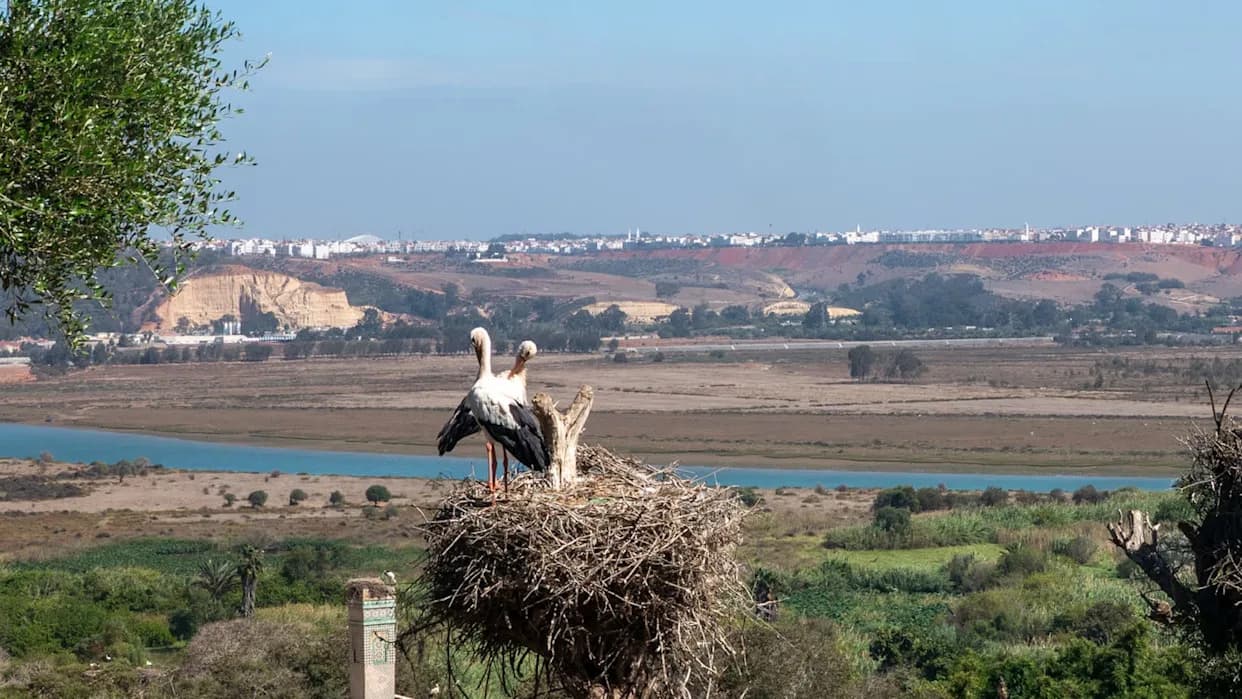
Photo Credit: iStock
Researchers have documented a surprising change in migratory behavior: large numbers of storks are remaining in Iğdır, in eastern Turkey, throughout the winter instead of following their traditional long-distance migrations (Bianet).
Traditionally celebrated in folklore as harbingers of spring, storks normally travel thousands of kilometres across Africa, Europe and Asia to reach seasonal breeding grounds in Turkey (Rudaw). But scientists say this local shift reflects a broader change in the timing and routes of many migratory bird species driven by climate change and landscape alterations (The Guardian).
Why Storks Are Staying
Dr. Emrah Çelik, director of the Bird Research and Education Center, says expanding wetlands, seasonal floodplains and other water bodies around Iğdır have increased year-round feeding opportunities for storks. He adds that milder winters—caused by global warming—keep wetland surfaces from freezing, leaving food available through the season.
“At the same time, the mild climate and the fact that winters have become warmer in recent years due to global climate change allow the storks to stay here,” Çelik said.
Observers report the birds are staying on nests built on mosque domes, utility poles and other structures rather than migrating to their usual wintering areas.
Broader Ecological and Human Implications
Migratory birds play essential roles in ecosystems: they disperse seeds, pollinate plants and help control pest populations. Because they depend on a network of habitats along their routes, changes in migration act as early indicators of broader environmental stress (Convention on Migratory Species / U.N. Climate Change report).
Scientists also warn of potential human impacts. Climate-driven shifts in migration patterns can alter the dynamics of diseases that affect both birds and people, changing exposure risks in unexpected ways (Science).
Threats And Local Responses
One growing hazard for migrating and resident birds is artificial light at night, which can disorient birds, deplete energy reserves and increase fatal collisions with buildings. Urban expansion and pesticide use can also reduce habitat quality.
Istanbul and other cities are beginning to act. Istanbul has launched a project under the U.N. Environment Programme's Generation Restoration Cities initiative to implement nature-based solutions in urban areas and help protect biodiversity (UNEP).
How Communities Can Help
Practical local steps can make a difference:
- Dim or switch off unnecessary exterior lights during migration seasons to create safer flight corridors.
- Plant native species and restore wetlands to provide food and shelter year-round.
- Reduce chemical pesticide use to protect insect prey and overall ecosystem health.
- Apply bird-safe window markings to reduce collisions with glass.
“Even in this season, the number of storks in Iğdır is higher than in many other cities; it is almost a stork paradise,” Çelik said, emphasizing the striking local population increase.
Sources: Bianet, Rudaw, The Guardian, Science, U.N. Environment Programme, Convention on Migratory Species.
Help us improve.