Netanyahu says the US-brokered Gaza ceasefire will soon move into a more difficult second phase focused on disarming Hamas, further Israeli withdrawals, and establishing a transitional authority with an international stabilisation force. The truce, in force since October 10, has largely halted fighting that followed Hamas's October 7 attack, though tensions and accusations of violations persist. Netanyahu also confirmed plans to meet President Trump in Washington later this month, while international actors including Qatar, Egypt and Germany press for humanitarian aid and concrete next steps.
Netanyahu: Gaza Ceasefire to Enter ‘More Difficult’ Second Phase Soon — Will Meet Trump

Netanyahu Expects Second Phase Of US-Sponsored Gaza Ceasefire Soon
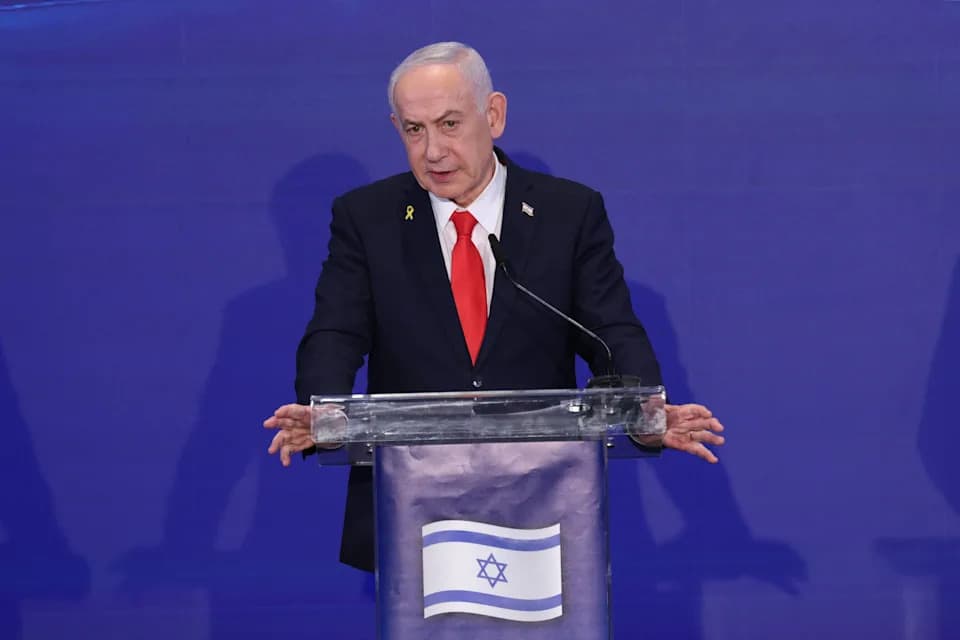
Israeli Prime Minister Benjamin Netanyahu said on Sunday he expects the second, more challenging phase of the US-brokered Gaza ceasefire plan to begin shortly and confirmed plans to meet US President Donald Trump in Washington later this month.
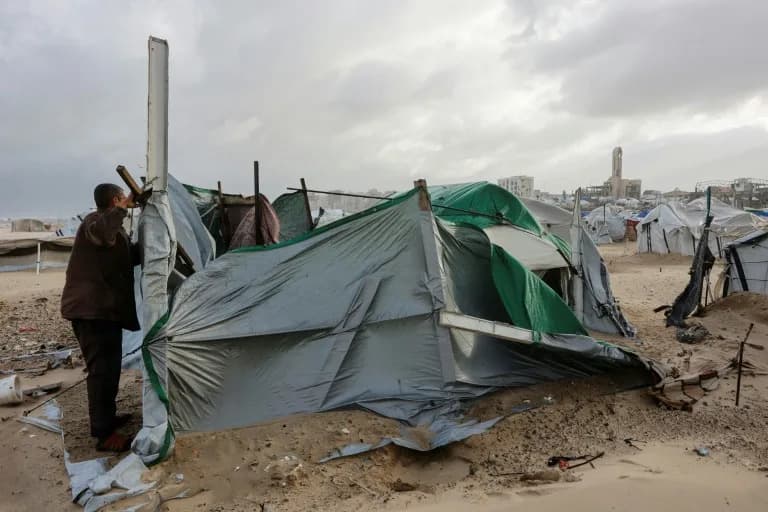
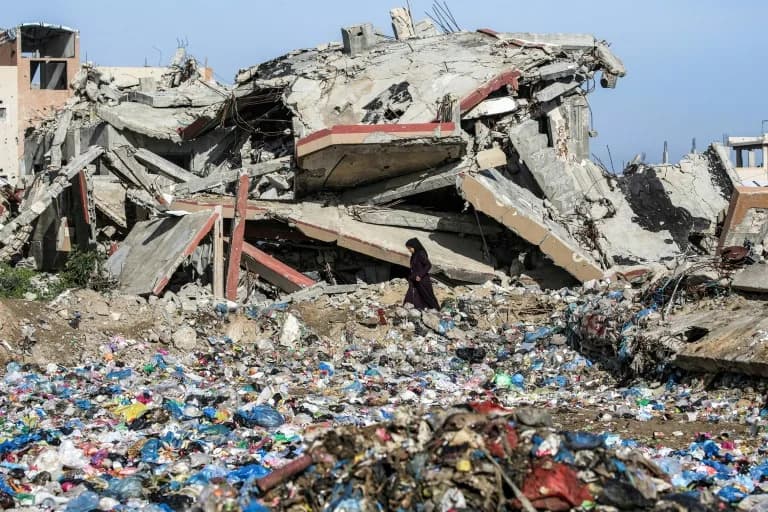
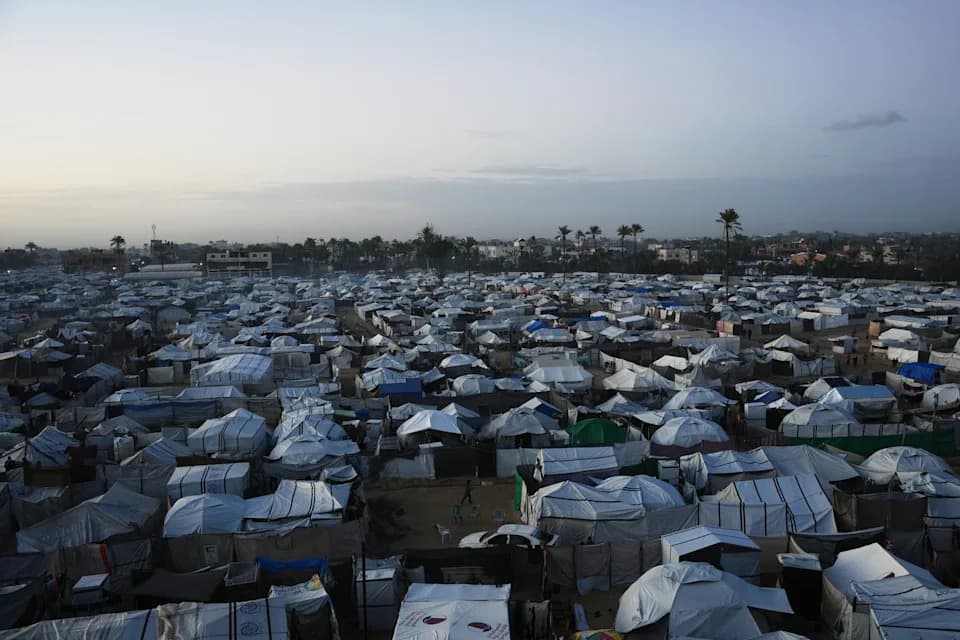
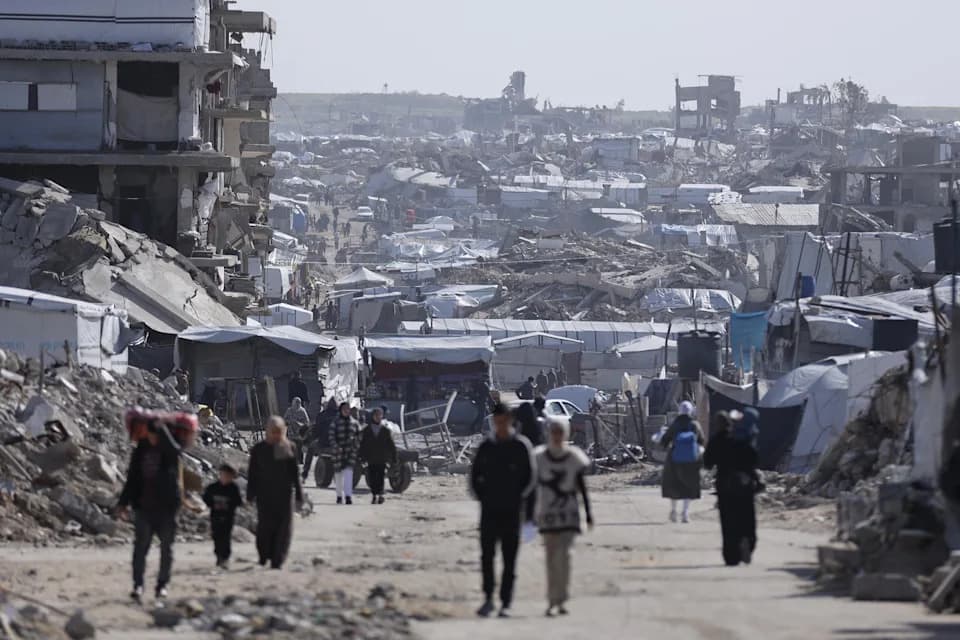
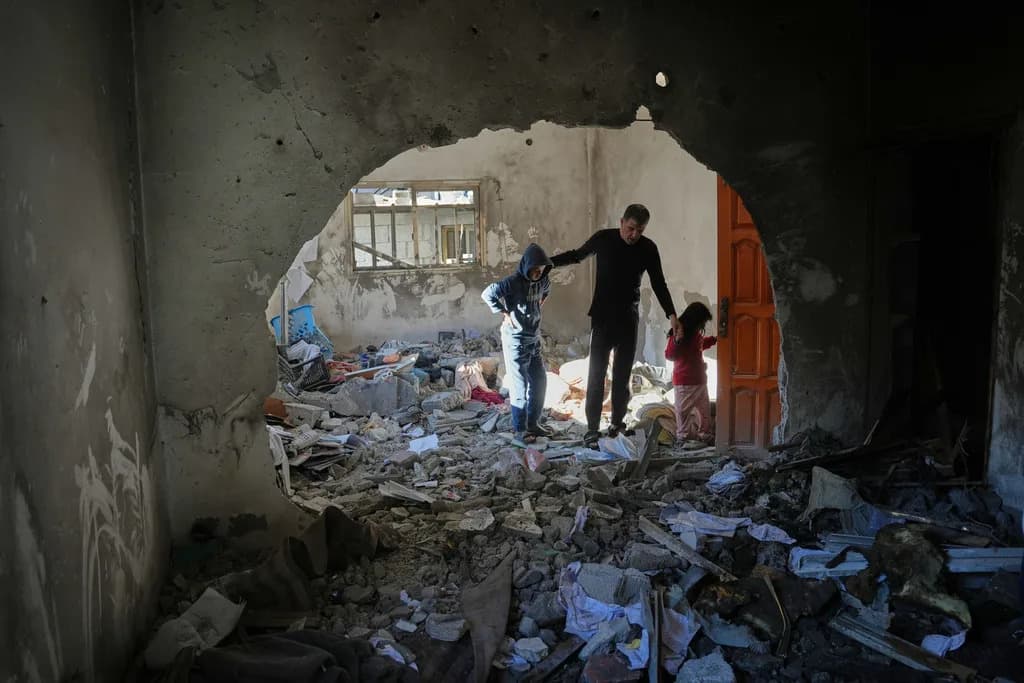
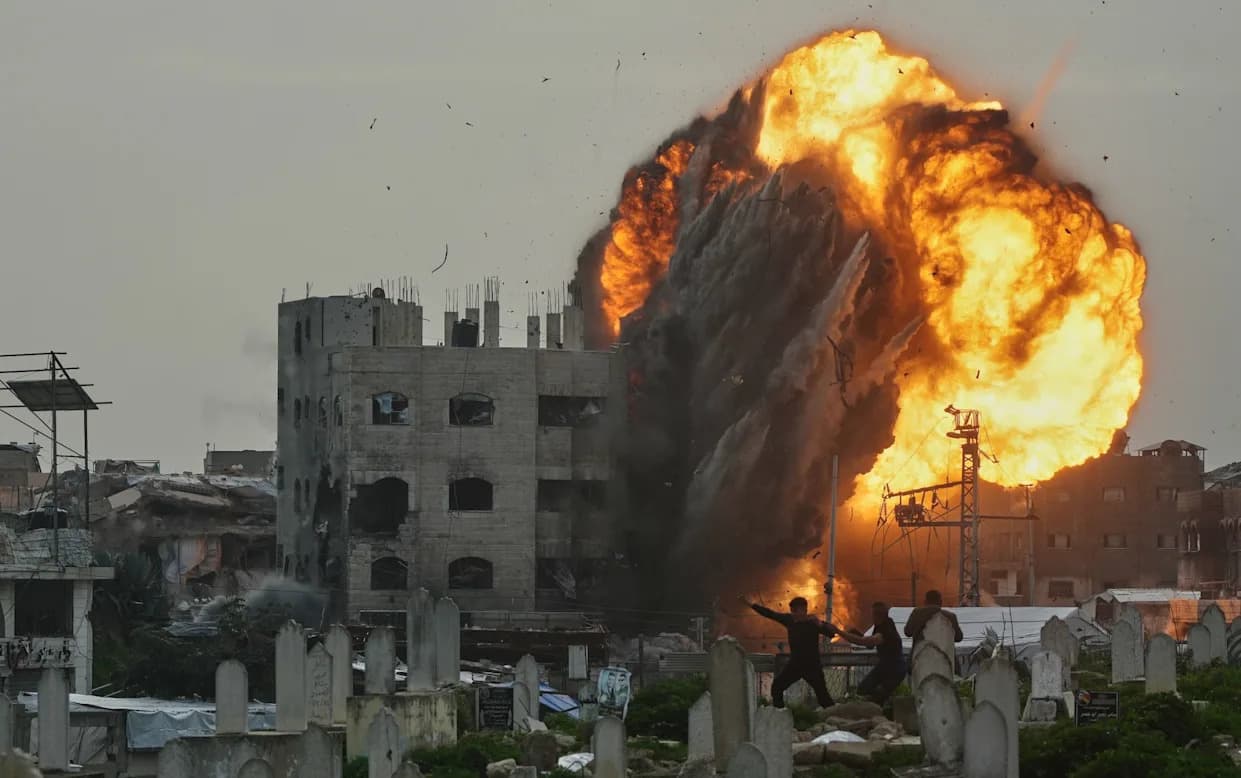
The ceasefire, in effect since October 10, paused the full-scale fighting that followed Hamas's deadly attack on Israel on October 7, 2023. The truce remains fragile, with both Israel and Hamas accusing the other of violations.
Hostage Status: Under the ceasefire terms, Palestinian militants agreed to release captives taken during the October 7 attack. Israeli officials say all hostages have been released except for the body of an Israeli police officer.
First Phase Measures: Initial steps included an Israeli pullback to positions behind a so-called "Yellow Line" within Gaza. Israel's military chief, Lieutenant General Eyal Zamir, described the demarcation as a "new border line." Israel still exercises control over significant parts of the territory.
"We very shortly expect to move into the second phase, which is more difficult," Netanyahu said after meeting German Chancellor Friedrich Merz in Jerusalem.
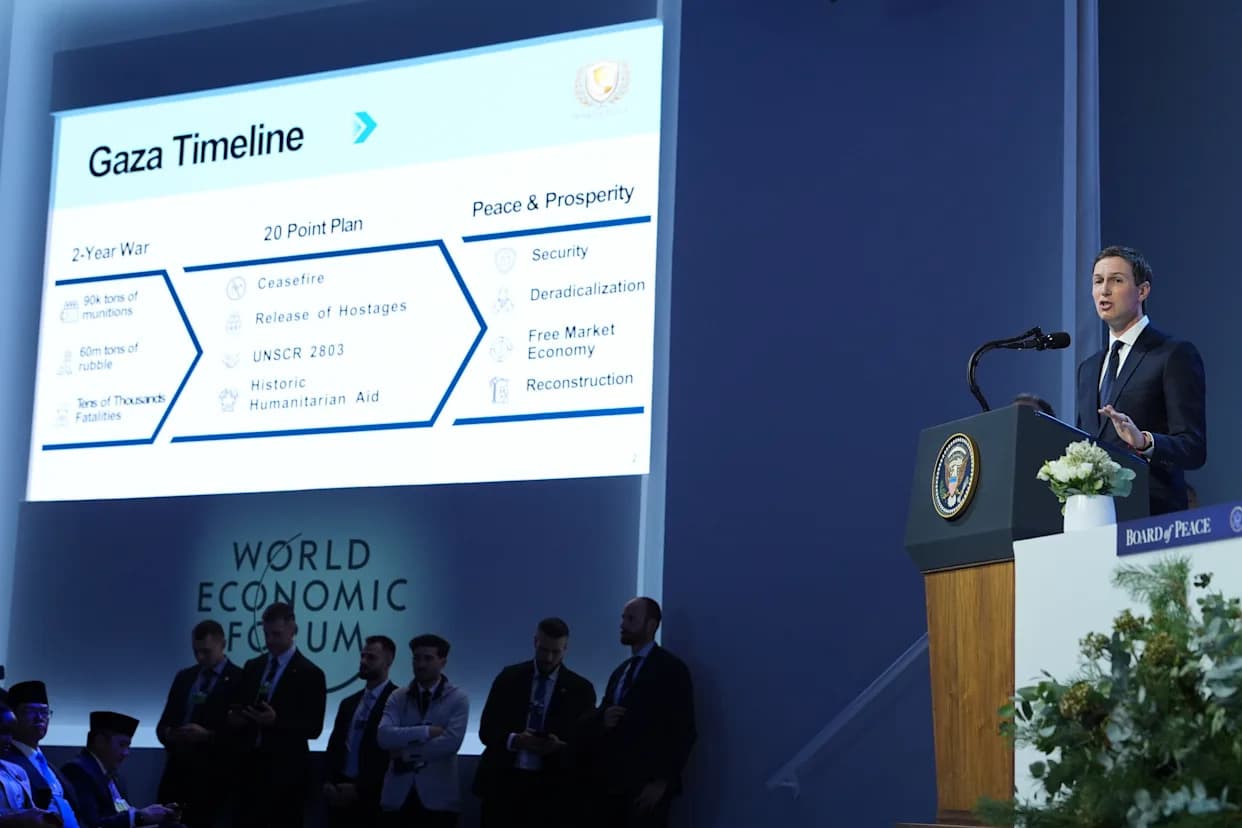
What Phase Two Entails: The planned second phase focuses on disarming Hamas, further Israeli withdrawals as a transitional Palestinian authority is formed, and the deployment of an international stabilization force. The agreement envisions a phased Israeli withdrawal if agreed conditions are met.
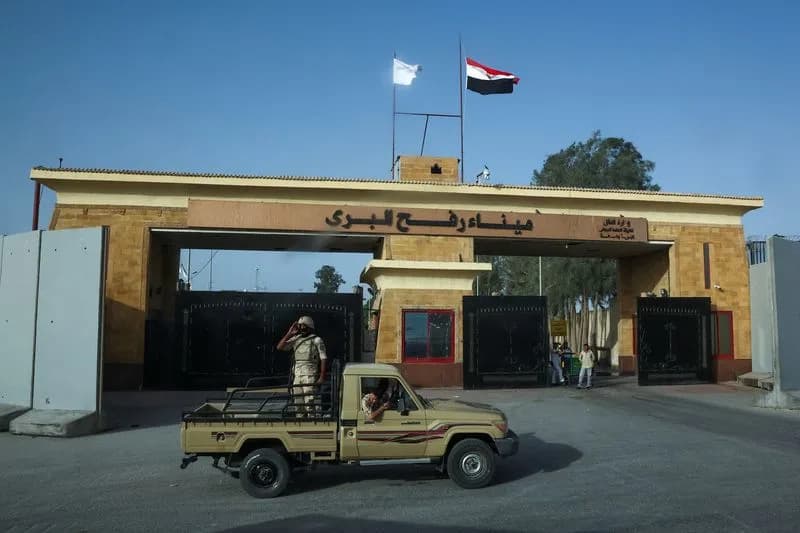
Regional Diplomacy and Aid: Qatar and Egypt, which helped broker the truce, urged that the next steps include withdrawal of Israeli forces. Hamas said it would hand over weapons to a Palestinian authority only if the Israeli occupation ends. Netanyahu said he will travel to Washington later in December to discuss "opportunities for peace" with President Trump.
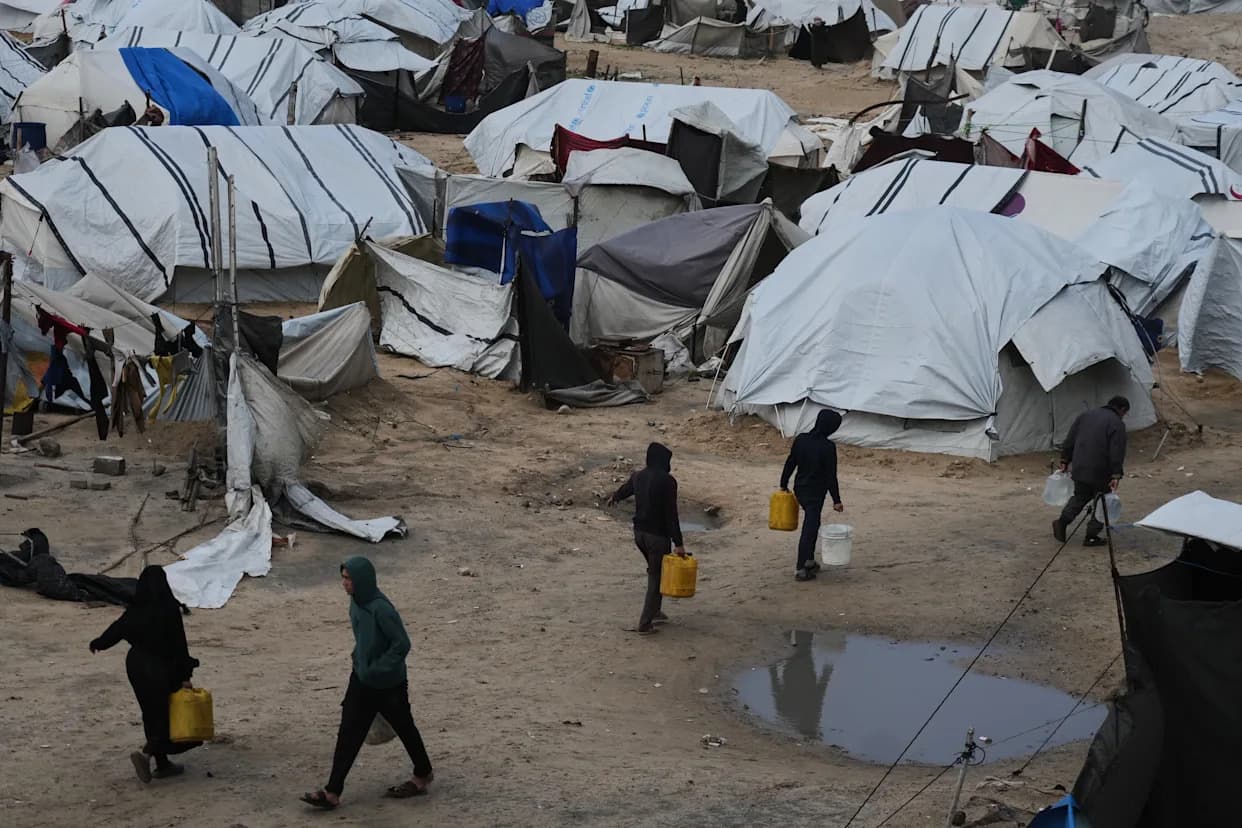
International Visits: German Chancellor Friedrich Merz visited Jerusalem and the Yad Vashem Holocaust memorial, reiterating Germany's support for Israel while urging more humanitarian aid to Gaza and backing a two-state solution. EU foreign policy chief Kaja Kallas and US Ambassador to the UN Mike Waltz were in Jordan coordinating relief; Waltz is due to travel on to Israel.
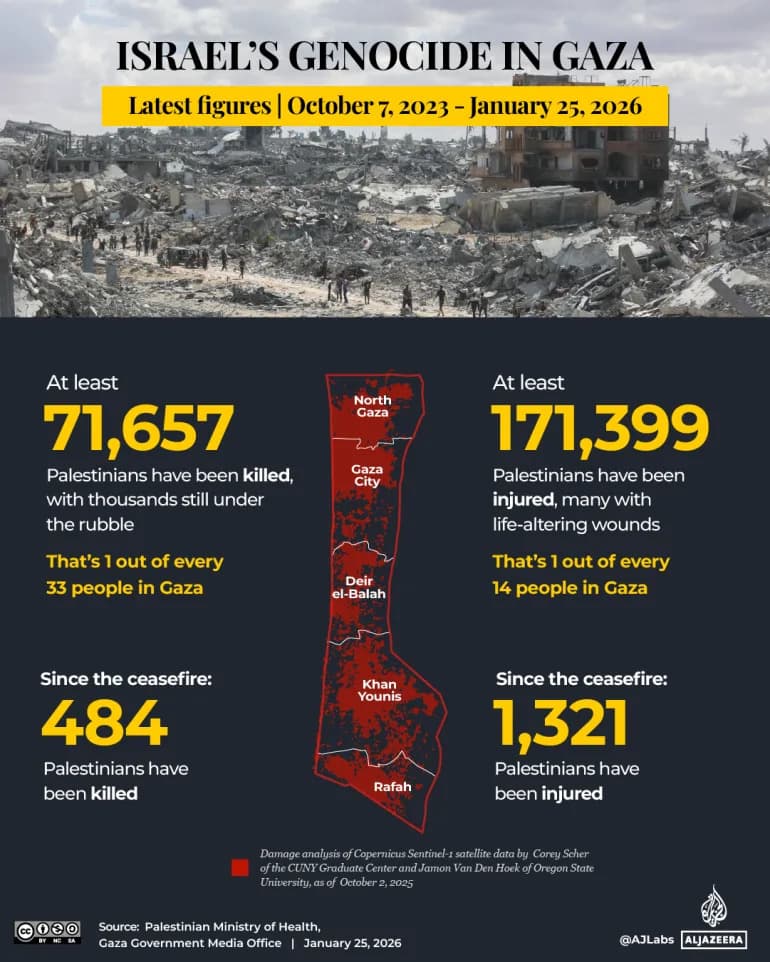
Casualties And Controversy: Local Gaza health authorities reported more than 360 Palestinian deaths since the truce took effect, and Israel has reported three soldiers killed during the same period. The broader conflict began with Hamas's October 7 attack, which an AFP tally based on official Israeli figures said killed 1,221 people, mostly civilians.
Legal Issues: Netanyahu faces an arrest warrant from the International Criminal Court over alleged war crimes in Gaza. He dismissed the warrant's relevance to state visits, saying, "I am not going there because of an ICC decision." Chancellor Merz has indicated he would invite Netanyahu and said he would not be arrested during a visit.
This article summarizes official statements and public reports about the ceasefire process and related diplomacy as of the most recent announcements.
Help us improve.