Qatar's Prime Minister, Sheikh Mohammed bin Abdulrahman bin Jassim Al Thani, told the Doha Forum that inclusive engagement — including with non-state actors like Hamas — is essential to achieve lasting regional peace. He defended Qatar's role hosting political offices for Hamas and the Taliban, saying both were established to facilitate communication and potential negotiations. Sheikh Mohammed denied that Qatari aid to Gaza was diverted to Hamas, pledged continued support for Palestinians, and opposed any forced displacement. He also said Qatar will not shoulder the full cost of reconstruction and called recent attacks on Qatari mediation efforts "unethical."
Qatar’s Prime Minister: Engage All Parties — Including Hamas — To Secure Regional Peace

Doha Forum: Qatar Calls For Inclusive Engagement To End Regional Conflict
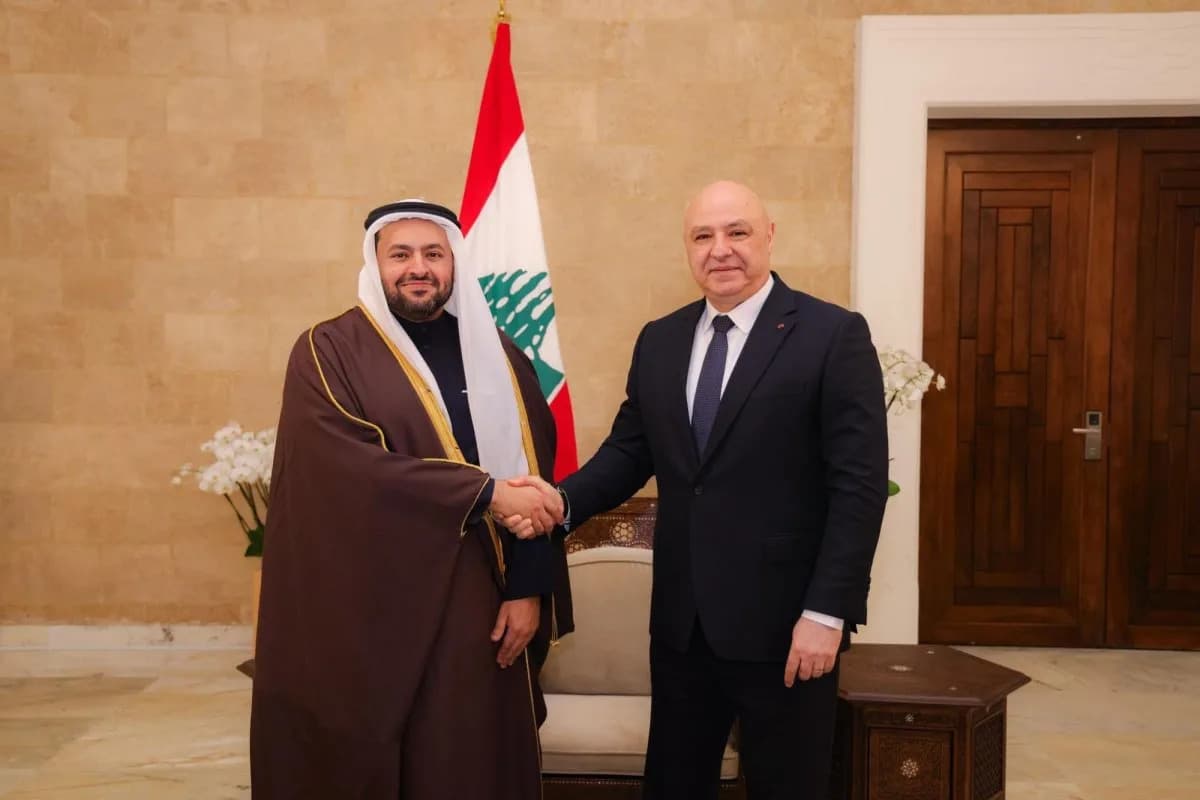
Doha, Qatar — Qatar's Prime Minister and Foreign Minister, Sheikh Mohammed bin Abdulrahman bin Jassim Al Thani, told U.S. journalist Tucker Carlson at the Doha Forum that meaningful negotiations require contact with all parties, including non-state actors such as Hamas. He argued that excluding key actors makes durable peace unattainable.
Sheikh Mohammed traced Qatar's engagement with Hamas back more than a decade, saying the 2012 opening of the group's office in Doha was intended to maintain communication channels that could facilitate ceasefires and humanitarian access. He stated that the decision to host the office followed a U.S. request to improve lines of dialogue.
"When they [Hamas] moved their office back in 2012 here [Qatar], it was used only for communication and to facilitate ceasefires and aid to Gaza," the prime minister said.
He also noted that Qatar has hosted the Taliban's political office since 2013, which — like the Hamas presence — he said was established in response to international requests to create a venue for potential negotiations during active conflicts.
Addressing allegations that Qatari aid to Gaza was diverted to Hamas, Sheikh Mohammed rejected those claims and emphasised that assistance was directed to civilians through transparent mechanisms that involved coordination with international partners.
"All our aid, financing, and all our support … went to the people in Gaza, and was a very transparent process that the United States is very aware of … [and] Israel was the one facilitating," he said, adding that such communication had helped secure ceasefires and the release of hostages.
Discussing an attack on Qatari territory in September that he described as unprecedented, Sheikh Mohammed called the incident "unethical" and said a mediator should be a neutral and protected venue for negotiations.
He said former U.S. President Donald Trump reacted strongly when informed of the strike, directing an adviser to contact Doha and expressing frustration, according to Sheikh Mohammed's account.
On reconstruction in Gaza after the conflict that began on October 7, 2023, Sheikh Mohammed said Qatar would continue supporting the Palestinian people and work to alleviate suffering, but would not alone underwrite reconstruction costs for damage caused by others.
"Our position is that our payments will go only to help the Palestinian people, if we see that the help coming to them is insufficient," he said, drawing a comparison with expectations placed on Russia to fund reconstruction in Ukraine.
Sheikh Mohammed also firmly opposed any forced displacement of Palestinians from Gaza. He emphasised that Palestinians do not want to leave their homeland and that no party has the right to deport or force them to relocate.
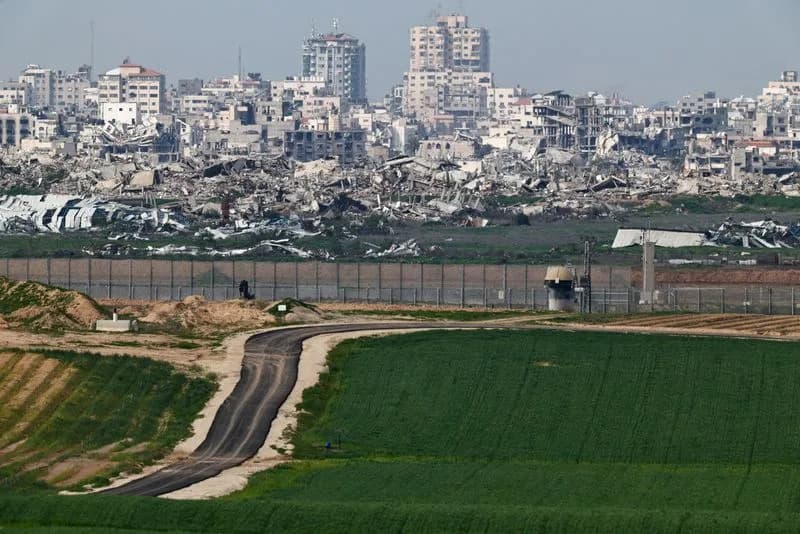
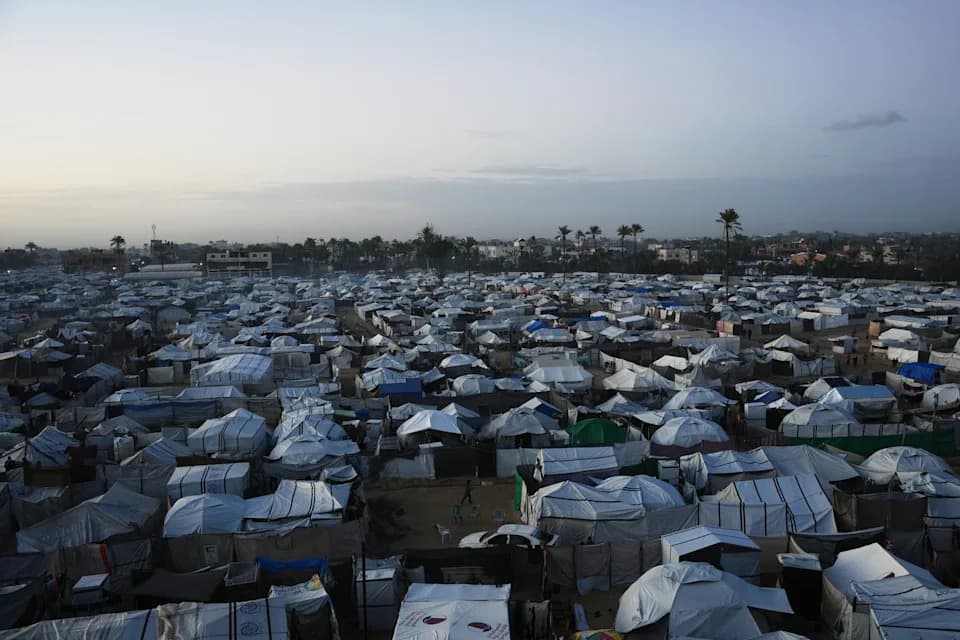
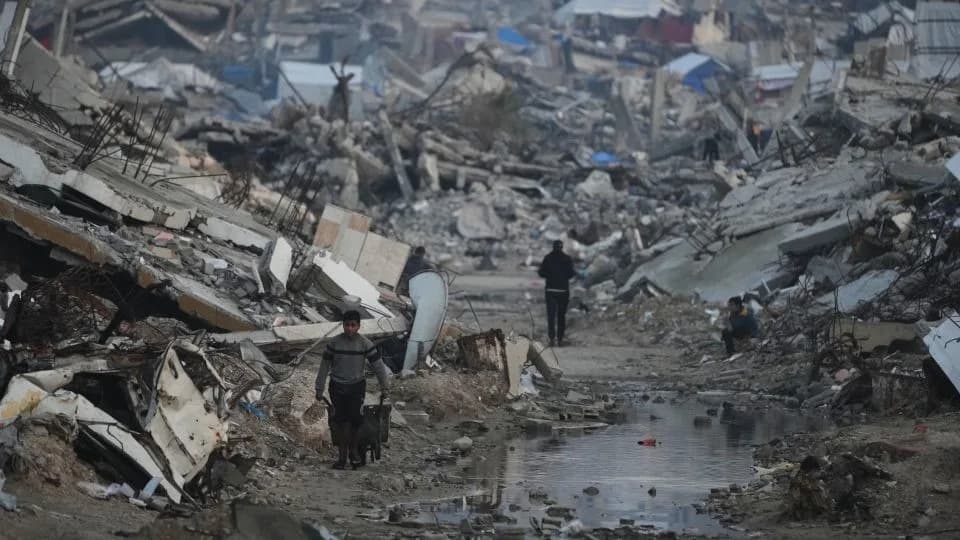
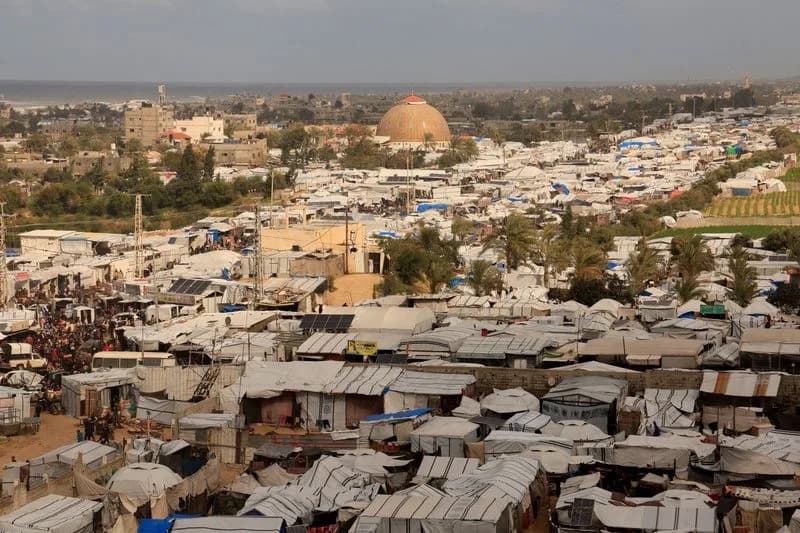
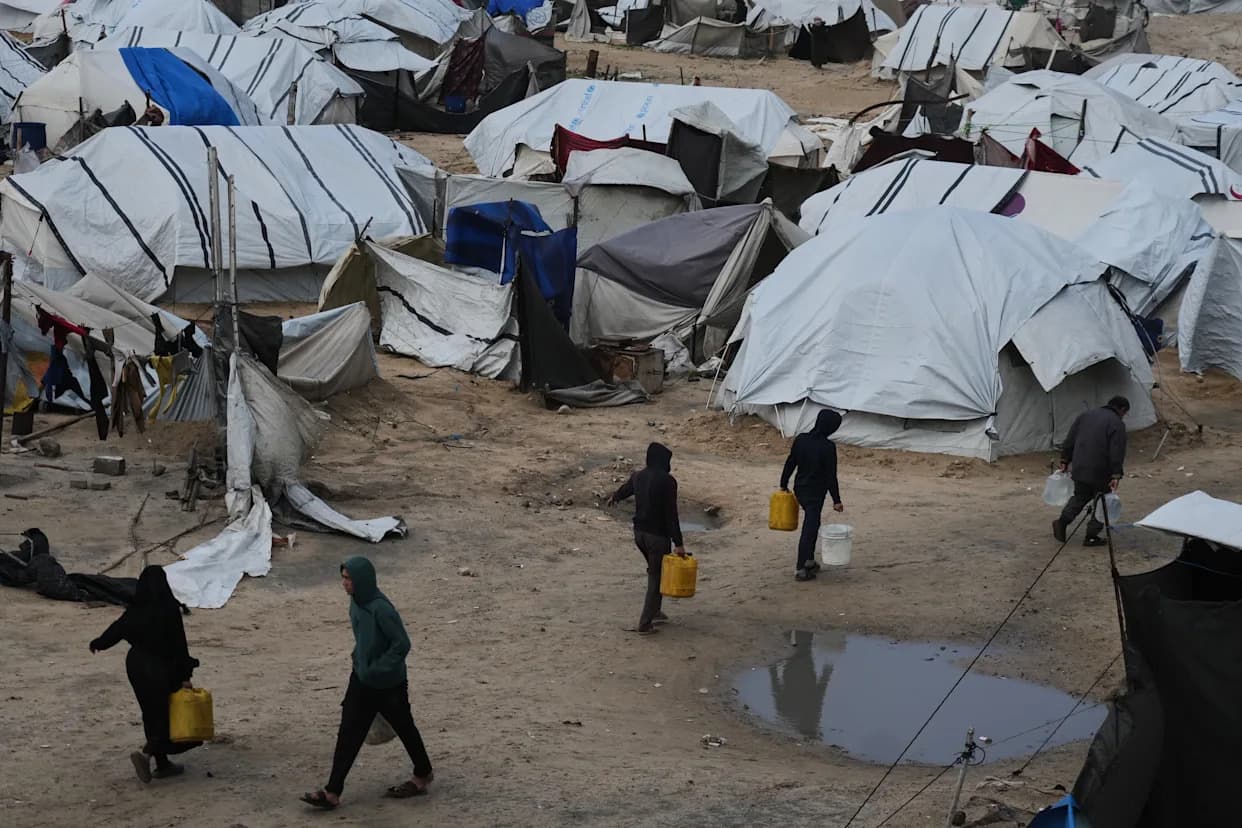
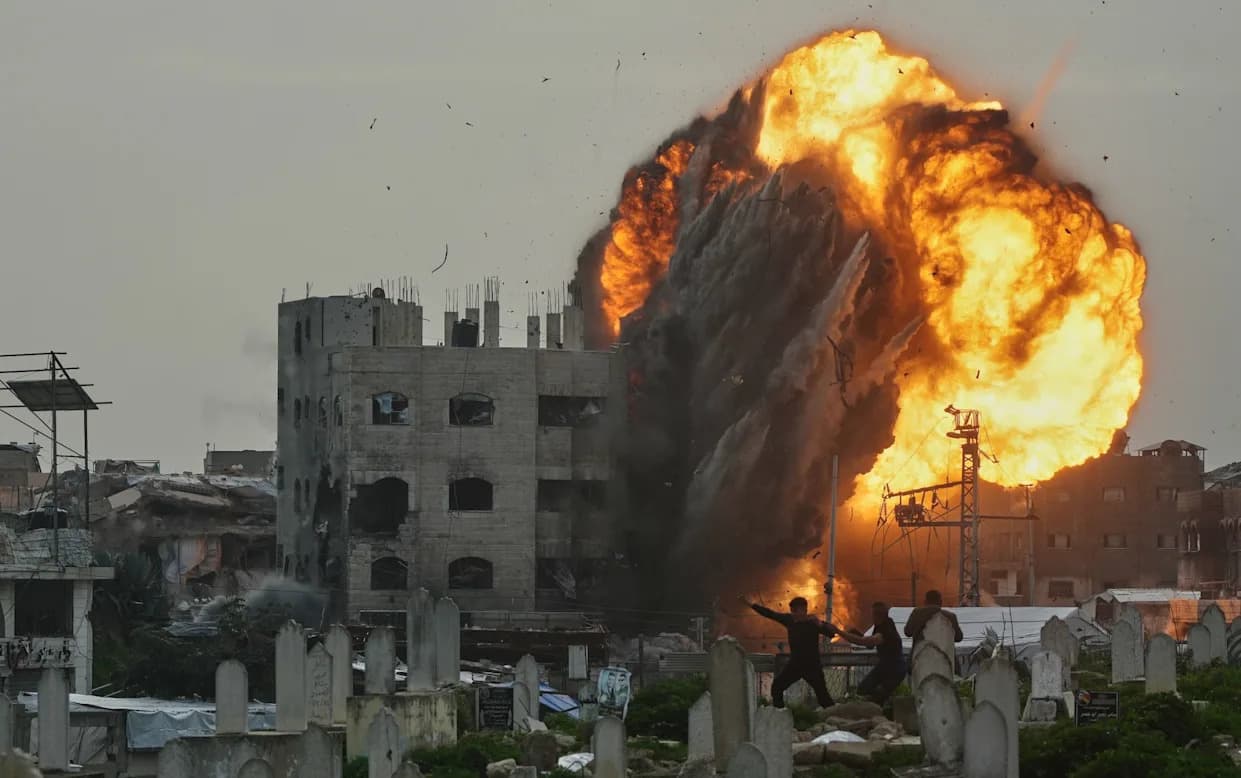
Citing United Nations estimates, the article noted that around 92 percent of residential buildings in Gaza have been damaged or destroyed since the fighting that began on October 7, 2023, producing an estimated 55–60 million tonnes of rubble and leaving reconstruction that could take decades.
Context And Takeaways
This interview underscores Qatar's long-standing role as a mediator and interlocutor in several conflicts, its defence of humanitarian assistance mechanisms to Gaza, and its insistence on inclusive engagement as a prerequisite for durable peace.
Help us improve.