Hamas has introduced a new market-trader tax and a series of levies across Gaza that civilians say are adding significant financial strain. Israeli intelligence now believes Hamas preserved substantial cash reserves during the conflict—backed in part by pre-war transfers from Qatar—allowing it to keep paying officials and maintain control. Analysts warn the funds could sustain fighters and Gaza's administration, complicating reconstruction and political plans under the phase-two initiative. Displaced Gazans face rising costs and deepening hardship.
Hamas Imposes Heavy New Taxes on Gaza Traders as It Rebuilds War Chest
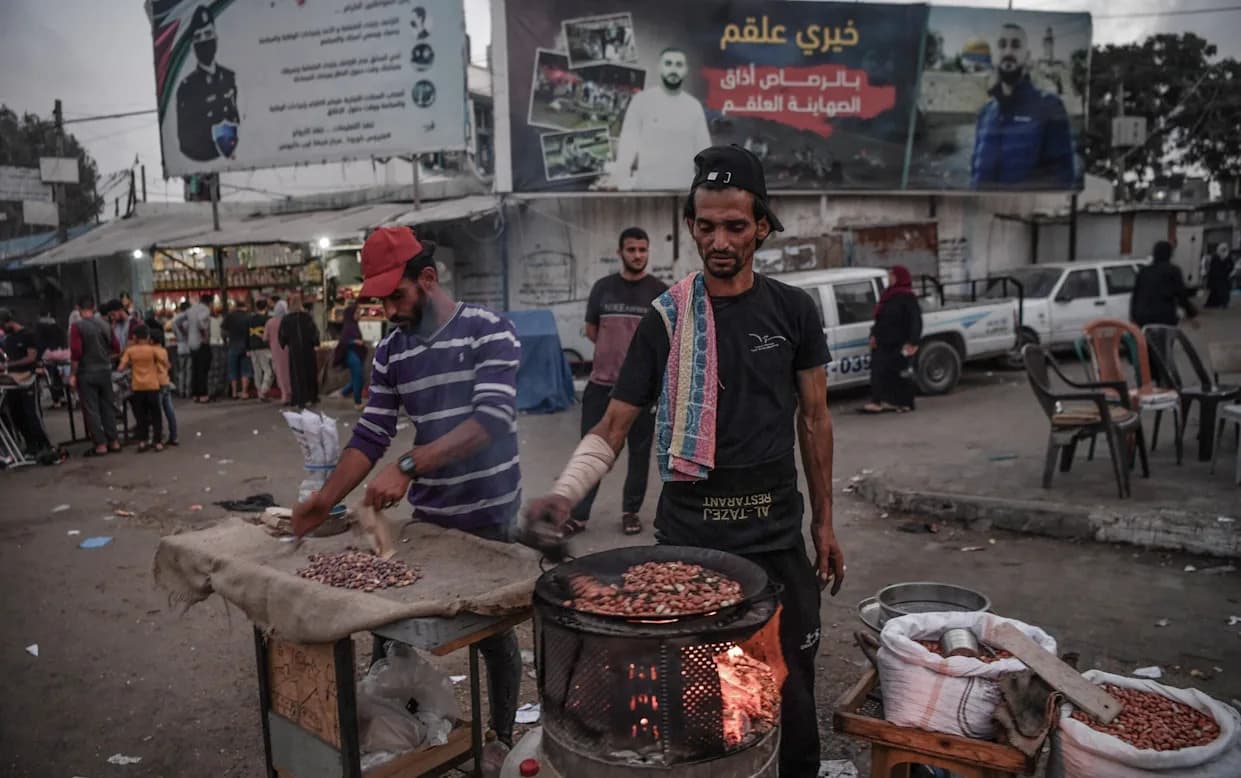
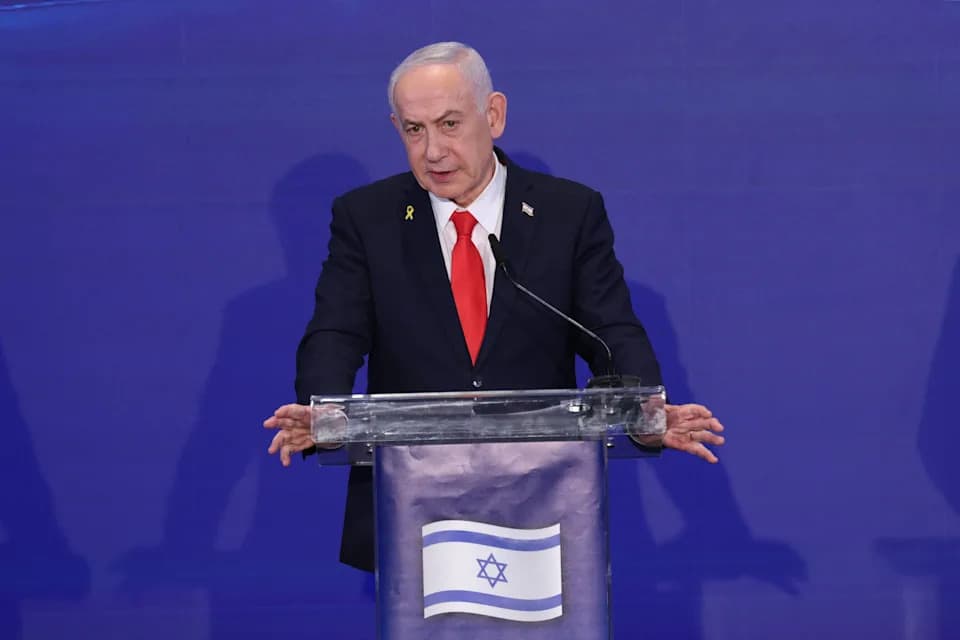
Hamas’s tax on market traders is part of a host of new levies and extortion which has allowed the terror group to repenish its coffers - Getty Images/Abed Zagout
A Gaza City street vendor said he was only just beginning to recover from the conflict when Hamas officials demanded a fresh levy of more than £470 a month. "We survived the war, but now it feels like they want us to die from despair," the vendor told The Telegraph anonymously. "We have been displaced for two years. We have nothing left to lose."
New Levies, Fees and Reported Extortion
Announced in January, the market-trader tax is part of a broader surge in levies, fees and reported extortion that Gazans say Hamas has rolled out to replenish its finances. Residents describe doubled duties on imported goods entering under the ceasefire arrangements, steep cuts taken by currency-exchange and tobacco businesses, and other charges imposed on everyday transactions.
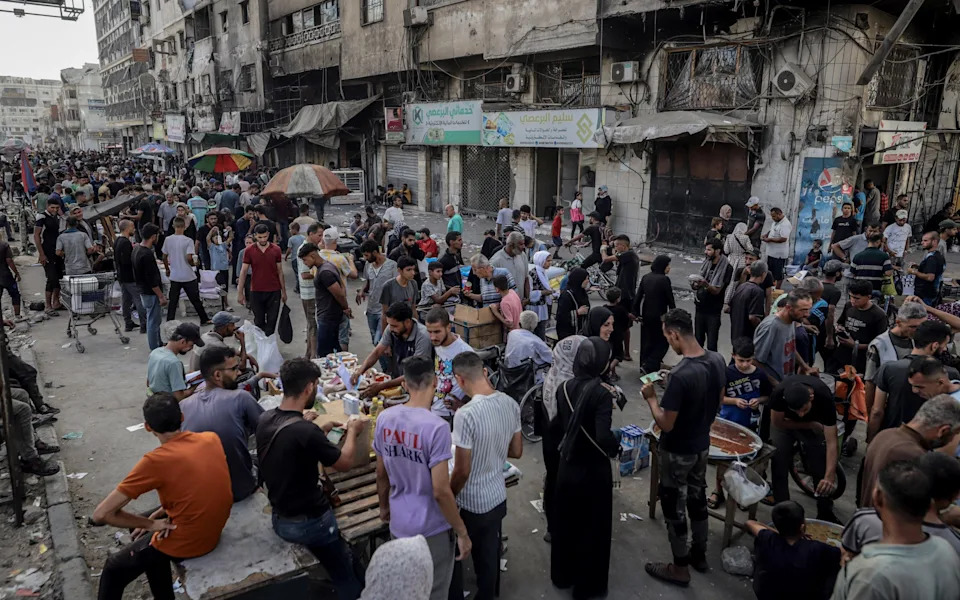
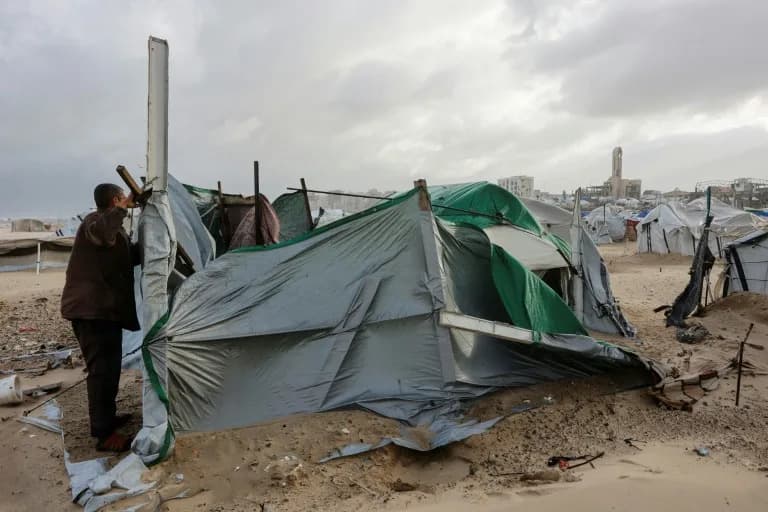
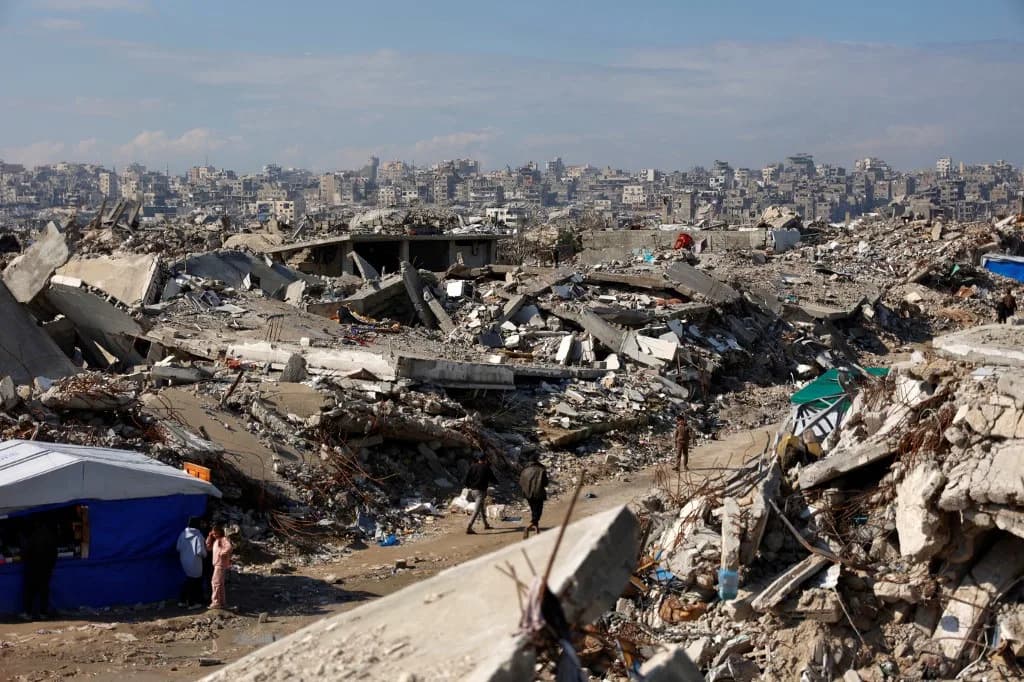
The new taxes are hitting ordinary Gazans hard - Getty Images/Saeed M. M. T. Jaras
"This tax-based economy does not seek to strengthen the national economy or ease citizens' suffering," said Dr Ahmed Mohammed Murtaja, a Palestinian security analyst. "Instead, it is an exploitative system that burdens the population and deepens the crisis in the Gaza Strip."
How The Collections Work
Analysts say roughly two-thirds of trucks permitted into Gaza each day are private commercial vehicles rather than UN or NGO aid convoys. According to those analysts, Hamas has been demanding upfront cash payments equal to about 15–20% of the declared value on many private goods trucks, and then taxing sales in local markets at rates that can reach around 30% in some districts.
Tobacco has been particularly affected: shortages since the start of the war pushed the price of a packet to about $40–$60, and witnesses told The Telegraph that traders have at times been kidnapped and forced to surrender a share of their profits.
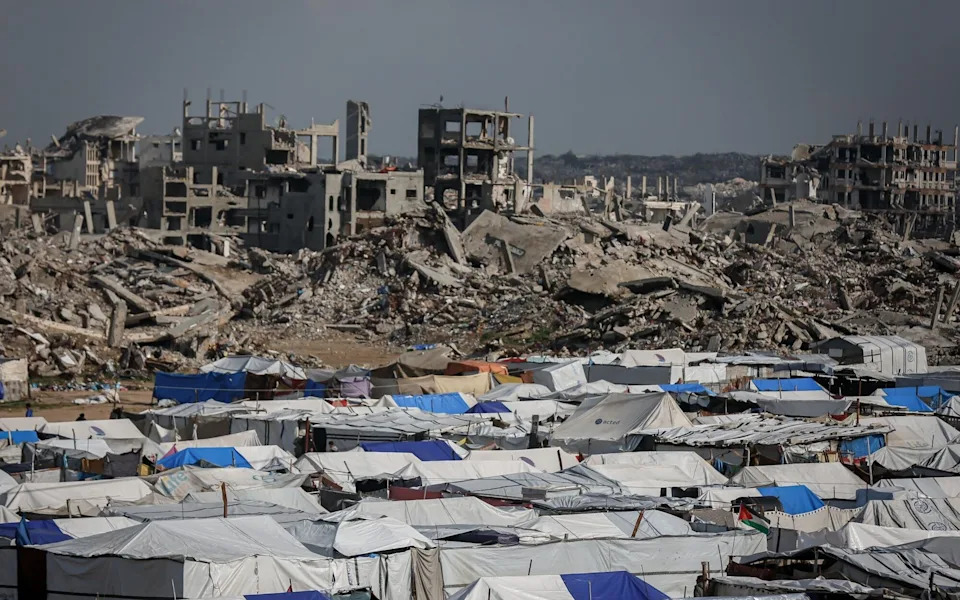
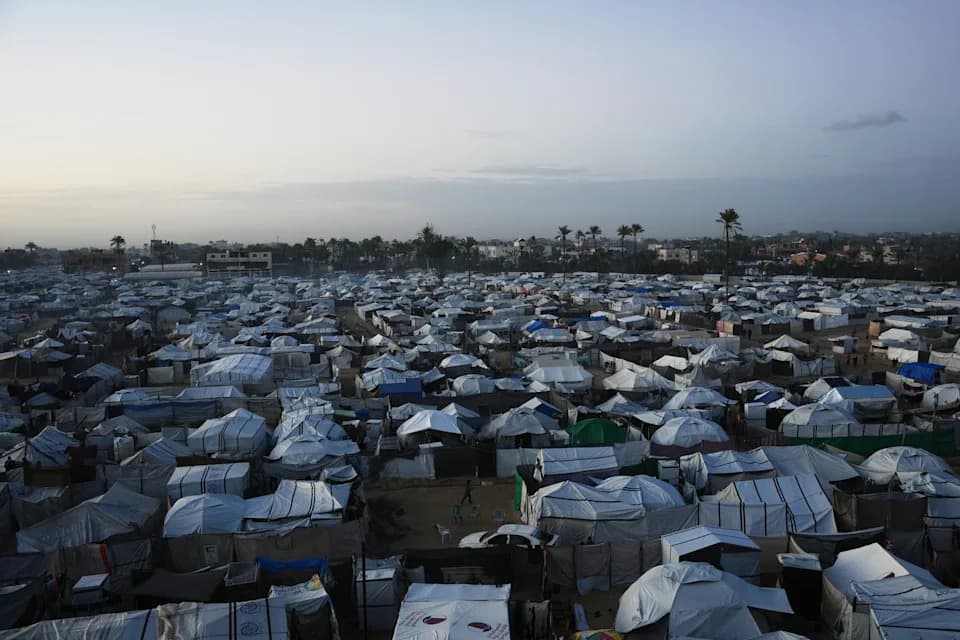
While vast numbers of the civilian population languish in tents the cost of living is rising - Bloomberg/Ahmad Salem
Revised Intelligence Assessments
Israeli intelligence officials have revised their view of how Hamas managed finances during the war. They now believe the group preserved substantial cash reserves in tunnel networks and other caches. Some speculative figures cited in media reports have been as high as £250bn, but those numbers are debated and should be treated cautiously.
Israeli sources told The Telegraph they fear Hamas's financial depth could allow it to sustain officials and operatives for a prolonged period. An IDF officer said Hamas resumed salary payments in recent months of roughly 800–1,500 shekels a month (about £187–£351) and continued to pay some senior officials around the equivalent of £400.
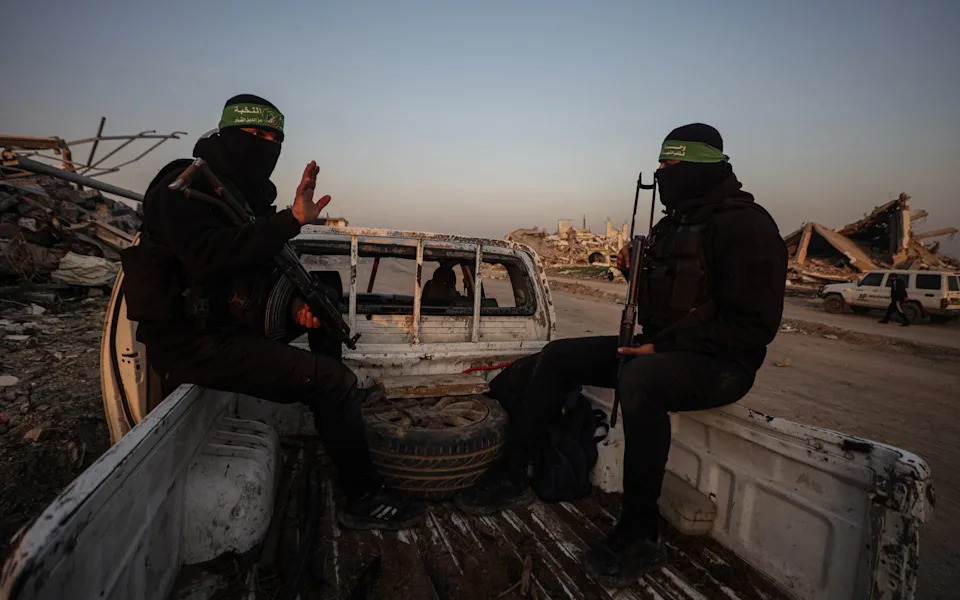
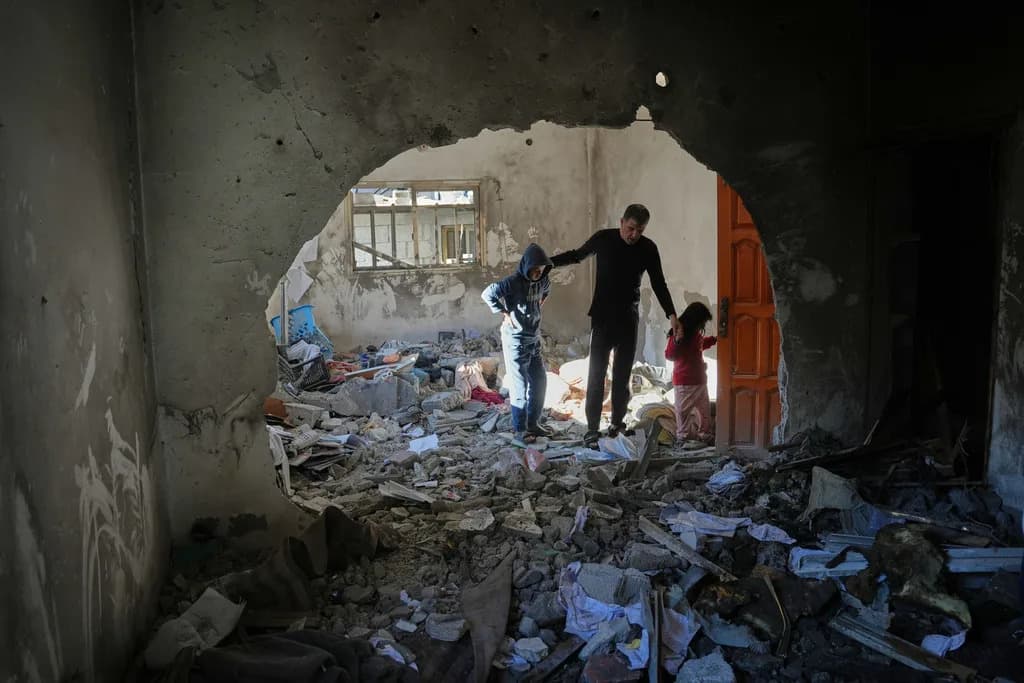
Hamas’s taxes do not bolster the economy or aleviate Gazans’ suffering, they only help the terror group’s grip on the Strip - Shutterstock/Omar Ashtawy
Intelligence assessments also point to pre-war transfers—reported at about $30m a month from Qatar—as a major funding source that helped build reserves prior to the conflict.
Bank Looting and Underground Cash
IDF planners reportedly regret not targeting the Gaza Central Bank early in the conflict; Israeli officials say Hamas looted parts of the institution and moved large sums underground into tunnel systems that were not located during the ground offensive. Those cash reserves are cited as one factor allowing Hamas to maintain civil-administration functions and payments.
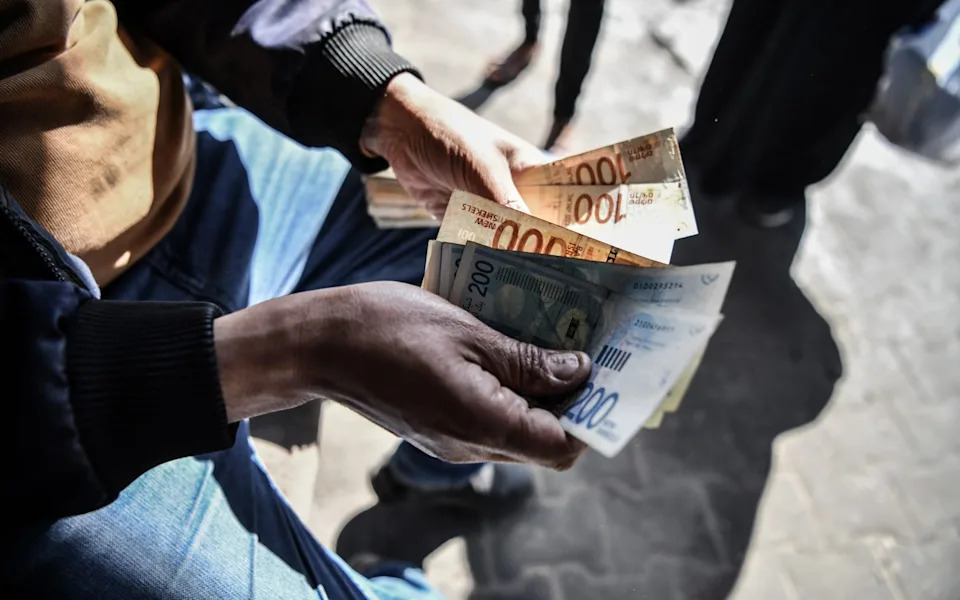
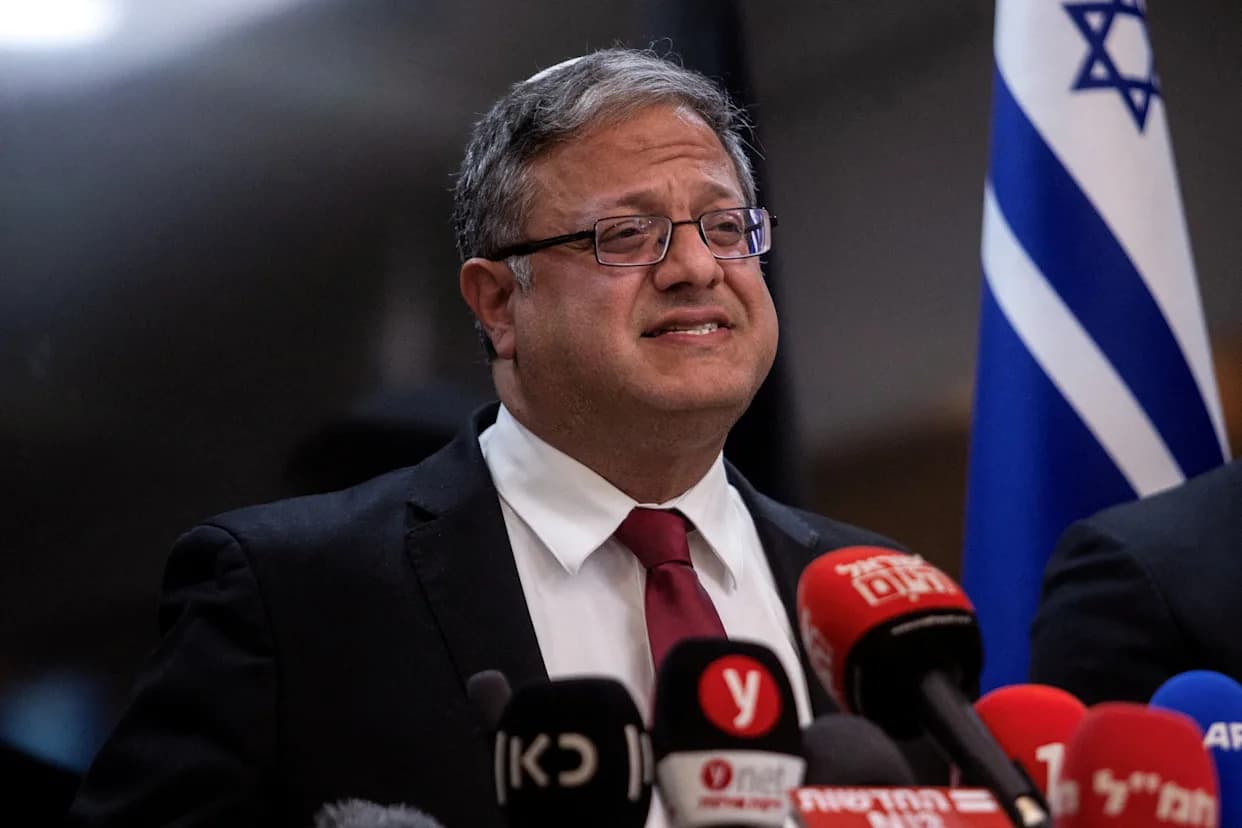
During the war, Hamas was able to continue to pay officials as much as £350 a month - Getty Images/Abed Zagout
Political and Human Consequences
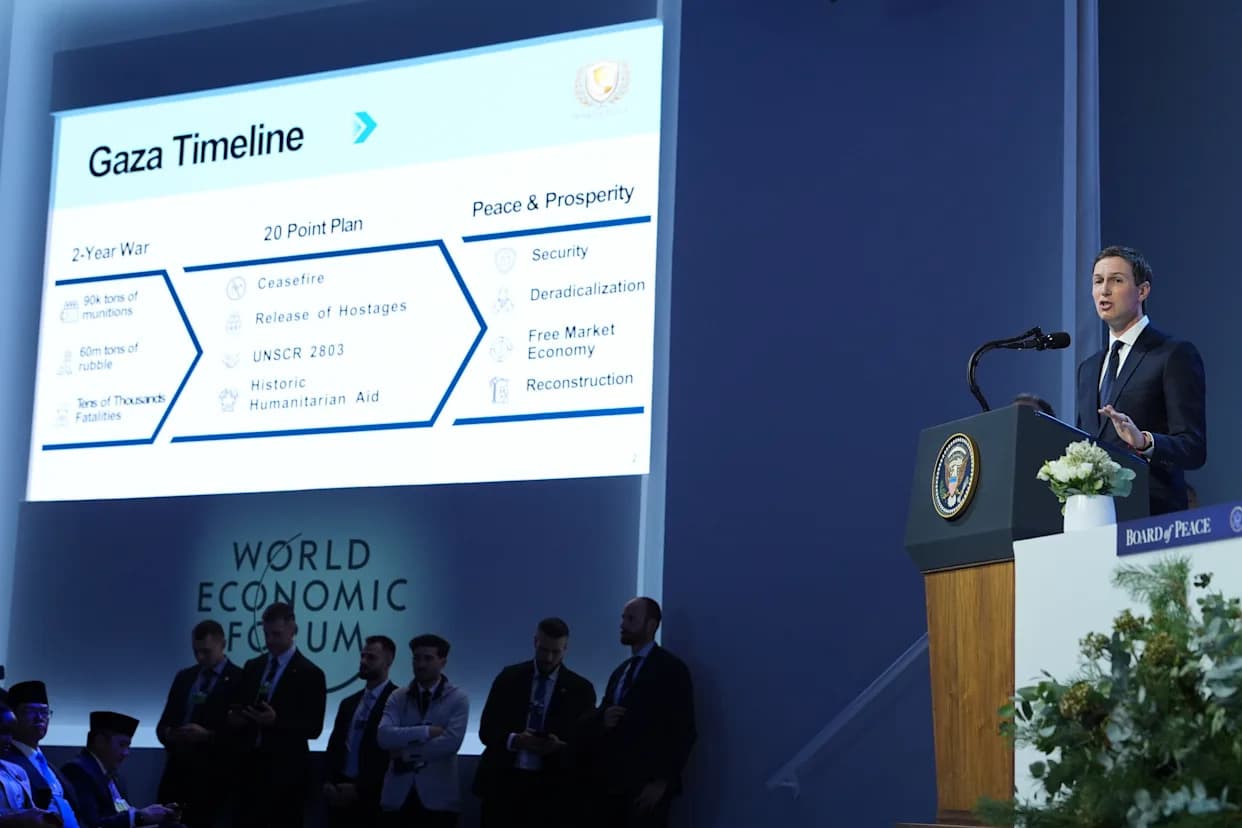
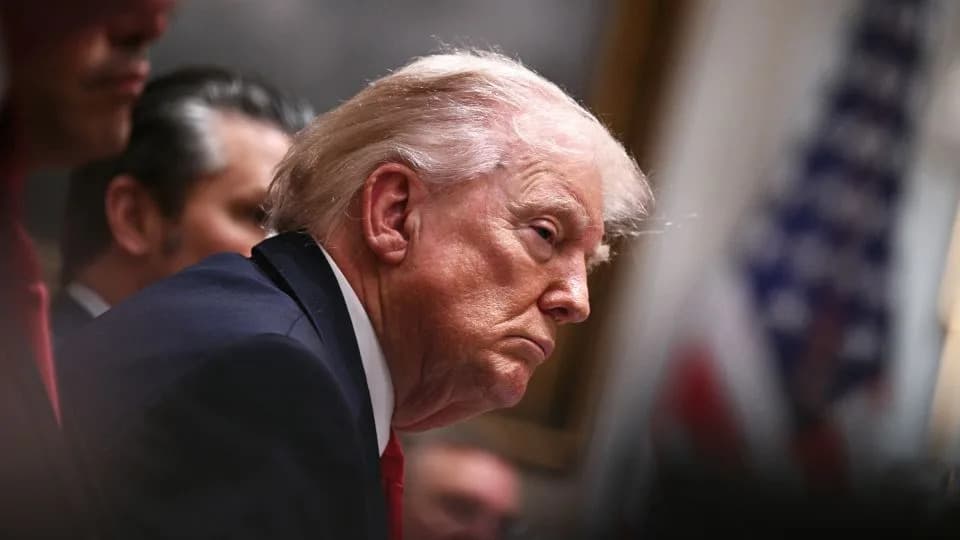
As U.S. President Donald Trump announced the start of "phase two" of his 20-point peace plan, the financial picture has raised concerns about the plan's practical reach. The plan's Board of Peace and its executive board—which includes figures such as Sir Tony Blair and a newly formed Palestinian technical committee—may face a choice: work with local institutions that remain under Hamas influence or restrict reconstruction to areas under direct Israeli control.
Hamas negotiators have engaged in talks in Cairo and have indicated a willingness to cede formal control of some institutions to a technical committee. But without verifiable disarmament, Israeli officials and other observers warn that Hamas could remain the effective power behind Gaza's administration.
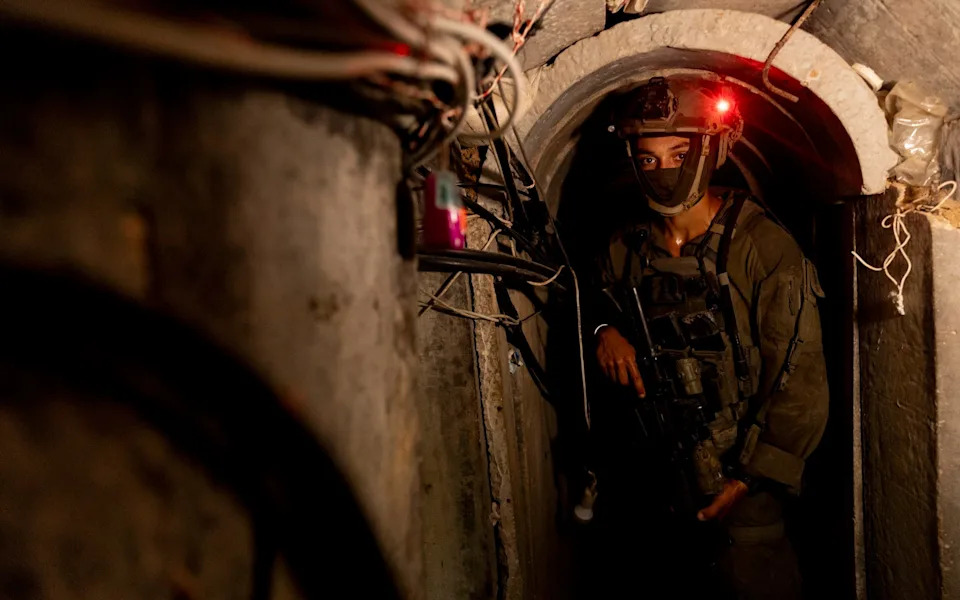
The IDF thinks the amount of cash Hamas may still have in its tunnels could be as high as £250bn - Getty Images/Amir Levy
Human Cost
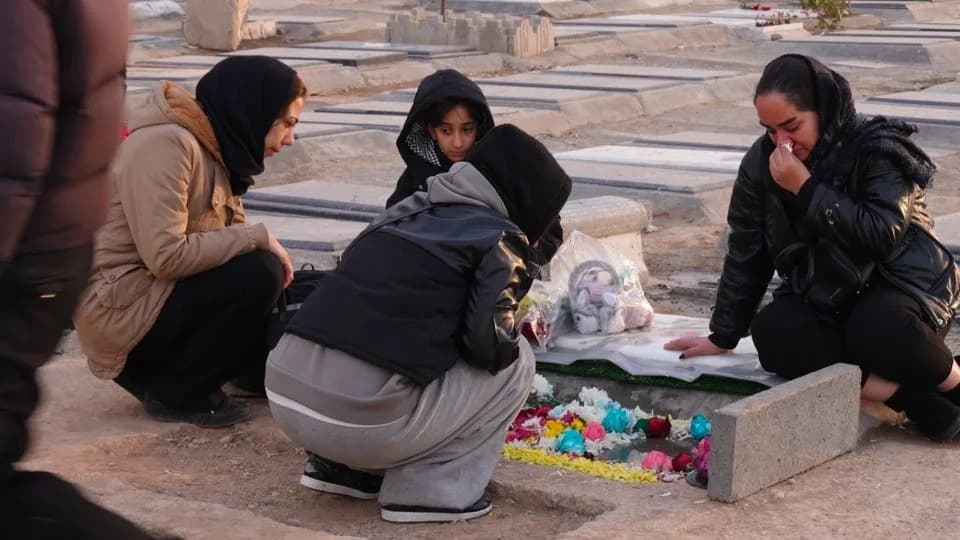
For Gaza's civilians—many displaced and living in tents—the added tax burden raises the cost of basic goods and deepens economic hardship. Traders and small businesses face upfront levies and market taxes while broader reconstruction and political processes remain uncertain.
Note: This article summarizes reporting from The Telegraph and statements by Israeli and Palestinian officials and analysts. Some financial figures cited in public and media reports are disputed and should be treated as estimates rather than established fact.
Help us improve.