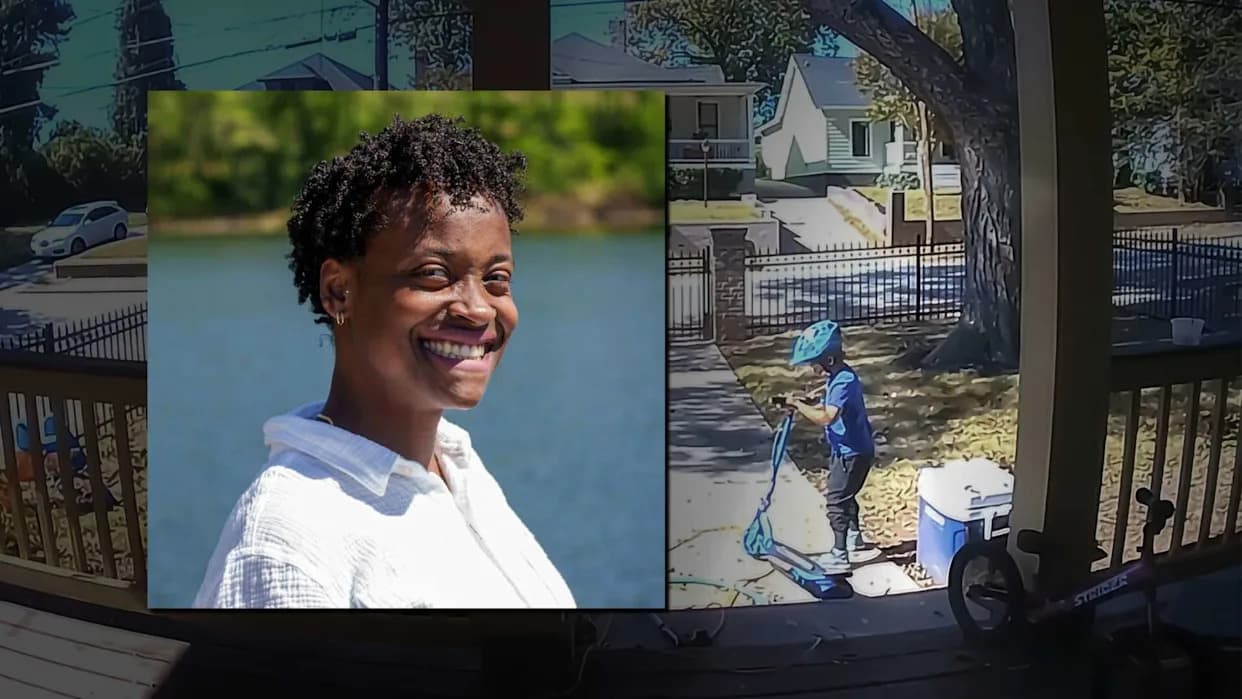
Sameule Jenkins of Gastonia, North Carolina, is scheduled to return to court after his 7-year-old son, Legend, was struck and killed by a car. Both parents were arrested and later accepted a plea to felony child neglect; parole terms include parenting classes, twice-monthly drug tests and an ankle monitor for Jenkins. Advocates argue the case illustrates how tragic accidents can be treated as crimes and point to 'Reasonable Childhood Independence' laws passed in 11 states as a model to protect ordinary parenting judgments. Jenkins now lives in sober housing, the children are with relatives, and community support has helped the family as the legal process continues.
Grieving Father Faces New Court Date After Son’s Death; Advocates Say Tragedy Is Being Treated As Crime

Father Returns To Court After Son's Fatal Accident
Sameule Jenkins of Gastonia, North Carolina, is due back in court this month on charges that stem from his arrest following the fatal traffic crash that killed his 7-year-old son, Legend. The case has drawn national attention and prompted debate over when a heartbreaking accident becomes criminal neglect.
What Happened
Last spring, Jenkins and his wife, Jessica Ivey Jenkins, allowed their 10- and 7-year-old sons to walk a few blocks to a grocery store and back. Jenkins says he stayed on the phone with his older son the whole trip to ensure their safety. When the younger boy, Legend, ran into the street and was struck by a car, he died later that night.
Arrest, Charges, And Plea Deal
Both parents were arrested and initially charged with involuntary manslaughter and child neglect, with bail set at $1.5 million each. They remained in custody while Legend was prepared for burial. After about three weeks in jail, Gaston County prosecutors offered a plea deal: the couple would plead guilty to felony child neglect and be released on parole. Under the agreement, Jessica received 2.5 years of parole and Sameule 3 years.
The plea included conditions such as mandatory parenting classes, twice-monthly drug tests for both parents, and a 6 p.m. curfew plus an ankle monitor for Sameule Jenkins.
Aftermath And Supervision
Three weeks after the crash, Jenkins tested positive for cocaine and marijuana, which he says was an attempt to numb his grief. He reports that he has passed every subsequent drug test and now lives in an Oxford House in Charlotte, a sober living environment where residents commit to abstaining from substances. Because he was not on his family's lease, housing notices forced him to move out of the home he shared with his wife; the couple now live about an hour apart and communicate nightly by FaceTime.
Jenkins was later accused of removing his ankle monitor and failing to respond to law enforcement calls. Officers found the original monitor still fastened to his leg when they arrived, so prosecutors amended the charge to failing to keep the monitor charged and tampering with the strap. He spent eight days in jail and was later fitted with a second monitor.
Community Support And Family Situation
The couple's children are in the care of relatives under an arrangement with the Department of Social Services, and the parents are permitted supervised visits. Friends and strangers have helped with bond money and memorial costs; Jenkins's wife organized an Angel Link fundraiser to assist with funeral expenses. Jenkins also describes a compassionate parole officer who indicated he might be allowed to attend the birth of the couple's new child even if labor occurs during his curfew.
'We got to kiss our son goodbye,' Jenkins recalled after a judge granted a brief release so the parents could be at their son's casket before it was closed. He added, 'I'm blessed,' when reflecting on community help and support.
Legal Debate: Tragedy Or Crime?
Critics argue that forcing a grieving parent to wear an electronic monitor and accept felony convictions treats a tragic accident as a criminal act. The nonprofit Let Grow, which has supported passage of 'Reasonable Childhood Independence' laws in 11 states, says such laws protect parents who make ordinary care decisions and clarify that neglect must involve placing a child in obvious, serious danger—not simply stepping away briefly.
Diane Redleaf, who leads Let Grow's advocacy, contends that labeling Jenkins 'reckless' appears to rest on hindsight rather than an objective assessment of the parents' conduct.
Looking Ahead
Sameule Jenkins says he has worked refurbishing wooden pallets for about three years and wants to return to steady employment, though he worries a criminal record may limit job prospects. The case continues to raise questions about how the criminal justice system should respond to accidental child deaths and where lawmakers should draw the line between culpable neglect and tragic misfortune.
Help us improve.