Mallerie Shirley’s 6-year-old rode his electric scooter about one-third of a mile to a nearby playground on Election Day 2025. A passerby reported him as unsupervised and Georgia’s DFCS later substantiated a neglect finding, citing agency practice that the family says conflicts with 2025 Senate Bill 110. Legal advocates have filed for an administrative review, and the Shirleys remain under a DFCS safety plan requiring constant supervision. The case has prompted debate over how agencies apply the new law and the broader decline in tolerance for children’s independent mobility.
Georgia Agency Finds Mother Neglectful After 6-Year-Old Rode Scooter to Park Despite New Law
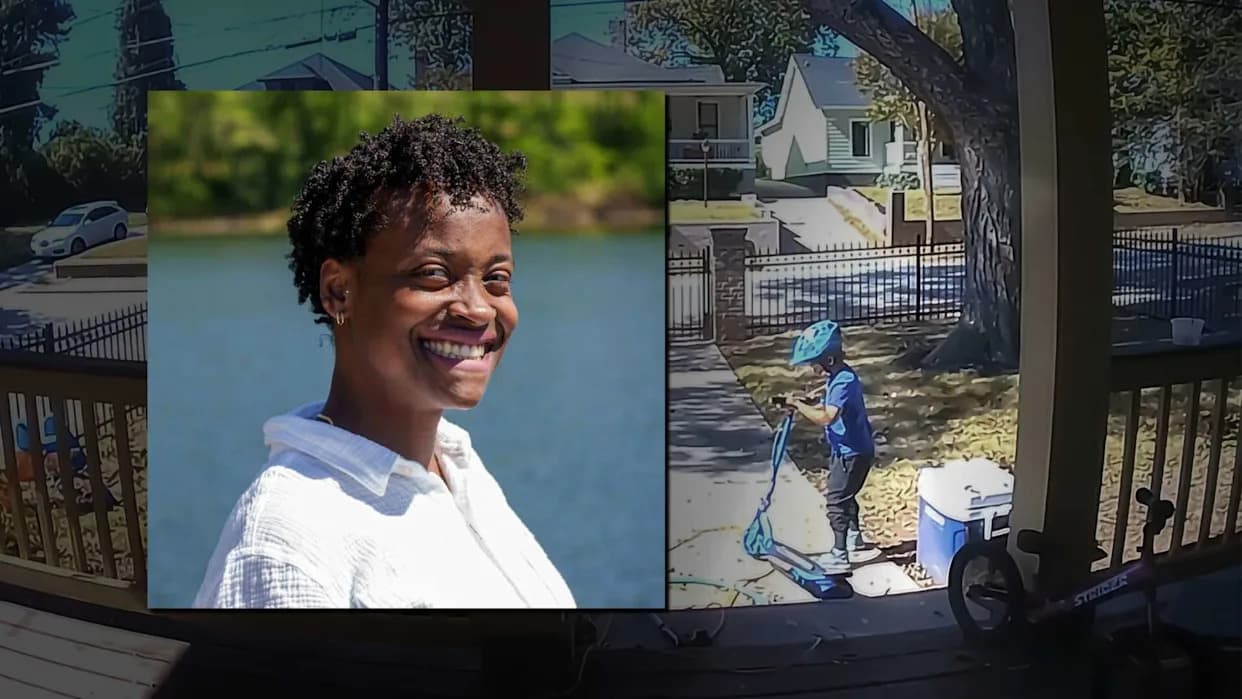
She Let Her 6-Year-Old Ride to the Park Alone. Georgia Called It Neglect.
On Election Day 2025, Mallerie Shirley’s 6-year-old son rode his electric scooter about one-third of a mile to a nearby playground and back along the bike trail outside the family’s Atlanta home. On his way home, a woman in a car stopped him and — the child later said — asked rapid-fire questions in a raised voice: “What’s your name? How old are you? Where do you live?”
Shirley, a software engineer and mother of two who also holds a master’s degree in social work and previously worked as a child-protection caseworker, says she and her husband had prepared their son for encounters with strangers. The boy told his parents he refused to answer the woman’s questions because he feared she might try to pull him into the car, and he sped home believing she had followed him.
DFCS Investigation and Ruling
Two days after the encounter, a caseworker from Georgia’s Division of Family and Children Services (DFCS) visited the Shirley home. Although Mallerie was not present, the caseworker told her husband that a report had been made alleging their son was unsupervised. The worker said she planned to visit both children’s schools to interview and photograph them.
The caseworker told the parents she considered a child of that age “extremely vulnerable” and said, initially, that children were too young to be left alone until about age 13. After checking with a supervisor, the family says DFCS staff cited an internal policy that set a minimum unsupervised age at 9.
State Law and Family Response
In 2025 Georgia enacted Senate Bill 110, which narrowed the state’s statutory definition of neglect to conduct that places a child in “real, significant, and imminent risk of harm” so obvious that a reasonable custodian would not have exposed the child to it. The law specifically recognizes many forms of independent activity as acceptable, including playing outdoors, walking to school, running errands, and traveling to local recreational facilities.
The Shirleys believed SB110 would protect their decision to allow their son to ride to the playground. In a post to the advocacy group Let Grow’s Facebook community, Shirley said they had assessed their son’s maturity, physical ability, and judgment before allowing him to go alone.
Allegations, Hypotheticals and Legal Challenge
During follow-up visits, the caseworker reportedly asked the boy whether his parents loved him and whether there were drugs in the house. When the Shirleys pointed to SB110 and asked how they had been negligent, the caseworker could not point to concrete examples, according to the family, instead describing unlikely hypothetical harms such as abduction or injury.
Let Grow’s legal consultant Diane Redleaf says DFCS has not sufficiently informed staff about the scope of SB110. David DeLugas, founder and executive director of ParentsUSA, has taken the case and filed a request for an administrative review asking DFCS to overturn the substantiated neglect finding. ParentsUSA has also opened a donation page to help cover legal costs for this and similar cases.
Aftermath and Broader Context
Weeks after the initial report, DFCS sent the family a letter stating it had “substantiated” neglect “based on the preponderance of evidence.” The Shirleys were told large portions of the case file would be redacted. They were then required to sign a DFCS “Safety Plan” stipulating that both children must be supervised at all times, which the family says they signed only after being told refusal would escalate the case.
“DFCS has an important job to do: save children who are truly being neglected and abused,” Shirley said, noting that her experience as a former caseworker exposed her to genuine instances of harm. “A kid riding his scooter to the park was not one of them.”
Advocates and the family argue the case reflects a cultural shift away from trusting children with some independent mobility, not an increase in child risk. They point to older parenting guides that listed neighborhood travel among typical milestones for six-year-olds and to recent declines in the nation’s homicide rate as part of the context for greater tolerance of supervised independence.
The dispute highlights tensions between local agency practice, new state law, and how child safety is interpreted in the field. The administrative review filed by ParentsUSA seeks to challenge DFCS’s ruling and clarify the boundaries of acceptable independent activity under SB110.
Help us improve.