Republican leaders say their push to sell the One Big Beautiful Bill Act has lost momentum after Labor Day amid the Epstein-document dispute and a prolonged government shutdown. Lawmakers blame the bill’s complexity, weak branding and crowded messaging for voter confusion, while polls show mixed and tepid support. GOP officials plan renewed state-level outreach and hope increased presidential advocacy will sharpen the message before major provisions take effect in 2026.
GOP Struggles To Sell ‘One Big Beautiful Bill’ As Support Falters
GOP Struggles To Sell Signature Tax Package
Republican leaders and operatives are growing increasingly concerned that their effort to promote the One Big Beautiful Bill Act as the party’s marquee legislative achievement has stalled. The sprawling tax package, passed just before July 4, has been overshadowed since Labor Day by political controversies — including battles over Jeffrey Epstein-related documents and a 43-day government shutdown — and polling suggested the measure was unpopular even before those distractions intensified.
Lawmakers say the bill’s complexity and poor branding have made it difficult to explain to voters. "No," Sen. John Cornyn (R-Texas) told reporters when asked whether he was satisfied with the party’s recent sales job. He added that the many moving parts in the package make it inherently hard to sell and noted an earlier rebranding effort: changing the bill’s name to the "Working Families Tax Cuts Act" tested better in polls.
"We need to go back to Marketing 101," Cornyn said, underscoring concerns that the formal name and scope have confused many voters.
Republicans were urged to use the August recess to promote the plan — especially its permanent extension of the 2017 tax cuts — but lawmakers say the message largely got buried. There has been limited public polling since mid-September, and many constituents appear focused on everyday costs and health care rather than legislative details.
Sen. Tommy Tuberville (R-Ala.) said the package "doesn’t come up much" on the campaign trail and that "most people don’t really understand what’s in it." Polling cited by GOP pollster John McLaughlin found 42% of respondents view the bill as a tax cut, 37% see it as a spending bill, and overall support for the tax cuts was described as "tepid" at about 46%.
The outreach challenge is compounded by a sluggish economic backdrop: inflation has ticked up and tariffs have pushed some prices higher. Democrats have capitalized on affordability concerns and spent recent months pushing a health-care message, including the impending end of enhanced Affordable Care Act credits — a contrast Republicans acknowledge they must meet.
Inside the GOP, officials are planning a renewed push. Senate leaders have begun highlighting individual elements of the package — the tax-cut extension, border investments and air-traffic control funding among them — and House campaign leaders urged members to emphasize popular provisions like no tax on tips and an expanded child tax credit.
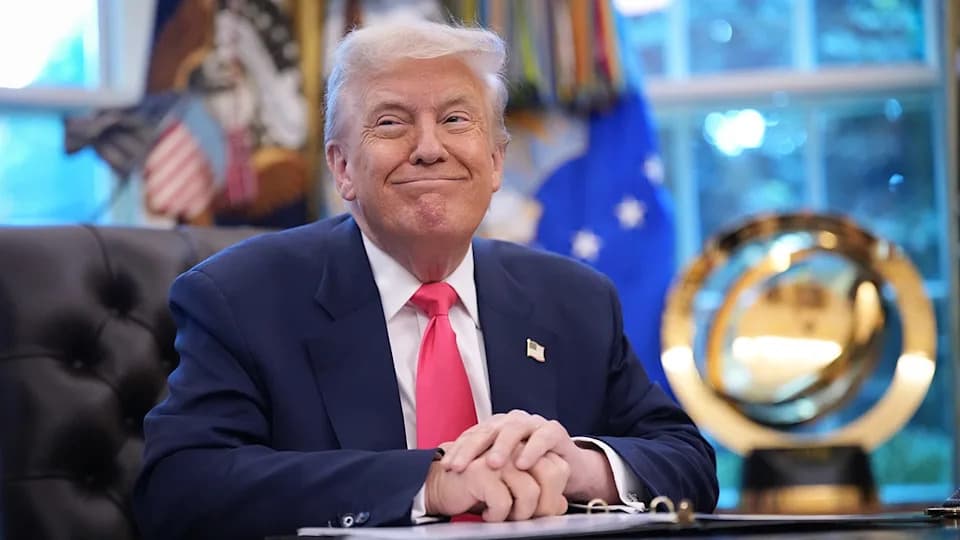
Some Republicans also say they expect more presidential advocacy in the new year. Critics in the party fault former President Donald Trump for not campaigning publicly on the bill as often as they would like, though several senators said they expect him to increase travel and messaging ahead of 2026, when many provisions take effect.
Senate Majority Leader John Thune (R-S.D.) called the package an "undertold" story and said the GOP must sharpen its message as the next campaign season approaches. "When we get into an election year and we’re drawing the contrast," Thune said, "all of the components and pieces of that are going to be part of that argument."
Despite the setbacks, party operatives and lawmakers are planning state-level outreach and clearer, simpler messaging in hopes of reversing the bill’s fading public profile before its key provisions become law in 2026.
Copyright 2025 Nexstar Media, Inc. All rights reserved.
Help us improve.