The Gates Foundation's Goalkeepers report warns that global under-five deaths could rise to about 4.8 million in 2025 — an increase of roughly 200,000 — following steep cuts in international health aid. Modeling with IHME shows a sustained 20% funding cut could cause 12 million additional child deaths by 2045, rising to 16 million with a 30% cut. The report calls for renewed investment in primary health care, routine immunizations and affordable innovations to prevent these avoidable deaths.
Gates Foundation Warns Child Deaths May Rise in 2025 as Global Health Aid Falls

The Gates Foundation's latest Goalkeepers report warns that the number of children who die before their fifth birthday is expected to rise in 2025 for the first time this century, reversing decades of steady progress. The foundation projects roughly 4.8 million under-five deaths next year — about 200,000 more than last year — and links the increase to sharp cuts in global health funding by many wealthy donor countries.
Key projections and risks
- The report estimates child mortality will reach about 4.8 million in 2025, up ~200,000 from the previous year.
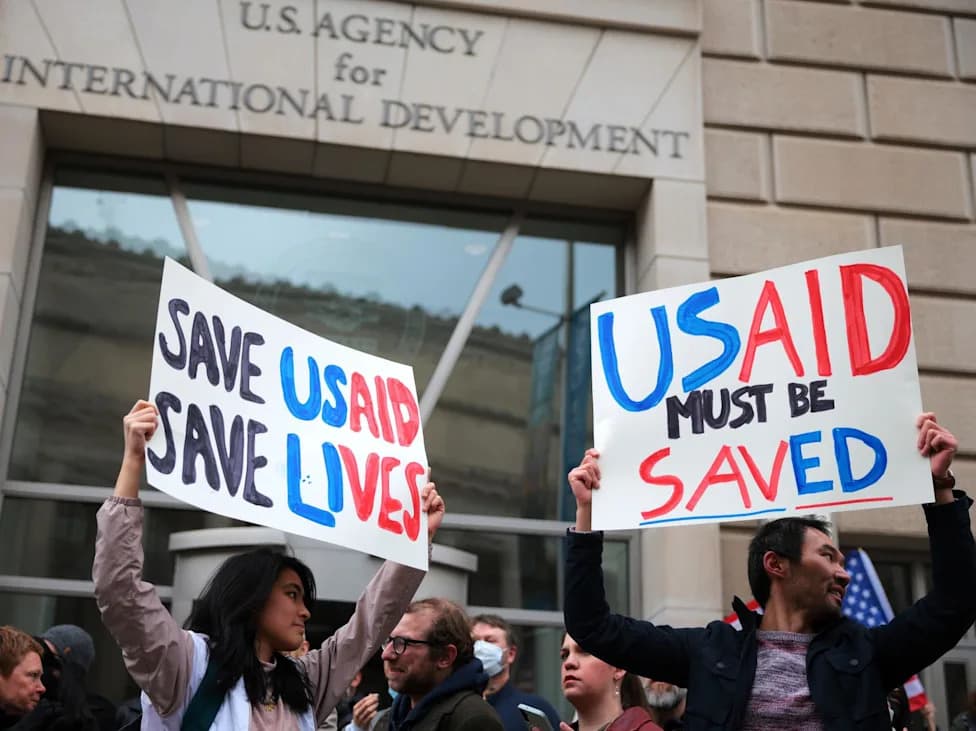
- Overall international health aid this year fell to 26.9% below 2024 funding levels, with at least 24 high-income countries reducing overseas assistance.
- Modeling with the Institute for Health Metrics and Evaluation (IHME) indicates that a sustained 20% cut in global health financing could lead to an additional 12 million child deaths by 2045; a 30% cut could add about 16 million.
Why this is happening
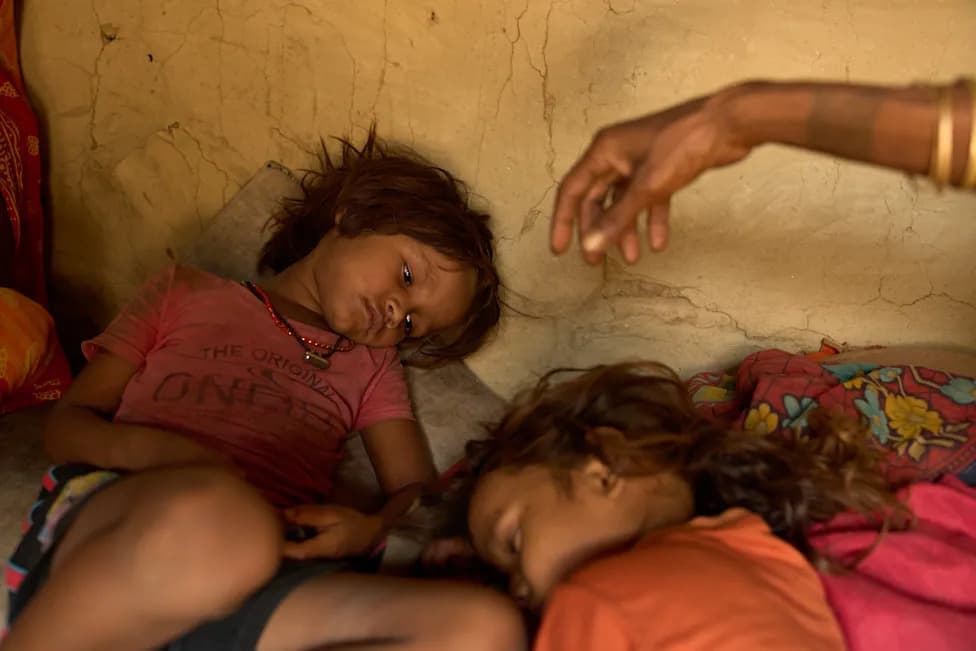
Mark Suzman, CEO of the Gates Foundation, said the projected increase is "100% avoidable" and pointed to reduced international development assistance as a primary factor. Many low- and middle-income countries that rely on aid are now confronting fragile primary health systems, rising debt, and gaps in services that protect children from pneumonia, diarrheal disease, malaria and other infectious killers.
Where investments make the biggest difference
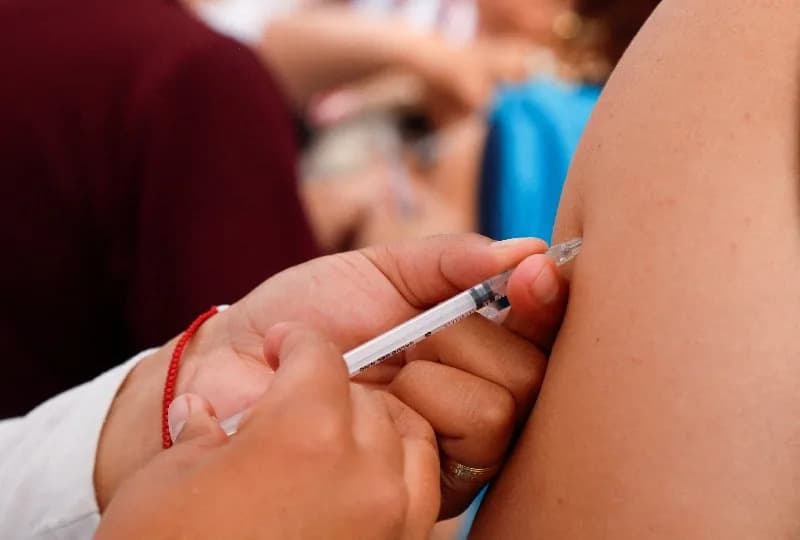
The report emphasizes that strengthening primary health care and maintaining routine immunization programs are among the most cost-effective ways to save children’s lives. The foundation estimates that for under $100 per person per year, stronger primary health care could prevent up to 90% of child deaths. Vaccination remains a standout investment: every dollar spent on vaccines returns roughly $54 in economic and social benefits, according to the analysis.
“We know how to save these children’s lives,” Mark Suzman said. “We need to reverse course.”
Innovations and proven programs
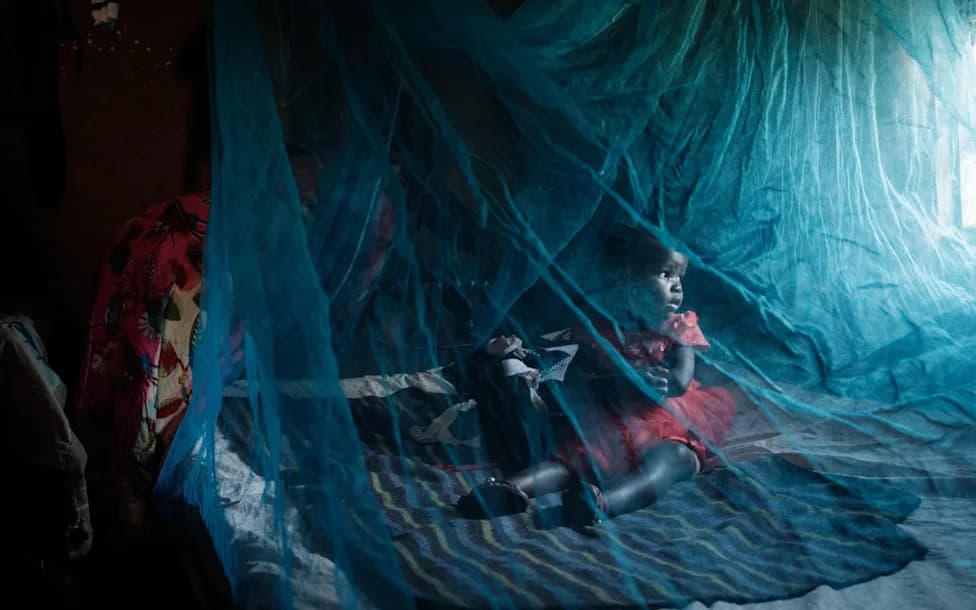
The report highlights near-term innovations that could reduce child mortality further: longer-acting HIV therapies (lenacapavir) that may become annual injections, new tools against respiratory syncytial virus (RSV) to prevent pneumonia, and next-generation malaria vaccines. The foundation urges policymakers to expand investment in immunization and support uptake of these innovations.
Global initiatives such as Gavi, the Vaccine Alliance, and the Global Fund remain central to these efforts. Gavi reports it has helped vaccinate about 1.2 billion children since 2000 and estimates those efforts have averted more than 20 million deaths. However, several major donors have scaled back or paused contributions this year, creating shortfalls at a time when demand for support is rising.
Funding shifts and consequences
Significant funding reductions from several high-income countries have strained global programs. While one administration increased its contribution to the Global Fund — which fights AIDS, tuberculosis and malaria — overall replenishment risks falling short if other large donors do not confirm pledges. The report warns that these fiscal decisions could reverse decades of progress unless leaders restore and protect investments in child health.
Call to action
The Gates Foundation frames the moment as a turning point: by prioritizing cost-effective primary care, routine immunization, and affordable innovations, governments and private donors can avert millions of preventable child deaths. Leaders are urged to preserve funding for proven global health programs and to ensure new tools reach the children who need them most.
Help us improve.