Senate Democrats, joined by Sen. Rand Paul (R-Ky.), introduced a war powers resolution aimed at preventing the United States from using its armed forces to conduct hostilities against Venezuela without explicit congressional authorization.
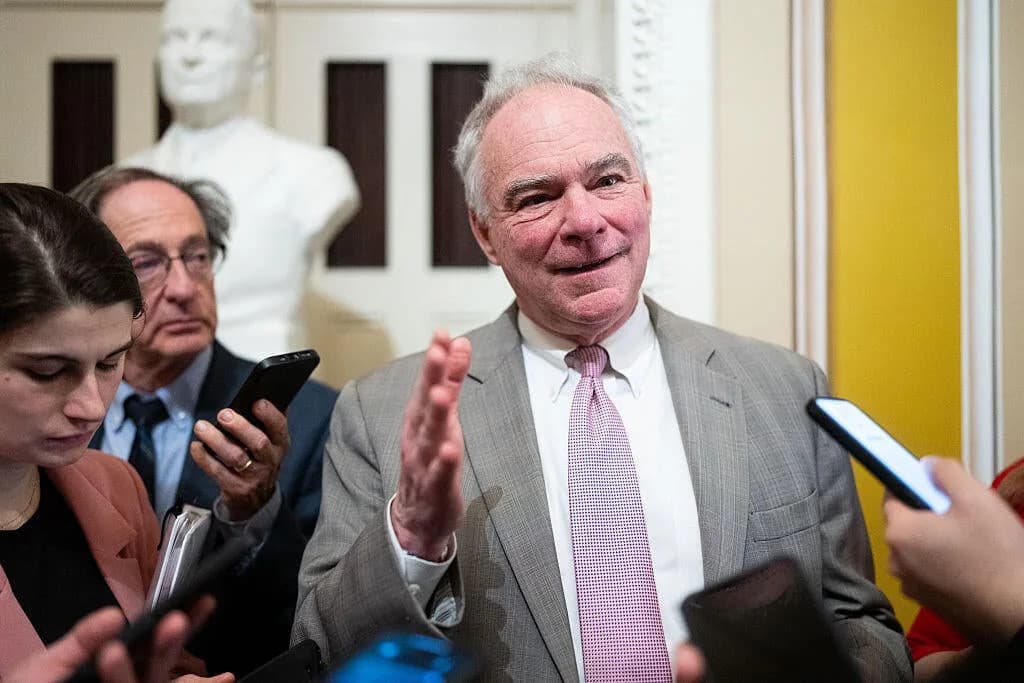
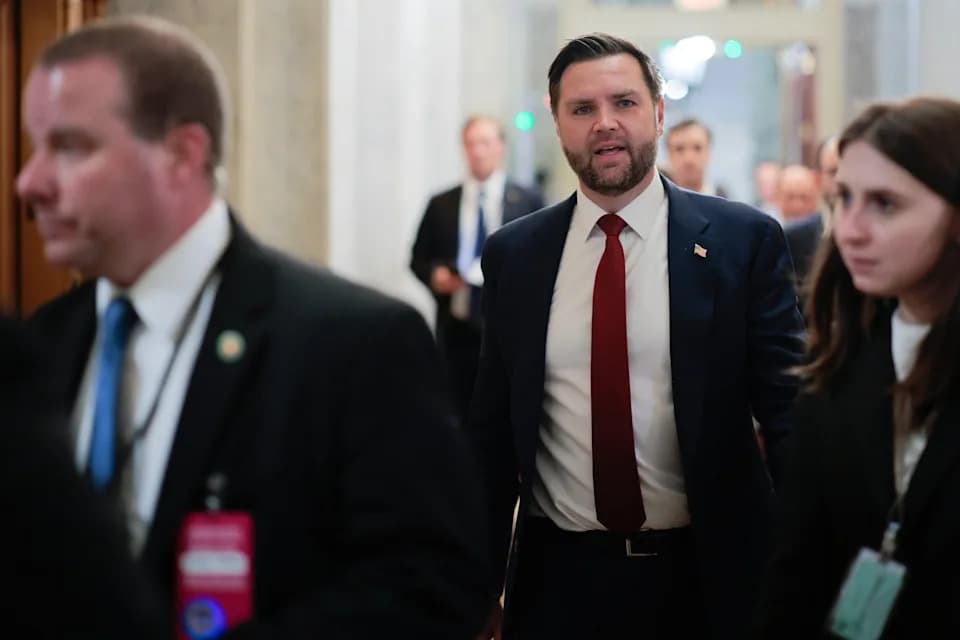
The measure was filed by Paul along with Sens. Tim Kaine (D-Va.), Adam Schiff (D-Calif.) and Senate Minority Leader Chuck Schumer (D-N.Y.). It directs President Trump to halt military operations "unless specifically authorized by a declaration of war or specific authorization for use of military force."
Senators' statements
"The American people do not want to be dragged into endless war with Venezuela without public debate or a vote," Paul said in a statement released from Sen. Kaine’s office. "We ought to defend what the Constitution demands: deliberation before war."
Kaine criticized the president for "risking the lives of our nation’s service members to engage in military action within Venezuela without a robust debate in Congress," adding that the Constitution vests the power to declare war in Congress, not the president.
Schumer argued there was "nothing 'America-first' about sending U.S. troops into danger for a mission the administration cannot justify, cannot explain, and has no legal authority to launch."
Schiff warned: "We are being dragged into a war with Venezuela without legal basis or congressional authorization, and the Senate must be prepared to stop an illegal war that would needlessly place at risk thousands of American servicemembers. Americans do not want endless war."
Context and controversy
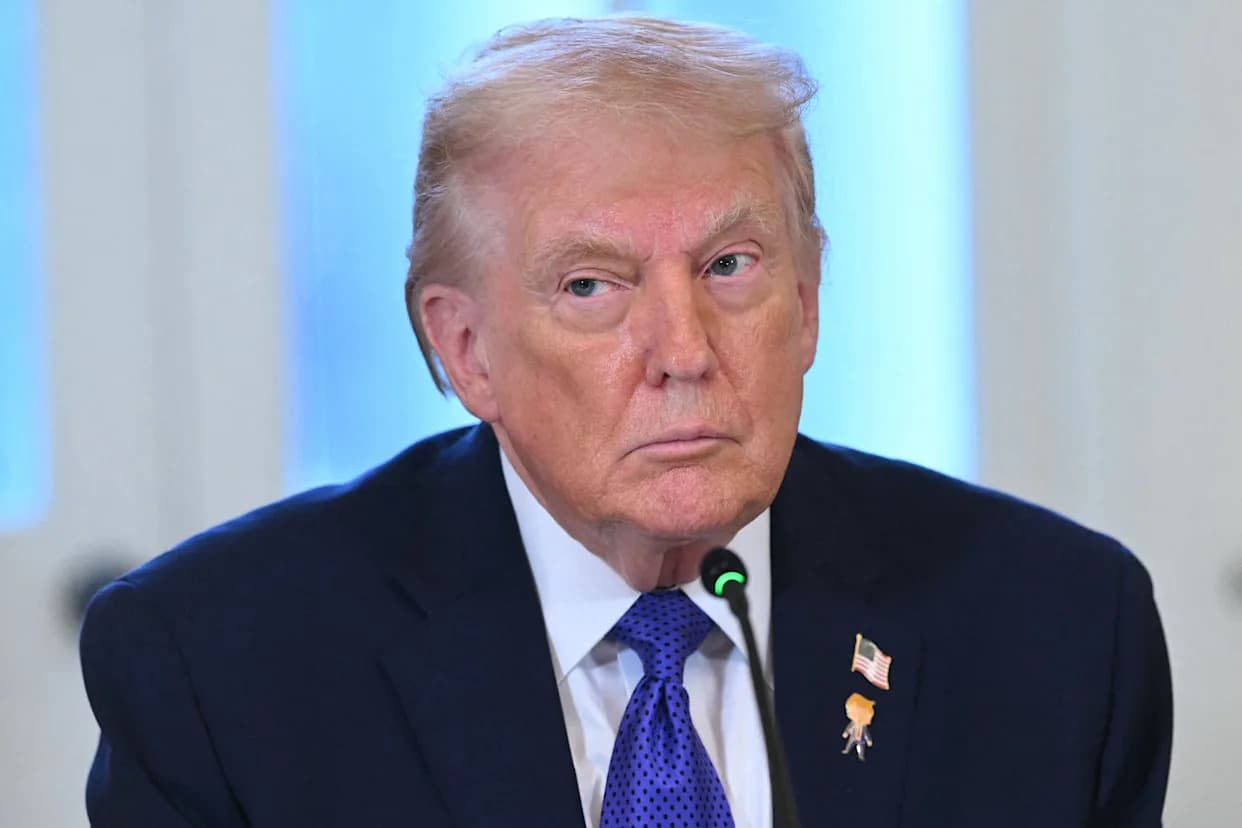
All four senators pointed to President Trump’s recent comments that the U.S. could take action against Venezuela "very soon" amid rising tensions. The president said, in reference to alleged "narco-terrorists," that "people aren’t wanting to be delivering by sea" and added the U.S. would begin to "stop them by land also." Officials say strikes since September against suspected drug traffickers have reportedly killed more than 80 people.
A reported Sept. 2 strike has become a particular focus of controversy. A Washington Post account and subsequent reporting said the lead commander in that attack allegedly ordered a second strike on survivors clinging to wreckage. That second strike was reported to have been carried out under orders attributed to Defense Secretary Pete Hegseth. According to earlier accounts, the vessel was struck multiple times and 11 people were killed.
The White House confirmed that Hegseth authorized the second strike and said the operation was conducted by Adm. Frank Bradley. White House press secretary Karoline Leavitt defended the action, saying Bradley acted "well within his authority and the law." Hegseth later said he did not "stick around" to observe the second strike because he had to attend another meeting.
Adm. Frank Bradley is scheduled to brief senior members of the Senate and House Armed Services Committees about the incident.
What the resolution would do
If enacted or upheld, the resolution would reaffirm Congress’s central role in authorizing major military actions and require the administration to obtain a formal declaration of war or a specific authorization for the use of military force before engaging U.S. armed forces in hostilities with Venezuela.