This article reports the discovery of Thismia selangorensis, a newly described 4-inch-tall "fairy lantern" plant found in Malaysia's Hulu Langat Forest Reserve. Fewer than 20 individuals were recorded across about 1.5 square miles, and the species was described in the journal PhytoKeys. Unlike most plants, it is mycoheterotrophic and gains nutrients from soil fungi rather than sunlight. Researchers classify it as critically endangered and call for public awareness and protective measures.
Newly Described 'Fairy Lantern' Plant That Feeds on Fungi Discovered Near Kuala Lumpur

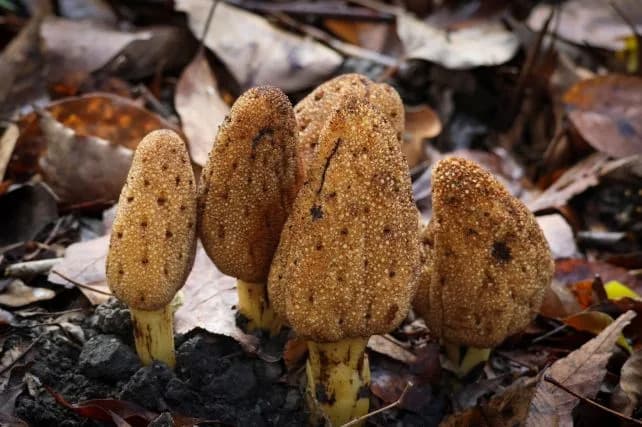
A tiny, otherworldly plant—Thismia selangorensis—has been formally described after being found in Malaysia's Hulu Langat Forest Reserve. Discovered in 2023 by naturalist Gim Siew Tan, the plant stands only about 4 inches tall and was spotted emerging from leaf litter near the roots of a riverside tree.
Follow-up surveys recorded fewer than 20 individual plants across roughly 1.5 square miles, and the species description was published in the journal PhytoKeys. Although the reserve is a popular camping and picnic area not far from Kuala Lumpur, Thismia selangorensis had not been formally documented until this study.
“This discovery shows that significant scientific finds are not limited to remote jungles; they can also be made in ordinary environments where constant human activity leaves little room for expectation,”
—Siti-Munirah Mat Yunoh, plant taxonomist at the Forest Research Institute Malaysia and co-author of the study.
Thismia selangorensis belongs to the unusual genus Thismia, commonly called "fairy lanterns." The genus contains roughly 120 known species that are mycoheterotrophic—rather than using photosynthesis, they obtain nutrients by parasitizing fungi in the soil. These plants are notoriously elusive because much of their life cycle occurs underground; individuals typically become visible only when flowering or fruiting.
Members of Thismia are typically found in shaded, undisturbed forest patches with moist microhabitats rich in leaf litter. Still, researchers have identified a growing number of species in recent years as botanists and naturalists look more closely at forest floors and overlooked habitats.
The authors of the new paper classify Thismia selangorensis as critically endangered. Its small, localized populations are vulnerable to accidental trampling at campsites and picnic areas, as well as to flooding and other disturbances that can erase tiny, concentrated populations. The researchers urge collaboration among scientists, government agencies, local communities, and visitors to increase awareness and enact protective measures.
Raising public awareness is a priority: knowing that the species exists in a specific, limited area is the first step toward protecting it from being lost before many people even know it exists. The discovery is a reminder that remarkable biodiversity can persist in familiar places—and that careful observation can still yield major scientific finds.
Credits: Discovery and observations credited to naturalist Gim Siew Tan; taxonomic and conservation contributions credited to Siti-Munirah Mat Yunoh and co-authors of the PhytoKeys paper.
Help us improve.