Appellate judges examined disputed DNA evidence that tied former Pasco officer Richard Aguirre to Ruby Doss' 1986 killing and which could lead to a new trial. Defense attorneys say DNA found on a 2018 test of a paper bag was likely transferred contamination, while prosecutors note the trial judge gave the DNA limited weight and relied on other admissions. The court has asked both sides for more detail on handling and testing before deciding whether the evidence should have been admitted.
Decades‑Old DNA Discovery Could Prompt New Trial for Former Pasco Officer

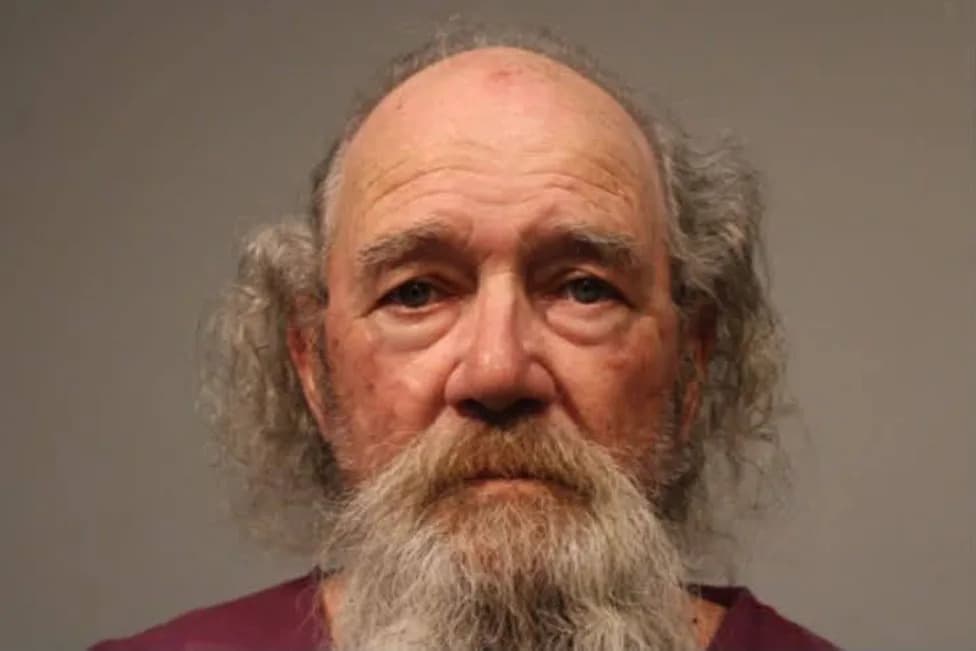
Appellate judges this week pressed prosecutors and defense lawyers about decades‑old DNA evidence that linked former Pasco police officer Richard Aguirre, 61, to the 1986 killing of 27‑year‑old Ruby Doss. The contested genetic material — recovered from a condom and later from the paper bag that once held it — is central to Aguirre's appeal and could be the basis for a new trial.
Timeline and the disputed DNA
Doss' body was found near the Playfield Race Course in 1986. At the time Aguirre was 19 and serving in the U.S. Air Force. The case remained unsolved for decades until forensic testing produced new leads.
Investigators say DNA from a condom recovered at the scene was linked to Aguirre in 2015, which prompted murder charges that were initially dropped by prosecutors. Defense counsel Todd Maybrown told the appeals panel that laboratory tests performed on the condom itself never identified any female DNA. He also said the physical condom had been consumed or otherwise unavailable after testing in 1989, and that DNA samples later came from material stored by a private company.
In 2018, testing of the inside of a brown paper evidence bag that once held the condom produced DNA believed to match Doss. Maybrown told the court the most plausible explanation for that finding is cross‑contamination or transfer of touch DNA due to how evidence and packaging were handled in the lab.
'It’s how the bag was handled that was the problem,' Maybrown said. 'With modern methods, touch DNA and transfer can occur if proper protocols aren’t followed. If your bench is not clean, you get transfer.'
Prosecution response and additional evidence
Spokane Deputy Prosecutor Brett Pearce countered that there is no evidence the analyst who tested the bag acted improperly. He emphasized that the trial judge, Judge Jeremy Schmidt, acknowledged limitations in the DNA evidence and said he would give it less weight, not that it was inadmissible.
Pearce also noted other evidence in the record: court documents report that Aguirre admitted to Pasco officers and a firefighter that he had sex with Doss, and that he told another person he had strangled her. Aguirre was convicted of first‑degree murder following a second trial in 2024, a bench proceeding in which he waived his right to a jury, and was sentenced to 25 years in prison.
What the appeals court is considering
At the hearing, Judge Robert Lawrence‑Berrey pressed Pearce on why Doss’ DNA would not have been detected on the condom in earlier testing but appeared later on the inside of the paper bag. 'There’s got to be an explanation as to why there is the victim’s DNA on the inside of the bag,' he said, noting that if cross‑contamination is the only explanation the issue could rise to a legal error.
The three‑judge panel — Lawrence‑Berrey, Tracy A. Staab and Megan Murphy — requested additional information from both sides about the 2018 bag testing, how the evidence was handled over time, and whether that DNA should have been admitted at trial. Their decision could determine whether Aguirre will receive a new trial.
Next steps: The appeals court will review supplemental submissions from the prosecution and defense about lab procedures, chain of custody and the reliability of the contested DNA results before issuing a ruling.
Help us improve.