Industries with large immigrant workforces—especially construction, restaurants and landscaping—are pressing the administration and Congress for more temporary-worker visas as raids and enforcement deepen labor shortages. Data show these sectors lost a combined 315,000 immigrant workers through August. Employers want H-2A-like rules for nonagricultural work or a new H-2C proposal, while economists warn that temporary fixes could delay needed pathways to permanent status. Lawmakers remain divided between short-term visa expansions and broader immigration reform.
Raids Thin Workforces — Construction, Restaurants and Landscaping Demand Expanded Temporary Worker Visas

Rumors and enforcement actions related to immigration have kept large numbers of workers away from jobs, slowing construction projects and straining restaurants, landscaping firms and other businesses that rely heavily on immigrant labor. Those industries are pressing the administration and Congress for expanded temporary-worker programs and streamlined visa processes to fill immediate gaps.
Why industries are pressing for relief
Business groups and employers say the recent uptick in immigration enforcement and fears of raids have worsened labor shortages that were already acute. Agriculture received expedited access to guest workers under the administration’s recent actions, and trade groups want similar rules for nonagricultural sectors to prevent further delays on projects ranging from homes to highways.
Data on workforce declines
Current Population Survey data from IPUMS at the University of Minnesota show that restaurants, construction and landscaping lost a combined 315,000 immigrant workers through August of this year—more than any other industries. On average through August, the analysis found about 145,000 fewer immigrants working in restaurants compared with the same period last year, roughly 127,000 fewer in construction and about 43,000 fewer in landscaping.
Requests for more visas and proposed changes
Thousands of businesses from all 50 states petitioned the administration for an additional 64,716 H-2B visas, arguing they are essential for seasonal surges in hospitality, tourism, landscaping, forestry, seafood production and similar sectors. A bipartisan group of 33 senators also sent a letter asking for more H-2B seasonal employment visas, saying employers’ needs cannot be met by American workers alone.
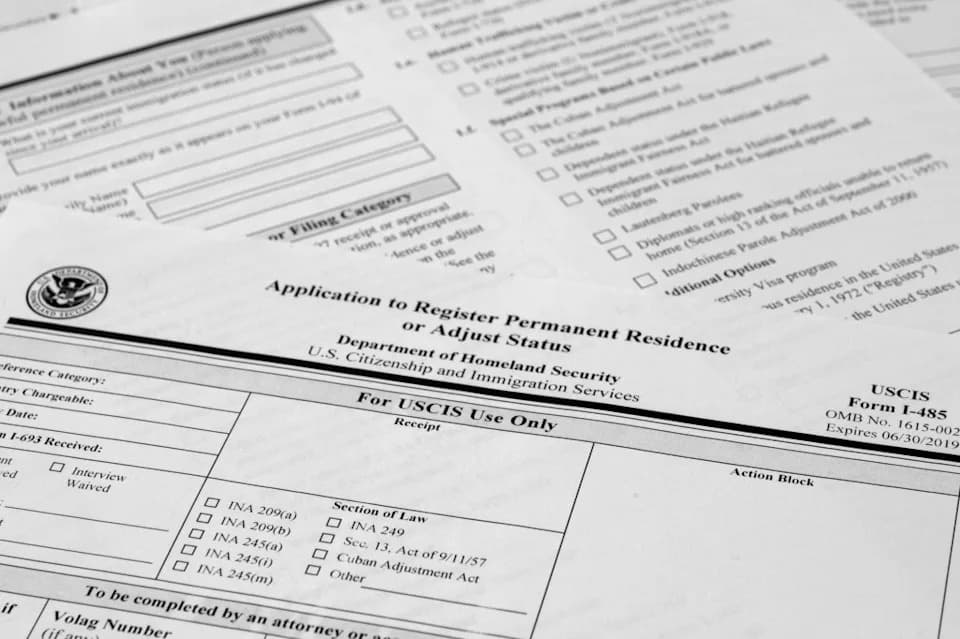
Construction groups are asking for visa programs modeled on the agricultural H-2A rules, which the administration recently streamlined to lower hiring costs for farmers. Lawmakers have proposed an H-2C concept that would allow up to 85,000 less-skilled temporary workers in construction, hospitality and other fields to remain in the country for longer periods; that proposal has not advanced. Trade associations also support legislative measures that would provide legal status for some workers already in the country—proposals that likewise have not progressed.
Immediate business impacts
Employers cite concrete losses tied to worker absences. Rebecca Shi, CEO of the American Business Immigration Coalition, described a landscaping company that lost $50,000 in contracts after two-thirds of its crew failed to show up amid rumors of enforcement activity. Many of those who stayed home were citizens or lawful residents worried about relatives, she said, underscoring the broader climate of fear that can ripple through local economies.
“Workforce shortages are the leading cause of construction project delays,” said Brian Turmail, vice president at the Associated General Contractors of America. “Nearly 1 out of 3 contractors have been impacted in one way or another by enhanced ICE enforcement activities.”
Limits of temporary fixes and calls for reform
Experts caution that expanding temporary-worker programs can ease short-term pain but may postpone the comprehensive immigration reforms that would give workers permanent status and greater stability. Pia Orrenius, a labor economist at the Federal Reserve Bank of Dallas, has written that lack of permanent status is costly to migrants, employers and the broader economy because it leaves workers vulnerable to abrupt policy changes.
Critics of the H-2B program also point to structural problems: a low numerical cap (33,000 visas issued twice a year), burdensome paperwork and administrative complexity make the program unreliable for many employers. David Bier, director of immigration studies at the Cato Institute, described the current process as difficult for both employers and workers and noted that visa requests have already surpassed the cap for the first half of fiscal 2026.
Where things stand
In fiscal year 2025, about 209,000 H-2B visas were issued, with the largest shares going to Texas, Florida, North Carolina, Colorado and Louisiana. The most common occupations recorded for H-2B recipients included building and grounds work, food service and construction. Major private employers were among the program’s top users.
As businesses lobby for more temporary visas or pathways to legal status, lawmakers and advocates remain divided over whether short-term expansions or a broader overhaul of the immigration system will better address long-term labor shortages. With enforcement activity continuing in multiple states and requests for more visas piling up, pressure on policymakers to act is likely to grow.
Help us improve.