Key points: A new federal ban on most hemp-derived products will take effect in November 2026 and would redefine legal hemp to allow only 0.4 mg of any THC per package. That shift could end most interstate hemp commerce, push many products into state-licensed dispensaries, and raise prices due to higher compliance costs and possible Section 280E tax exposure. Fast-growing categories such as THC beverages and full‑spectrum CBD balms face particular risk; some companies plan to adapt using botanical terpenes and state-focused strategies.
Federal Hemp Ban Takes Effect Nov 2026 — How It Will Change CBD, THC Drinks and Prices

Congress added a last-minute ban on most hemp-derived products to the spending bill that ended the government shutdown. The prohibition is scheduled to be enforced in November 2026 and will reshape availability, composition and pricing for many popular hemp goods, including CBD tinctures, balms and THC-infused beverages.
Below is what consumers, retailers and producers should expect, how state rules will matter, and how businesses plan to adapt.
What the law changes
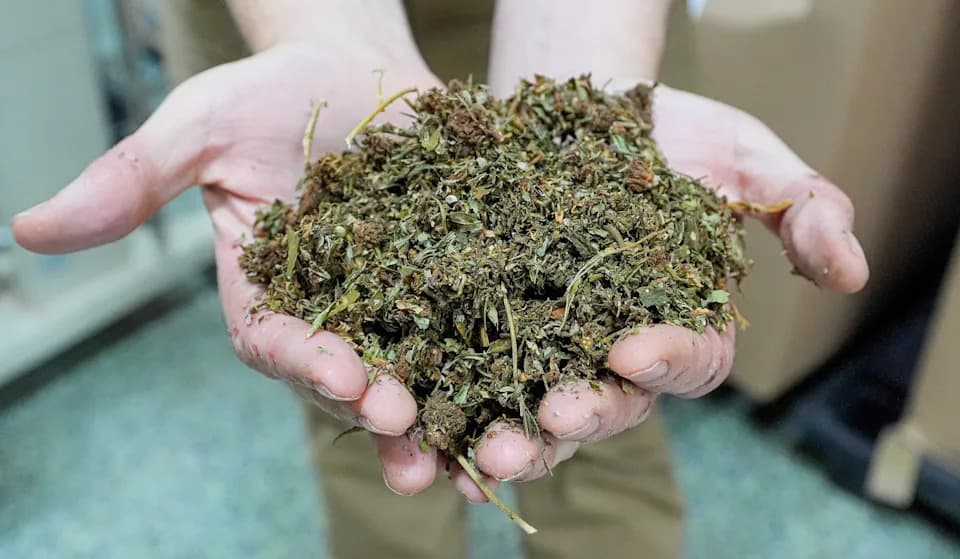
Under current federal law, hemp is defined as plant-derived material containing less than 0.3% delta-9 THC by dry weight. The new measure would redefine legal hemp much more strictly: products would be limited to just 0.4 milligrams of any form of THC per package. That is a minute amount — but it already appears in many hemp items, including so-called full-spectrum CBD products.
State-by-state impact
The practical effect will vary by state. Jonathan Miller, general counsel for the US Hemp Roundtable, says states with established, regulated hemp or cannabis frameworks will likely continue to operate similar to today’s state-licensed cannabis markets.
“States have got marijuana programs that are federally illegal and they still sell products. So that will continue.” — Jonathan Miller
States with existing hemp or cannabis programs (for example: Minnesota, Kentucky, Louisiana, Maine, Pennsylvania, Indiana, Iowa, New Mexico, Tennessee, New York and Illinois) are expected to retain marketplaces, but with important limitations. The most consequential: interstate commerce would largely end, meaning shipping products across state lines and many online sales would be restricted or prohibited.
Prices, taxes and distribution
Shifting hemp into state-only markets and treating it more like state-regulated cannabis is likely to increase costs. State-licensed dispensaries typically have higher retail prices because of stricter testing, packaging and licensing requirements. If hemp businesses fall under federal tax rule Section 280E — which limits deductions for businesses tied to controlled substances — producers could face significantly higher tax bills that may be passed on to consumers.
Manufacturing costs are likely to rise as well. Jonathan Miller notes that losing interstate sales reduces economies of scale: when producers can only sell inside one state, per-unit costs tend to increase.
Product categories most at risk
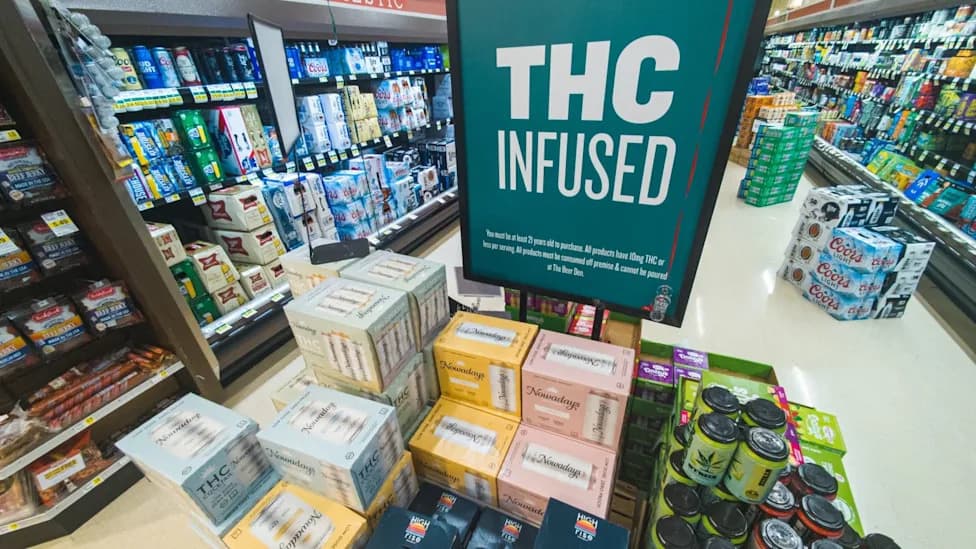
- THC beverages: A fast-growing category that has only recently gained mainstream retail attention (Nielsen added a THC seltzer category). Major alcohol distributors helped scale these products; without interstate commerce and distributor margins, many distributors may drop THC beverages, shrinking availability and distribution quality.
- Full‑spectrum CBD products: Many full-spectrum balms and tinctures include trace amounts of THC and other cannabinoids. Producers and some users say those small quantities contribute to effectiveness through the so-called "entourage effect." Banning these traces could reduce perceived efficacy.
- Online and out-of-state sales: Expect fewer online options and limited cross-border purchases, which will constrain consumer choice and competition.
Industry voices and likely effects
Josh Kesselman, CEO of Raw, suggests CBD prices could spike dramatically — he points to Canada as an example where CBD products are routed through licensed cannabis channels and are significantly more expensive and harder to obtain.
“It’s incredibly expensive and difficult for me to get a CBD balm because the Canadian government considers it to be a cannabis product, and therefore you have to buy it from a licensed dispensary.” — Josh Kesselman
David Reich, CEO of Crescent Canna (a leading THC seltzer maker), warned that smaller producers may not survive if distribution and margins collapse.
“In 12 months, if nothing changes, unless we become a different kind of company, we won’t exist.” — David Reich
How companies may adapt
Producers are exploring several responses:
- Moving products into state-licensed cannabis dispensaries where allowed.
- Formulating with non-hemp botanical terpenes and adaptogens (e.g., mango terpenes, lavender, chamomile, lemon balm, kanna, holy basil, cacao, certain mushroom blends) to approximate desired effects without THC.
- Refocusing on states with clear legal frameworks and investing in in-state manufacturing and compliance.
Some industry leaders are cautiously optimistic about botanical alternatives. Jasmine Johnson, CEO of GŪD Essence, notes that many consumer benefits are tied to terpene profiles and other botanicals, and her company is researching such formulations with academic partners.
What consumers should know
- Expect higher retail prices and reduced product variety in many states.
- Full‑spectrum products that currently contain trace THC may be reformulated or moved behind dispensary counters depending on state rules.
- Availability of THC beverages and other emerging categories could decline if distributors withdraw support.
- Check your state’s hemp and cannabis regulations and follow brand updates for reformulations, lab results and new purchase channels.
Timeline: The ban is set to be enforced in November 2026. Companies, regulators and consumers have time to prepare, but uncertainty about enforcement and tax treatment means substantial changes are likely before that date.
For now, the final landscape will depend on how states respond, how regulators interpret the new rule, and whether Congress, courts or regulators modify the policy before enforcement begins.
Help us improve.