Gov. Joe Lombardo signed the Safe Streets and Neighborhoods Act, a broad crime bill that could reinstate the Resort Corridor Court to target offenses tied to the Las Vegas Strip and to ban offenders from the tourist corridor. The law also raises penalties for smash‑and‑grab thefts, DUIs and assaults on hospitality workers and limits federal immigration enforcement on school grounds without a warrant. Supporters say the steps protect tourism after an 11% visitor drop; opponents, including civil‑rights groups, predict legal challenges and warn of due‑process and homelessness impacts.
Nevada Gov. Signs Broad Crime Bill That Could Revive Controversial Resort Corridor Court

Nevada Gov. Joe Lombardo this weekend signed the Safe Streets and Neighborhoods Act, a sweeping crime package that could revive the disputed Resort Corridor Court and increases penalties for smash-and-grab robberies, DUIs and assaults on hospitality workers. Supporters say the measures aim to bolster safety and protect Las Vegas' tourism economy amid a downturn in visitors; critics warn the plan raises civil‑rights and due‑process concerns.
What the law does
The law clears the way to re-establish the Resort Corridor Court, a program designed to handle offenses tied to the Las Vegas Strip—such as petty theft, assault, drug violations and loitering—and to allow judges to ban convicted individuals from the tourist corridor for up to a year. It also stiffens penalties for certain thefts, DUIs and attacks on hospitality workers, measures aimed at deterring crimes that can hurt the city's visitor appeal.
Political context and tourism concerns
Passage of the bill is a major political victory for Lombardo as he prepares for a competitive 2026 reelection campaign. Supporters, including resort industry groups and the hospitality workers' union, argued the court revival is necessary to protect tourism after the Las Vegas Convention and Visitors Authority reported an 11% decline in visitors between June 2024 and June 2025.
Opposition and legal questions
Critics say the court's orders could disproportionately affect unhoused people and raise constitutional and due‑process issues. Athar Haseebullah, executive director of the ACLU of Nevada, said legal challenges are likely if the program is revived and warned about what he called "the continued creep of privatization of our judicial system." Nevada judges originally created the court two years ago and disbanded it about a year and a half later.
"We greatly appreciate Governor Lombardo and legislative leadership for working together to advance this important tourism‑safety legislation," said Virginia Valentine, president and CEO of the Nevada Resort Association, adding that the measures aim to keep Las Vegas a premier tourism destination.
The new law authorizes the Clark County Commission to reinstate the program, but officials say the Justice Court retains discretion to act and it is unclear when—or if—the commission will move forward.
Immigration enforcement limits at schools
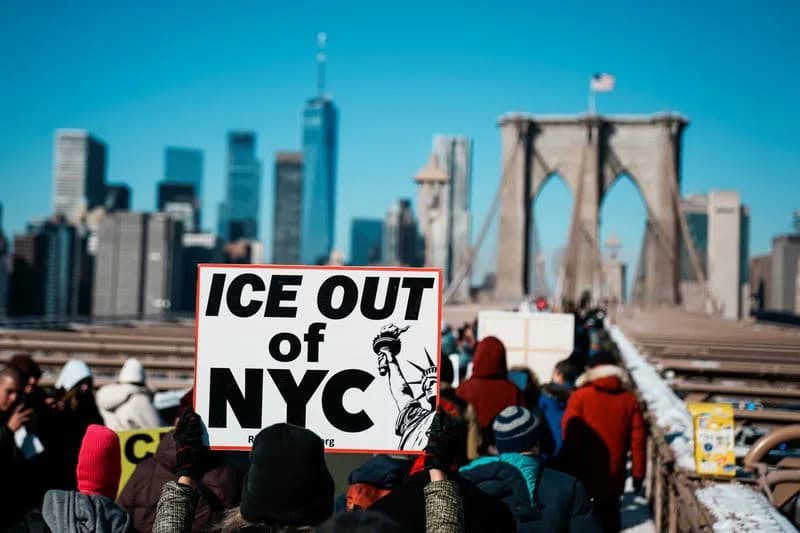
The package also includes an amendment that prohibits federal immigration enforcement officers from entering school grounds without a warrant and requires detention facilities to maintain a running list of people in custody. The measure includes exceptions for school resource officers and law enforcement responding to emergencies, such as active‑shooter incidents. Supporters say the change aligns Nevada with other states that have limited enforcement access to schools; opponents argue the broader bill still does more harm than good.
Assemblymember Cecelia González, who originally sponsored a standalone immigration‑related bill, voted against the final crime package. She said she was glad students' concerns were recognized but cautioned that the overall measure may cause unintended harm.
Legal observers expect litigation over the Resort Corridor Court if local officials move to revive it. The coming months will show whether county authorities and the courts will opt to reimplement the program and how swiftly challenges will follow.
Help us improve.