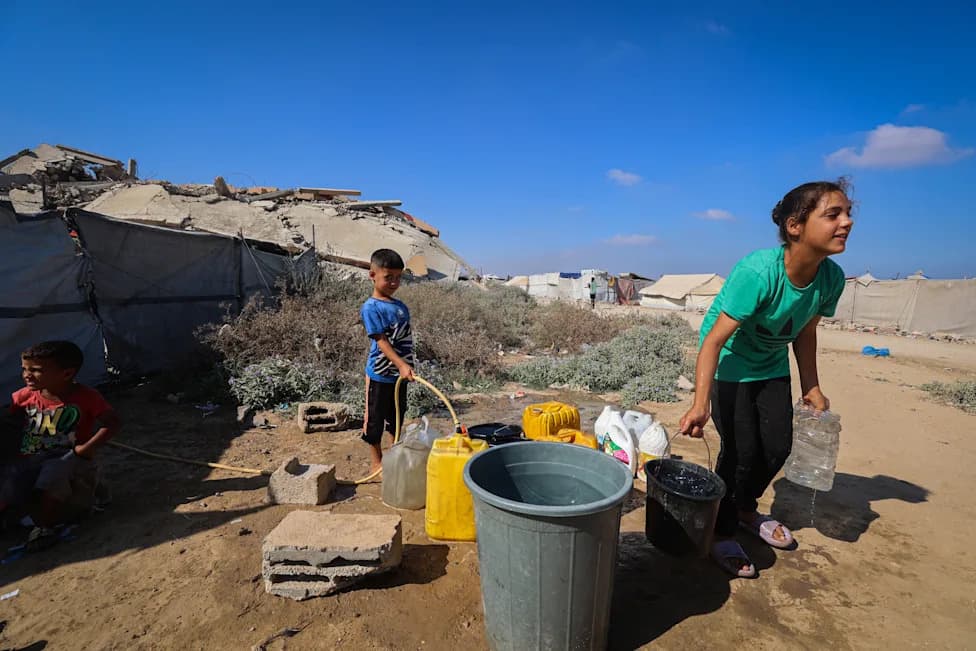
MSF coordinator Hani Isleem warns tens of thousands of Gazans need medical evacuation, and that hundreds have died waiting. WHO estimates suggest more than 8,000 evacuated to date and over 16,500 still need treatment abroad, while MSF believes the true total may be three to four times higher. Evacuations have slowed dramatically since the Rafah crossing closed in May 2024, and restrictive, politicized acceptance criteria are blocking many adults and accompanying family members from lifesaving care.
Tens of Thousands of Gazans Need Urgent Medical Evacuation, MSF Coordinator Warns

Hani Isleem, who coordinates medical evacuations from Gaza for Doctors Without Borders (MSF), has called on countries to open their borders to tens of thousands of Gazans who urgently need treatment abroad, warning that hundreds have already died while waiting.
Scale of the crisis
The World Health Organization estimates that more than 8,000 patients have been evacuated from Gaza since the conflict began, and that over 16,500 still require treatment outside the territory. MSF says the true need is likely much larger: Isleem estimates the number of patients who need evacuation could be three to four times the WHO figure, putting the total in the tens of thousands.
Where patients are going — and where they aren't
More than 30 countries have accepted patients from Gaza, but only a few have taken significant numbers. Egypt and the United Arab Emirates have received large groups; in Europe, Italy has taken over 200 patients, while some major states, including France and Germany, have taken none so far. Switzerland recently accepted two small groups of children in November; among them were infants with severe congenital heart disease and other children who required immediate, complex care.
'The need is really huge,' Isleem said, noting that several babies were taken straight to surgery on arrival to avoid irreversible harm.
Evacuations are slowing
Evacuations have dropped sharply since the Rafah crossing into Egypt was closed in May 2024. Where roughly 1,500 patients were leaving Gaza each month early in the conflict, averages have since fallen to about 70 per month. A US-brokered ceasefire that began in October has not led to a sustained increase in transfers.
Israeli authorities' refusal rate for evacuation requests has fallen from around 90% to roughly 5% in recent months, Isleem said, yet refusals and logistical bottlenecks still prevent many patients from leaving.
Human cost and restrictive criteria
Isleem said at least 900 people have died while waiting for evacuation since October 2023, a figure he called an underestimate. He criticized receiving countries for lengthy, politicized approval processes and restrictive selection rules. According to Isleem, many states are prioritizing children almost exclusively, despite the fact that three-quarters of those registered for evacuation are adults. Other restrictions include denying patients who arrive with family members or refusing transfers when any male sibling over 18 is present.
Isleem urged countries to abandon what he described as a 'selection shopping list' and to prioritize medical need and lifesaving care above politics and bureaucratic hurdles.
Key recent figures
- WHO-estimated evacuated to date: >8,000
- WHO-estimated still needing care outside Gaza: >16,500
- MSF's estimate of true need: 3–4 times WHO figure
- Evacuations per month: from ~1,500 (early) to ~70 (after May 2024)
- Evacuations reported: 148 in October, 71 in November, ~30 expected in December
- Deaths while waiting since October 2023: >900 (MSF estimate)
MSF and medical coordinators continue to call for faster, less politicized approval processes, acceptance of adult patients and their families when clinically necessary, and a focus on urgent medical need to prevent further avoidable deaths.
Help us improve.