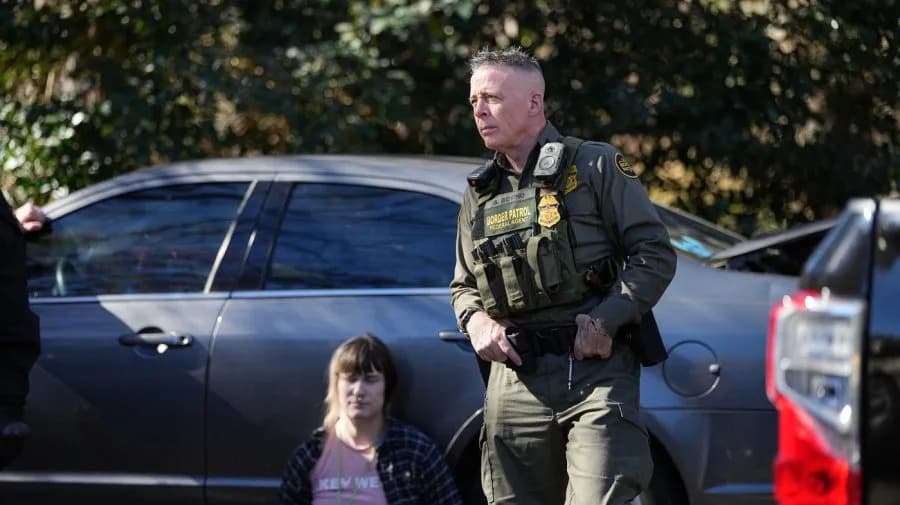
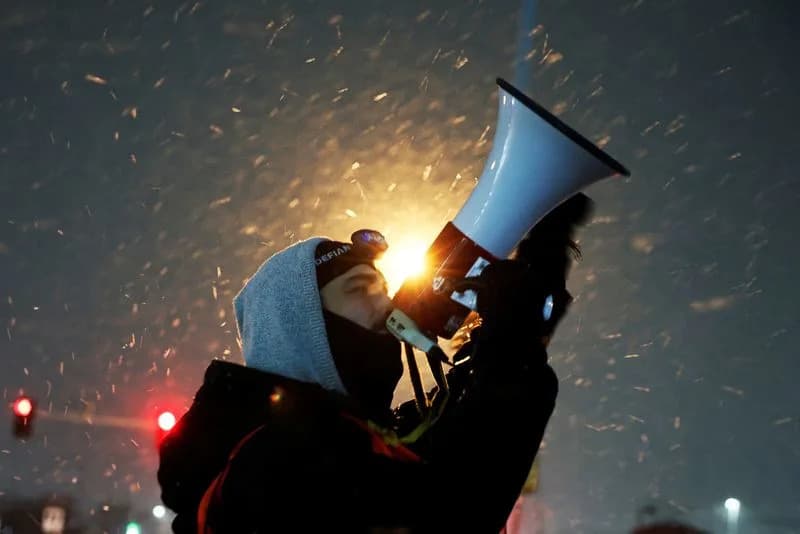
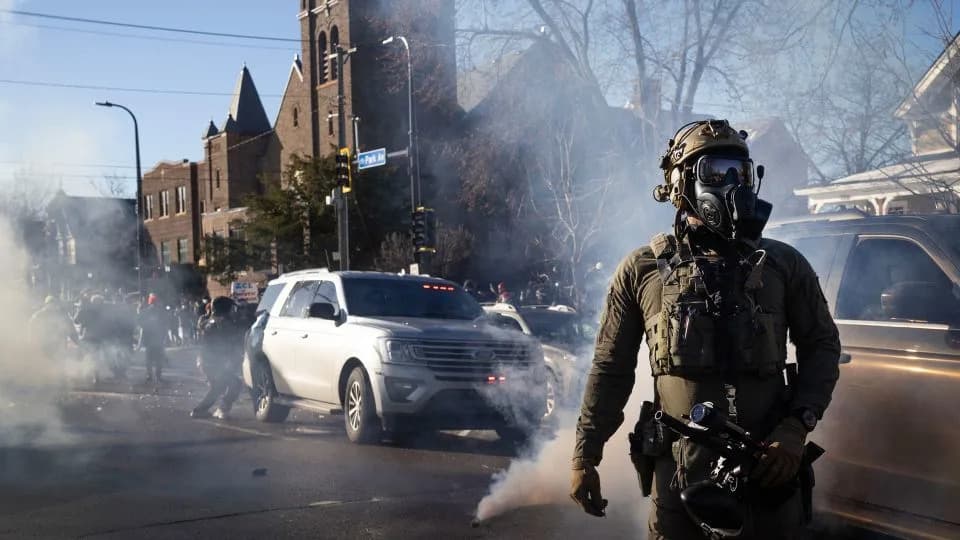
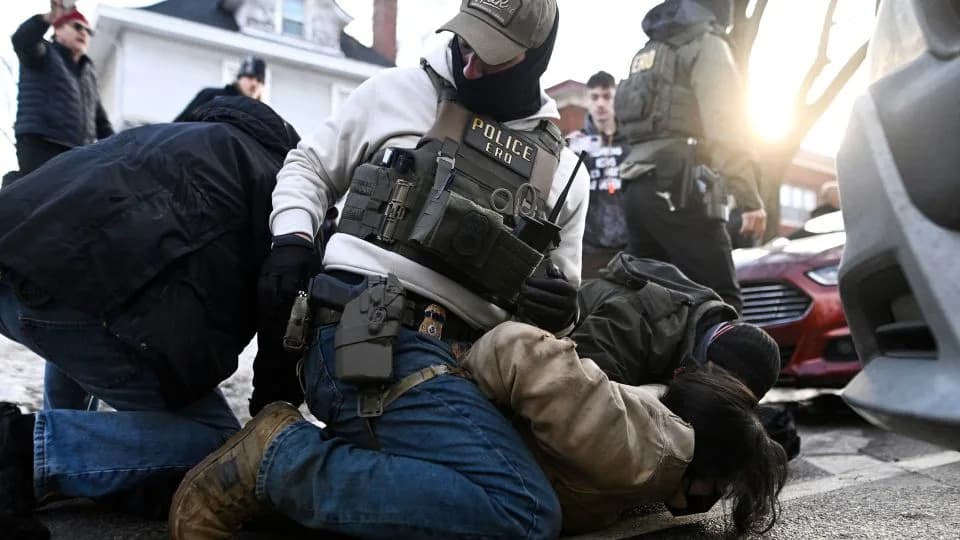
The plaintiffs — protesters, journalists and faith leaders — asked a federal court to dismiss their lawsuit challenging aggressive tactics by federal immigration officers, saying "Operation Midway Blitz" has largely ended. They cited U.S. District Judge Sara Ellis' 223-page opinion and noted that Border Patrol official Gregory Bovino has left the Chicago region. The 7th U.S. Circuit Court of Appeals had called Ellis' injunction "overbroad" but suggested a faster appeal could yield a narrower order. The case produced bodycam footage and testimony alleging use of tear gas, rubber rounds and other force against reporters and demonstrators.
Protesters Drop Lawsuit After Federal Immigration Agents Leave Chicago Area; Judge's Detailed Ruling Highlighted

A coalition of protesters, journalists and faith leaders asked a federal court on Tuesday to dismiss their lawsuit challenging aggressive tactics used by federal immigration officers around Chicago, saying the operation known as "Operation Midway Blitz" has largely wound down.
The plaintiffs framed the decision as a victory, noting that senior U.S. Border Patrol official Gregory Bovino has left the Northern District of Illinois and that the federal presence in the region has diminished, although sporadic arrests by other agents have continued.
Judge's Opinion and Legal Context
The filing pointed to a 223-page opinion issued last month by U.S. District Judge Sara Ellis, which spelled out the factual findings and legal reasoning behind a preliminary injunction that restricted federal agents' use of force. The injunction limited officers' use of physical force and chemical agents — including tear gas and pepper balls — except when necessary to prevent an immediate threat.
The 7th U.S. Circuit Court of Appeals has described Ellis' injunction as "overbroad" and "too prescriptive," but it also cautioned against overreading its temporary stay and suggested a streamlined appeals process could produce a narrower, more tailored order. Oral arguments before a three-judge panel were set for later this month before the plaintiffs moved to dismiss.
What Plaintiffs Say
"We got the relief that we were looking for. They left," said David Owens, an attorney representing the plaintiffs. "When the emergency goes away, things change."
Attorneys for the plaintiffs also highlighted Judge Ellis' detailed findings based on body camera footage, witness testimony and interviews, including private interviews with Gregory Bovino. The court opinion described instances in which agents allegedly deployed tear gas without warning, aimed rubber projectiles at reporters, tackled protesters and appeared to react callously to an injured demonstrator.
"Because of the work of many Chicagoans, including the brave plaintiffs in this case, the brutality of Operation Midway Blitz was carefully documented for all to see," said attorney Steve Art. "Judge Ellis’s powerful opinion stands as a defining document of our time."
Government Response and Ongoing Questions
The Department of Homeland Security, which oversees both U.S. Border Patrol and U.S. Immigration and Customs Enforcement, did not immediately respond to a request for comment. DHS and Bovino have defended the operation, asserting that agents targeted criminal suspects and at times encountered hostile crowds.
Although the plaintiffs moved to dismiss the case, the appeals court's involvement and the potential for additional litigation mean the issue could resurface in a narrower form. The litigation had already produced a substantial record — including video and testimony — that informed the district court's findings about the conduct of federal agents during the operation.
Background
The plaintiffs’ suit followed what they described as an immigration crackdown across Chicago and its suburbs that resulted in more than 3,000 arrests since September. The preliminary injunction sought to protect the constitutional rights of journalists and protesters by restricting the circumstances under which federal officers could use force or chemical agents.
With the departure of the senior official leading the operation from the region and reduced federal activity, the plaintiffs said the conditions that prompted the emergency relief have changed, prompting their decision to seek dismissal.
Help us improve.