The West Bank olive harvest ended amid escalating settler violence that left many Palestinian villages tense and on constant alert. Turmus Ayya experienced near-daily incursions, including an attack that knocked a grandmother unconscious. During last month’s harvest settlers averaged eight attacks per day — the highest rate since the U.N. began tracking incidents in 2006 — with cars burned, mosques desecrated and cropland destroyed. Limited enforcement and expanding settler outposts have contributed to a persistent climate of fear.
Olive Harvest Ends in West Bank as Settler Violence Leaves Villages on Edge

The olive harvest across the West Bank concluded this season under a cloud of fear, as many Palestinian villages remain on alert for armed settler incursions.
In Turmus Ayya, residents report near-daily confrontations in recent months. One particularly brutal incident left an elderly grandmother unconscious after she was struck with a spiked club.
According to compiled incident data, settlers launched an average of eight attacks per day during last month’s harvest — the highest daily average since United Nations data collection began in 2006. Reported attacks included burned vehicles, desecrated mosques, ransacked industrial sites and destroyed cropland, inflicting economic and psychological damage on local communities.
Israeli authorities have at times issued condemnations, but local residents and observers say enforcement has been limited. Prime Minister Benjamin Netanyahu has characterized the perpetrators as a small minority of settlers, while the continued public expansion of unauthorized outposts and apparent lack of legal consequences have reinforced a fearful status quo for nearby Palestinian villages.
What this means: The combination of repeated violence during the harvest and perceived impunity for attackers has deepened tensions and undermined the safety and livelihoods of farmers who depend on olive production.
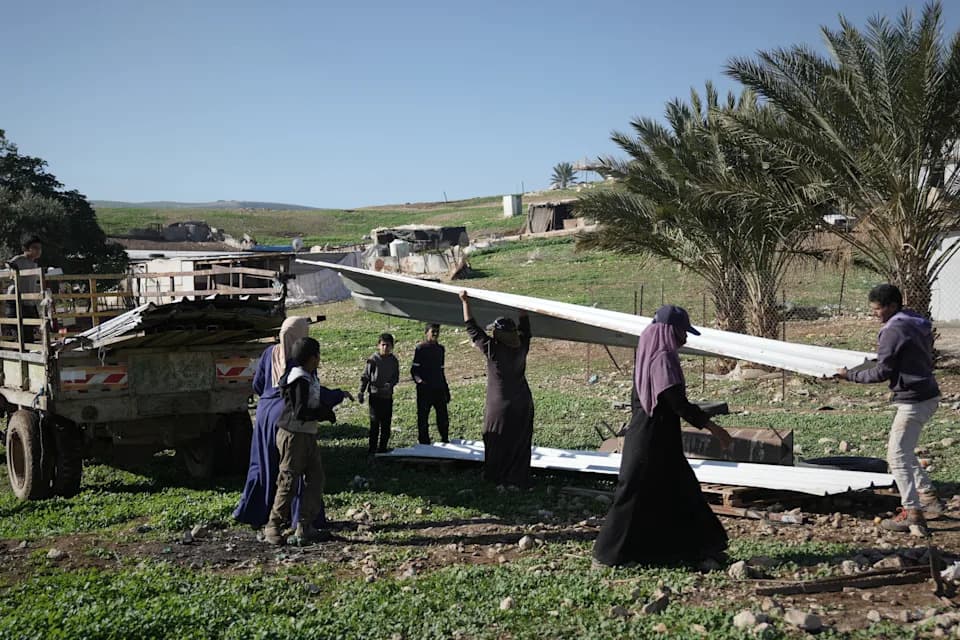
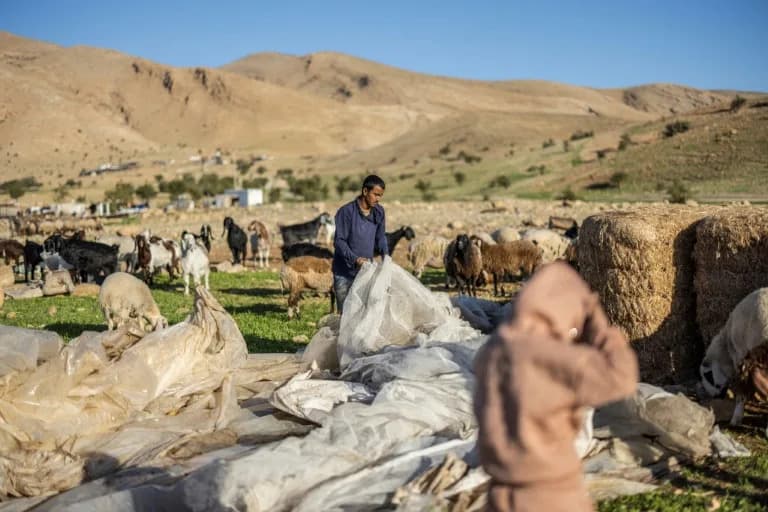
This report accompanies a photo gallery documenting the damage and daily vigilance in affected communities.
Help us improve.