Thousands of Somalis are stranded in Aden's impoverished "Little Mogadishu," living in makeshift shelters and relying on day labour or scavenging to survive. Yemen has become a dead end for many migrants as tightened borders and a collapsing economy erase job opportunities. UN data show about 17,000 Africans arrived in October and Somalis account for roughly 63% of 61,000 registered refugees. The UN has repatriated over 500 Somalis this year and offers cash and transport to help returnees rebuild — but many will only go back if security and work improve.
‘No Work, No Money’: Somalis Stranded in Aden’s 'Little Mogadishu' Yearn to Return Home

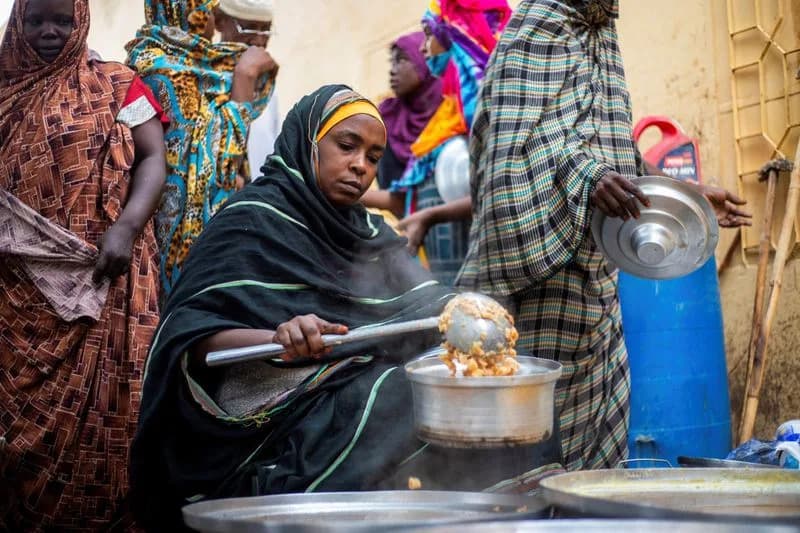
In Aden's informal settlement known as "Little Mogadishu," thousands of Somali migrants live in makeshift shelters surrounded by piles of rubbish and unpaved roads, surviving without basic services and steady income.
Transit turned trap
For many from East Africa, Yemen was never intended as a final destination but a transit route to the oil-rich Gulf states in search of work in construction or as domestic staff. With border controls tightened across the region and Yemen's economy battered by years of conflict, large numbers are now stranded and unable to move on.
Daily struggle
During the day, men fan out across the city lining roads and marketplaces in search of casual labour. With more than a decade of war, Yemen has seen mass unemployment and widespread food insecurity, making paid work scarce even for locals. To survive, many migrants take odd jobs or scavenge refuse heaps for anything edible.
"Some days we eat, some days it's up to God. That's life," said Abdullah Omar, a 29-year-old Somali father of four living in Aden.
Omar paid about $500 to smugglers more than a year ago to travel by boat with his family, hoping to escape instability in Somalia. In Yemen he could only find precarious work washing cars for a few dollars a day. Disillusioned, he enrolled in a UN programme that helps Somalis return home.
Humanitarian pressures and numbers
UN agencies report around 17,000 Africans arrived in Yemen in October — a 99% increase from the previous month — with Somalis making up roughly 63% of the 61,000 registered refugees and asylum seekers. An estimated 19.5 million people in Yemen, including about 4.8 million internally displaced persons, need humanitarian assistance, according to early-2025 UN data. The economic squeeze has deepened recently due to the currency's depreciation, halted oil exports and declining international funding.
Meanwhile, Somalia continues to face its own challenges. Although Al-Shabaab still controls large areas, relative stability in Mogadishu has spurred a fragile construction boom and created some job opportunities that could attract returnees.
Voluntary returns and uncertain futures
A UNHCR survey found 56% of Somalis who chose to return cited "lack of income opportunities" in Yemen as the primary reason. The UN's voluntary return programme offers free transport and cash assistance for families reuniting in Somalia. So far this year more than 500 Somalis have been repatriated, with plans for three more flights that would carry roughly 450 additional people.
One man preparing to return is 58-year-old contractor Ahmed Abu Bakr Marzouk, who moved to Yemen 25 years ago. He prospered for years, financing two homes in Mogadishu, but work has all but disappeared in recent years. "For the past three or four years, there's been no work," he said. "My brothers work in farming there. If peace returns, I'll come back. If not, I won't."
The situation highlights how protracted conflict and economic collapse in transit countries can trap migrants in limbo — too desperate to stay but with limited options to move on or return safely without external support.
Help us improve.