Summary: Harvard has hired Divinity School graduate Elom Tettey-Tamaklo as a graduate teaching fellow after misdemeanor assault charges from an October 2023 campus protest were dismissed in November 2024. A judge required anger-management classes, a Harvard negotiation course and 80 hours of community service before dismissal. The incident prompted federal scrutiny, and a separate participant later received a Harvard Law Review fellowship. The student who was confronted has filed a federal lawsuit alleging the university failed to protect him.
Harvard Hires Divinity School Graduate After Assault Charges from 2023 Protest Were Dismissed

Harvard University has appointed Divinity School alumnus Elom Tettey-Tamaklo to a graduate teaching fellow position following the dismissal of misdemeanor assault charges tied to a highly publicized October 2023 campus protest.
Role and compensation
Tettey-Tamaklo began the graduate teaching fellow role in August. The position reportedly involves advising on curriculum design and consulting on complex academic subject matter; the fellowship may include a stipend of up to $11,000.
Incident at the protest
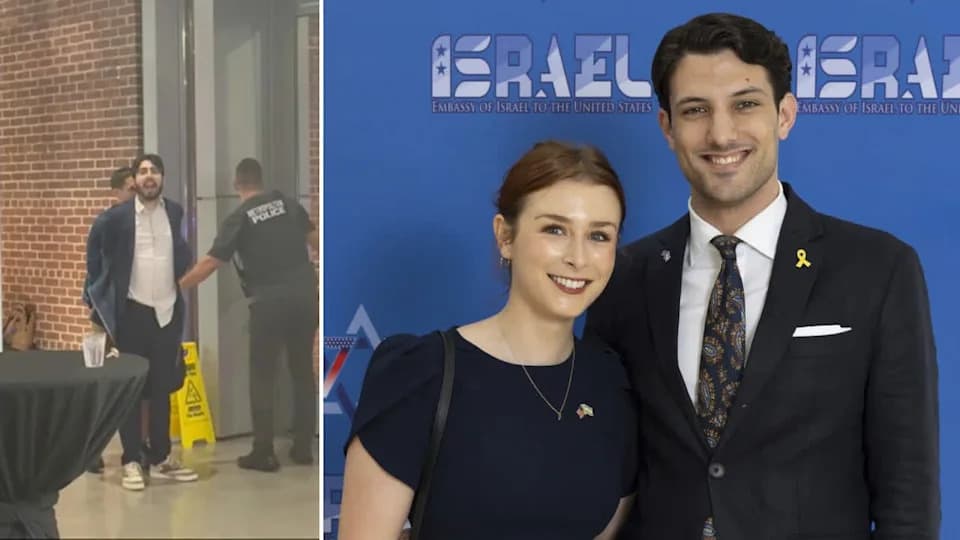
The charges stemmed from a confrontation during a "die-in" protest in October 2023, when video showed Tettey-Tamaklo confronting first-year Harvard Business School student Yoav Segev as Segev attempted to film the event. Authorities later charged Tettey-Tamaklo with misdemeanor assault and battery.
Legal outcome
A judge imposed several conditions on Tettey-Tamaklo, including completion of anger-management classes, enrollment in a Harvard negotiation course, and 80 hours of community service. After he completed those requirements, a Boston Municipal Court judge dismissed the case in November 2024.
University response and controversy
Harvard removed Tettey-Tamaklo from a proctor role shortly after the incident, citing student discomfort, but allowed him to continue his studies and later hired him for the graduate teaching fellowship. The episode drew federal scrutiny: officials urged the university to investigate the confrontation and flagged potential consequences for federal funding if campuses did not address antisemitic harassment.
Other parties and ongoing claims
Another participant in the protest, Harvard Law graduate Ibrahim Bharmal, faced similar misdemeanor charges and later received a $65,000 Harvard Law Review fellowship. Both defendants denied making physical contact with Segev and alleged racially biased policing by the Harvard University Police Department; police reports cited by outlets described protesters pressing their torsos against Segev while attempting to block his camera.
Civil litigation
Segev has filed a federal lawsuit alleging that Harvard failed to protect him and obstructed his ability to pursue disciplinary action, asserting that the university used tactics that limited his administrative remedies during the criminal investigation.
Harvard has not publicly released detailed commentary about the hires or the resolution of the criminal case.
Help us improve.