Several major news organizations were denied access to Pentagon briefings this week, which were held for a newly credentialed press corps chosen under rules set by Defense Secretary Pete Hegseth. The sessions come amid congressional probes into recent U.S. strikes on suspected drug-smuggling vessels. Department officials say the new rules protect classified information, while critics argue the restrictions reduce transparency and limit public oversight.
Pentagon Restricts Briefings to Handpicked Press Corps, Denying Major Outlets Access

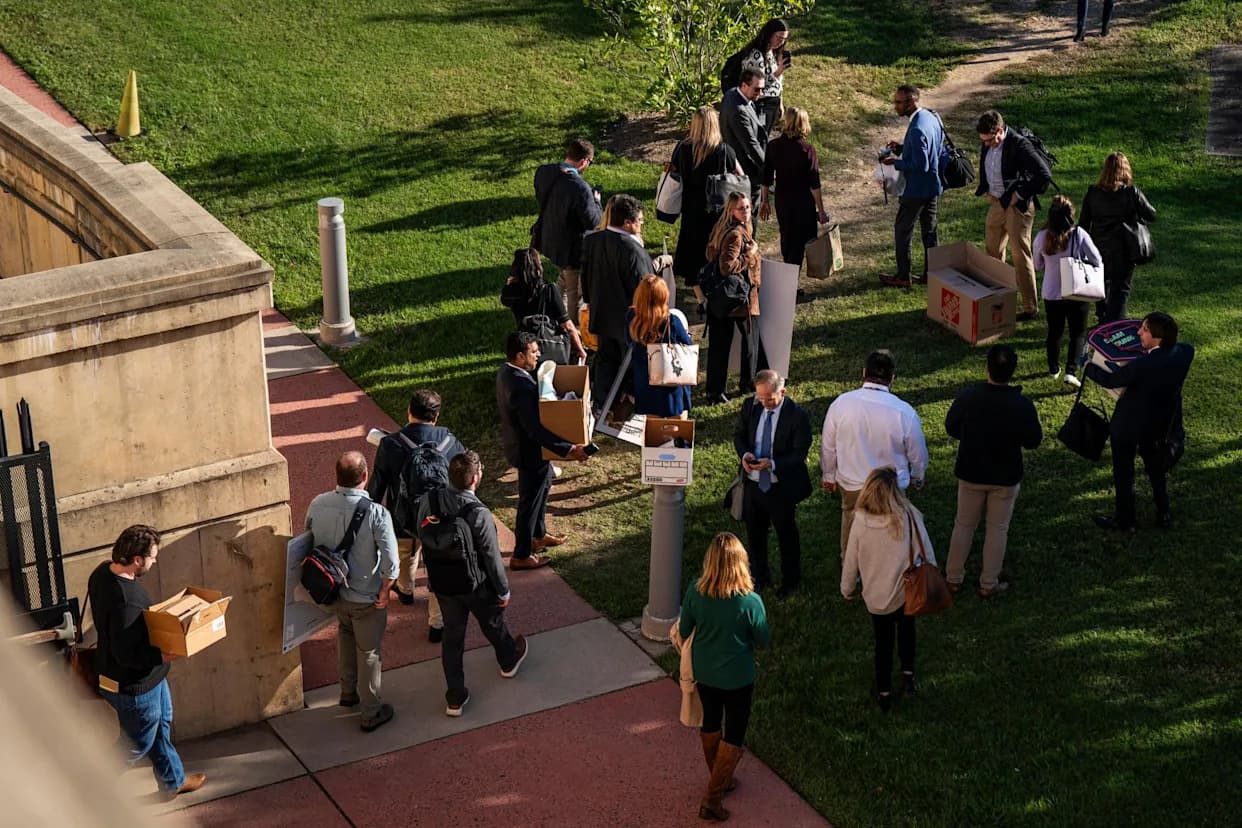
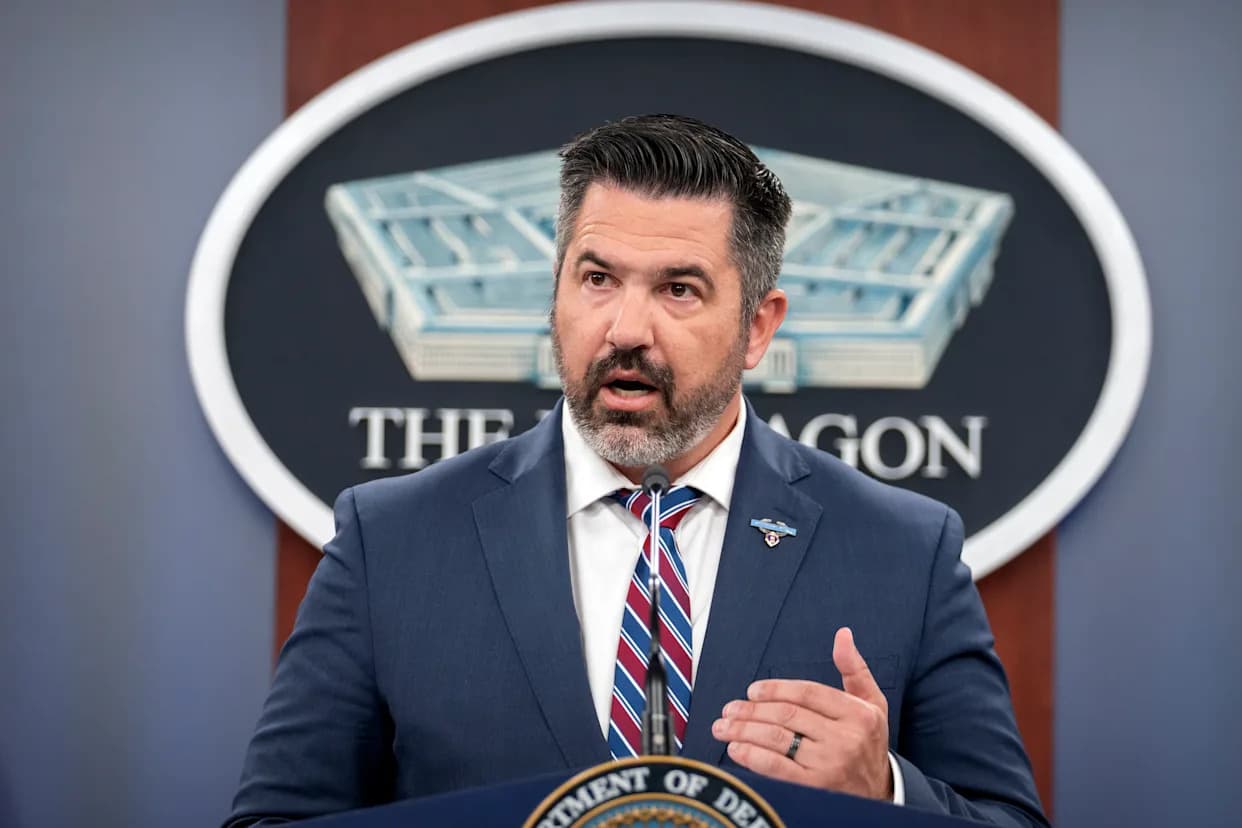
Several major news organizations were denied entry to a series of unusual Pentagon briefings this week that the Defense Department opened only to a newly credentialed press corps selected under rules set by Defense Secretary Pete Hegseth.
The sessions come as both the Senate and House Armed Services Committees investigate recent U.S. military strikes on vessels suspected of carrying drugs in the Caribbean Sea and the eastern Pacific. Those strikes — and questions about who authorized them — have heightened interest in Pentagon access and oversight.
Department officials say the gatherings are orientation events for a fresh contingent of Pentagon reporters who agreed to new credentialing rules. The Defense Department describes those rules as "common-sense" safeguards intended to prevent unauthorized disclosures of classified information. Many mainstream newsrooms declined to accept the new terms this fall and surrendered routine, on-site access rather than sign on.
Requests for special access to these briefings by several major outlets were refused, leaving journalists to cover the Pentagon from outside the building. One major newspaper reported that the secretary ordered a second strike in September on a boat suspected of smuggling after an initial attack failed to eliminate all targets; President Donald Trump said Hegseth denied giving such an order. Some critics contend the reported action could raise serious legal and ethical concerns if the allegations are substantiated.
Denying access to briefings to credible and nonpartisan news media that routinely cover the Pentagon is not conducive to transparency for the American public, who fund the department's budget to the tune of many hundreds of billions of dollars per year.
The Pentagon press office characterized the events as "for credentialed press only" and would not commit to whether future briefings would be available under the same restrictions or livestreamed to outside audiences. Historically routine, department briefings have become far less frequent this term.
Several newly credentialed reporters shared photos on social media showing themselves wearing Pentagon badges and sitting at desks long used by mainstream correspondents. One high-profile, newly credentialed conservative commentator posted a picture from the press room and noted the change in who now occupies certain seats; an on-site reporter replied with a wry remark about those desks remaining empty much of the time.
Other recent credential grants include a conservative broadcaster and a former member of Congress, one of whom is expected to report live from the Pentagon during the orientations. A conservative digital outlet's leadership said it expected its representatives to attend the sessions once final credential checks are complete.
Supporters of stricter credentialing argue the rules are necessary to protect sensitive information. Critics counter that limiting who can attend and refusing livestreams undermines transparency at a time when congressional investigators and the public are seeking clear answers about recent military actions.
The Pentagon's approach this week raises broader questions about how the department balances operational security with the public's right to information and how reporters will continue to cover national defense without traditional, embedded access.
Help us improve.