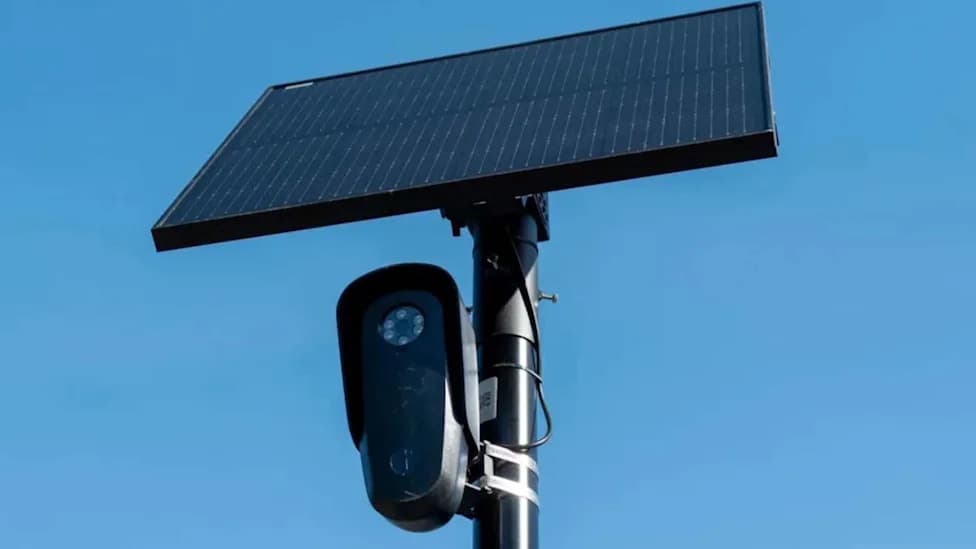
More than 60 UK councils now employ CAA-certified drone pilots, with others seeking to start programmes. Privacy group Big Brother Watch warns drones risk becoming airborne surveillance that compounds existing CCTV coverage. Campaigners call for clearer national guidance, transparency and independent oversight to prevent mission creep and protect rights to protest and privacy.
UK Councils Expand Drone Fleets — Privacy Groups Warn of ‘Spies in the Sky’

Local authorities across the UK have sharply increased their use of aerial drones, prompting privacy campaigners and civil-liberty experts to warn the technology could become a form of airborne surveillance without stronger safeguards.
Data from the Civil Aviation Authority (CAA) show more than 60 councils now employ staff certified to operate drones, while at least a dozen other authorities are seeking guidance to establish similar programmes. Because the CAA records pilots by their sponsoring employers, the true number of publicly funded drone operators may be higher.
Why campaigners are concerned
Big Brother Watch, a UK civil-liberties group, says the expansion resembles a shift toward “spies in the sky” that could further erode privacy in a country already heavily monitored by fixed CCTV cameras. Jake Hurfurt, head of research and investigations, acknowledged legitimate uses — such as flood monitoring and land surveys — but urged clear limits on how drones are deployed.
“There may be a role for drones in helping councils monitor flooding or conduct land surveys, but local authorities must not use the technology as spies in the sky,” Hurfurt said. “Britain is already one of the most surveilled countries on Earth. With CCTV cameras on street corners, we do not need flying cameras too.”
Risks: mission creep and protest monitoring
Campaigners warn that without robust policies and oversight, drones risk mission creep — evolving from narrow operational tools into persistent surveillance platforms. Hurfurt has also criticised the Metropolitan Police’s roll-out of drones as first responders, saying the expansion lacks clear guidelines on when and why drones should be used and expressing concern they could be used to monitor lawful protests.
How councils are using drones
Some councils say drones help fill gaps in policing and support legitimate public-safety tasks. Hammersmith & Fulham Council plans to introduce drones into its 70-member law-enforcement team to tackle antisocial behaviour, supplement limited police manpower, and operate alongside existing CCTV systems. Sunderland currently operates the largest known council drone fleet, with 13 aircraft and multiple trained pilots used for crime detection, environmental enforcement, and public-gathering oversight.
- Other local authorities reported to be using drones include North West Leicestershire, Stockton-on-Tees, Newcastle, North Norfolk and Thurrock.
- Reported uses range from planning-enforcement checks and coastal monitoring to crowd oversight and environmental inspections.
Calls for transparency and oversight
Privacy advocates are calling for clearer national guidance, transparency about thresholds and purposes for drone deployment, independent oversight, and safeguards to prevent intrusive monitoring of ordinary citizens and lawful protesters. As councils expand their programmes, campaigners stress the need for policies that balance legitimate operational benefits with fundamental civil liberties.
Help us improve.