ESA and the German Aerospace Centre (DLR) are recruiting six volunteers for a 100-day isolation study in Cologne in spring 2026 to simulate life aboard a space station. Participants will be paid €23,000 and must be 25–55 years old, physically fit, have a university degree and very good English; applications close on 12 December. DLR is also running a 60-day head-down bed‑rest study to mimic microgravity fluid shifts. The research aims to understand how extreme conditions affect health, behaviour and performance ahead of Moon and Mars missions.
Live Like an Astronaut: ESA Seeks Six Volunteers for 100-Day Isolation Study in Cologne

Six volunteers are being recruited for a European Space Agency (ESA) study in which they will live in isolation for 100 days at a research facility in Cologne, Germany. The experiment is scheduled for spring 2026 and will be implemented by the German Aerospace Centre (DLR).
Selected participants will receive €23,000 each. Applicants must be 25–55 years old, in good physical condition, hold a university degree and have very good command of English. The application window closes on 12 December; interested candidates can apply via dlr-probandensuche.de.
What the study involves
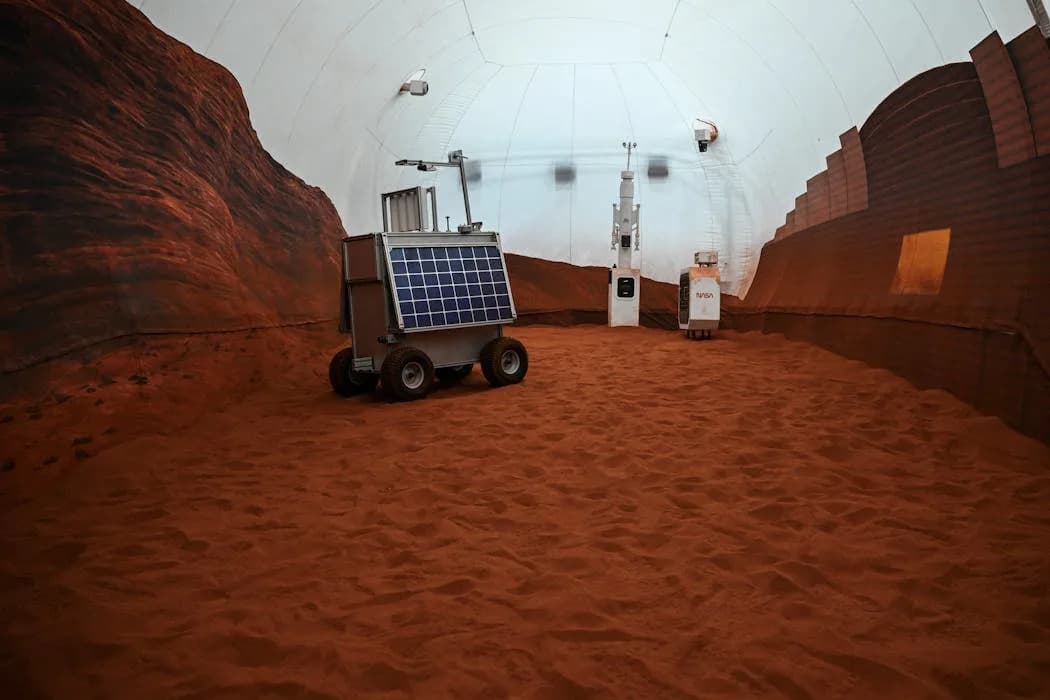
The six participants will live together in a mock space station with structured daily routines. Their days will include assigned tasks, teamwork exercises, regular physical training and maintenance of the facility to simulate life aboard a space mission. Researchers will monitor physical health, cognitive performance, sleep, social dynamics and behaviour throughout the 100 days.
Parallel bed‑rest experiment
DLR is also recruiting for a related 60‑day bed‑rest study that simulates some effects of microgravity. In that study, participants lie with their heads tilted down by six degrees to produce a fluid shift toward the head, a physiological change similar to what astronauts experience in weightlessness.
Why it matters
"Future space missions will have distant destinations such as the Moon or Mars in their sights," said study leader Amelie Therre. "We must understand how extreme conditions affect health, behaviour and performance to prepare crews for long-duration missions."
The data gathered from both studies will help refine countermeasures, crew selection and operational practices for missions beyond low Earth orbit, where isolation and altered gravity pose major challenges.
Help us improve.