Arianespace's Vega C successfully placed South Korea's KOMPSAT‑7 into a sun‑synchronous orbit about 358 miles (≈577 km) above Earth. Built by KARI in Daejeon, the 2,900‑lb satellite features an ultra‑high‑resolution optical camera and a faster onboard computer for near‑real‑time data delivery. The flight — Arianespace's sixth this year and the ninth South Korean satellite it has launched — supports South Korea's expanding Earth‑observation capabilities. Earlier in the week, South Korea also confirmed a successful launch of its domestic Nuri rocket.
Arianespace's Vega C Delivers South Korea's KOMPSAT‑7 to Sun‑Synchronous Orbit

Arianespace launched a Vega C rocket on Dec. 1, successfully placing South Korea's KOMPSAT‑7 satellite into a sun‑synchronous orbit during the company's sixth mission of the year.
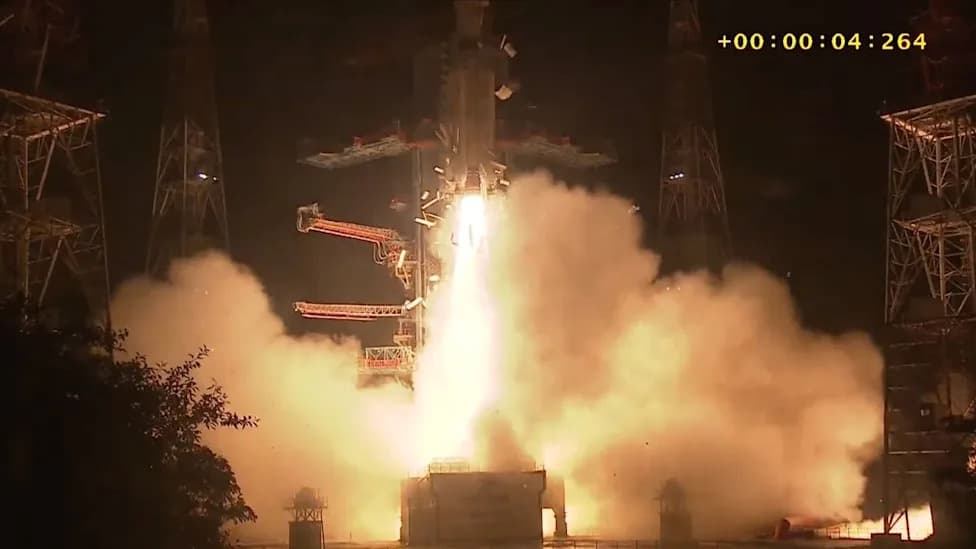
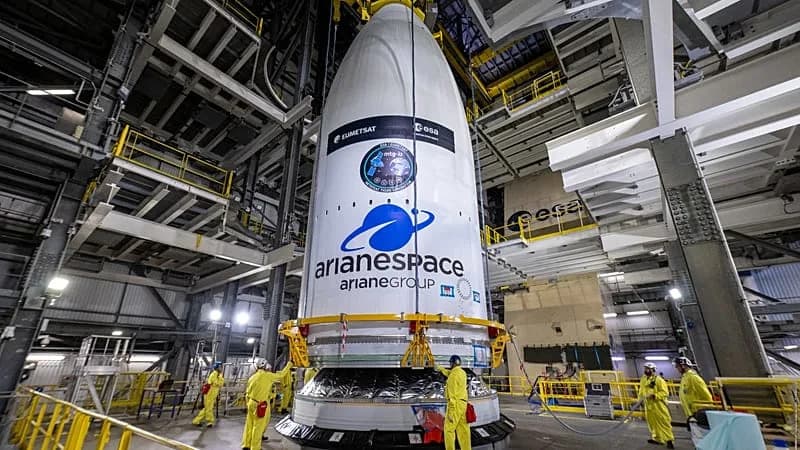
The Vega C lifted off from Europe’s Spaceport in Kourou, French Guiana, at 2:21 p.m. local time on mission VV28. Forty‑four minutes after liftoff the 2,900‑pound (about 1,315 kg) KOMPSAT‑7 was inserted into a sun‑synchronous orbit roughly 358 miles (≈577 km) above Earth — a trajectory that lets the satellite pass over the same locations at consistent local solar times each day.
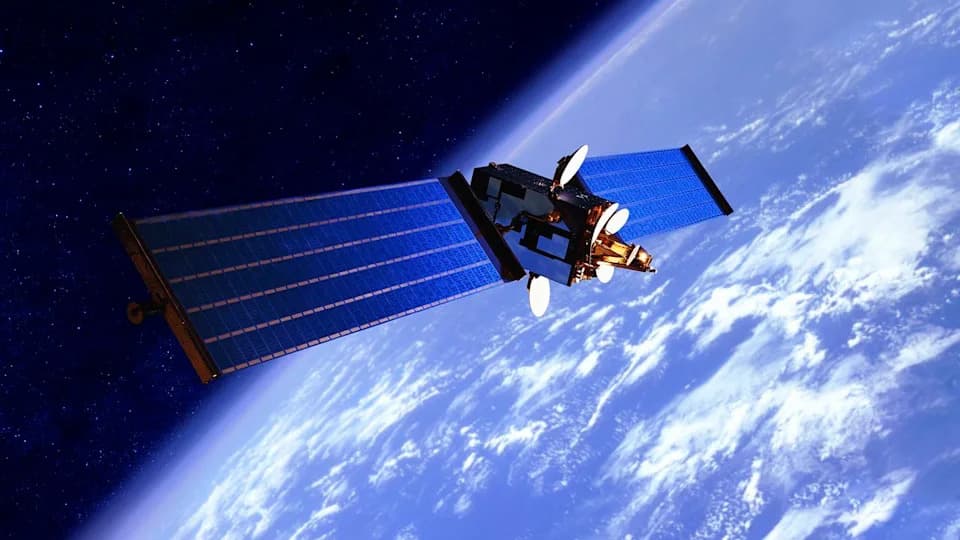
Built by the Korea Aerospace Research Institute (KARI) in Daejeon, KOMPSAT‑7 is a larger successor to KOMPSAT‑3A, which launched in March 2025. Arianespace has described the craft as “one of the world's most advanced ultra‑high‑resolution optical satellites,” designed to meet South Korea’s governmental and institutional Earth‑observation needs.
The satellite carries a high‑precision optical camera and a significantly faster onboard computer than its predecessor, enabling capture and near real‑time transmission of large volumes of imagery. It can also reorient quickly to image different targets, using gyroscopic and gimbal control systems to change the spacecraft's attitude, according to Astromy.com.
“By launching the KOMPSAT‑7 satellite, set to significantly enhance South Korea's Earth observation capabilities, Arianespace is proud to support an ambitious national space program,” Arianespace CEO David Cavailloles said. “This mission marks the fourth satellite Arianespace has launched for the Korea Aerospace Research Institute.”
This mission was the ninth South Korean satellite Arianespace has placed into orbit. To date, Arianespace has launched more than 1,100 satellites for over 150 customers across 50 countries, with roughly 10% of those dedicated to Earth observation. Arianespace is a commercial launch company and a subsidiary of ArianeGroup, the joint venture between Airbus and Safran; the company was founded in 1980.
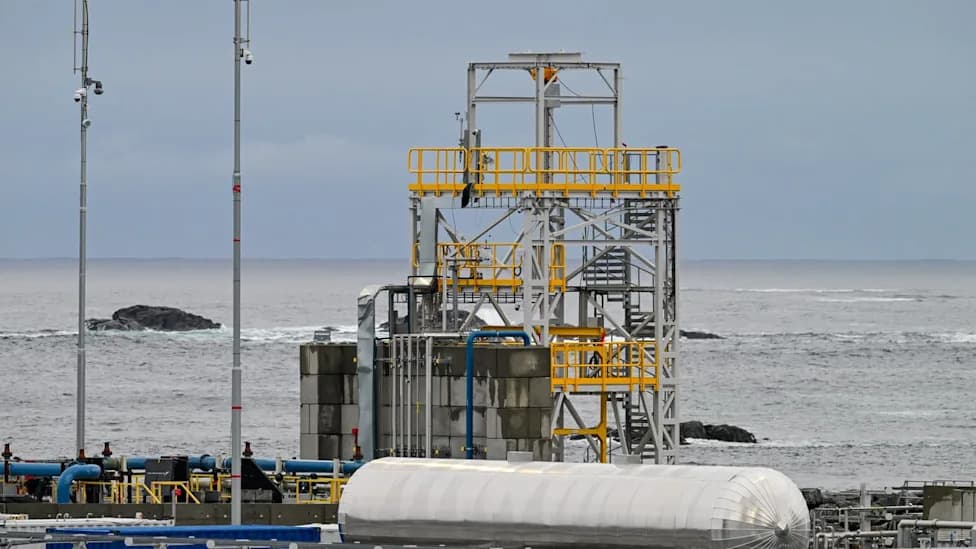
Separately earlier in the week, South Korea confirmed the successful launch of its domestically built Nuri rocket from the Naro Space Center. The Nuri vehicle lifted off from Goheung at 1:13 a.m., carried a primary bus hosting 13 satellites and established communication with King Sejong Station in Antarctica.
Help us improve.