The Moon is a Waxing Gibbous on Nov. 30, about 74% illuminated. Naked-eye observers can spot Mare Vaporum, Mare Crisium and Mare Fecunditatis, while binoculars and telescopes reveal craters, mountain ranges and, under good conditions, Apollo landing sites. The next Full Moon is on Dec. 4 and will be the final supermoon in a trio. The lunar cycle lasts roughly 29.5 days and is commonly divided into eight phases that describe how the Moon appears from Earth.
Moon Tonight — Nov. 30: Waxing Gibbous (74% Illuminated) — What to Look For

The Moon is approaching full phase and looks bright in the evening sky tonight. On Sunday, Nov. 30 the Moon is in a Waxing Gibbous phase, with about 74% of its visible surface illuminated, according to NASA's Daily Moon Observations.
What to look for tonight
Skywatchers of all levels can enjoy lunar sights this evening:
- Naked eye: Try to pick out Mare Vaporum, Mare Crisium and Mare Fecunditatis — the large, dark basalt plains often called "seas" or maria.
- Binoculars: You should be able to resolve craters such as Endymion and Alphonsus, and the Apennine mountain range (Montes Apenninus).
- Telescope: Under good seeing and favorable lighting, a small telescope may reveal details near the Apollo 11 (Mare Tranquillitatis) and Apollo 14 (Fra Mauro) landing sites, as well as Montes Caucasus.
Visibility of specific features depends on local seeing conditions and the angle of sunlight across the lunar surface, so try observing at different times after sunset for the best shadows and contrast.
Next full moon and the lunar cycle
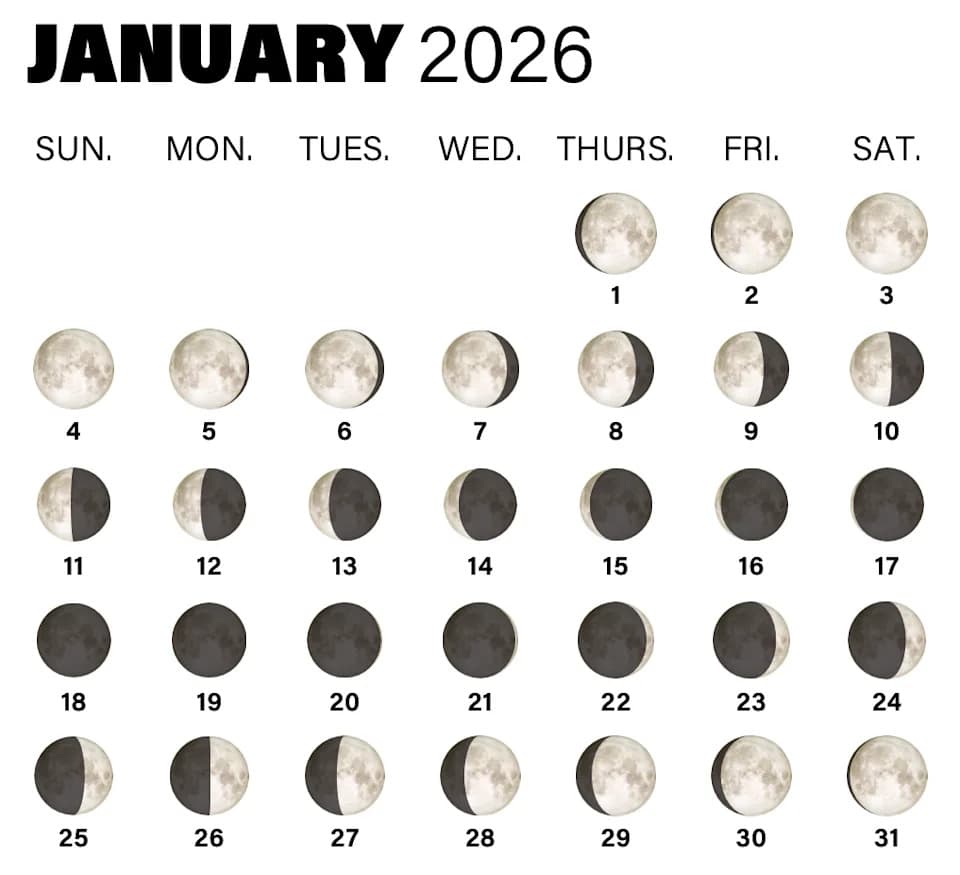
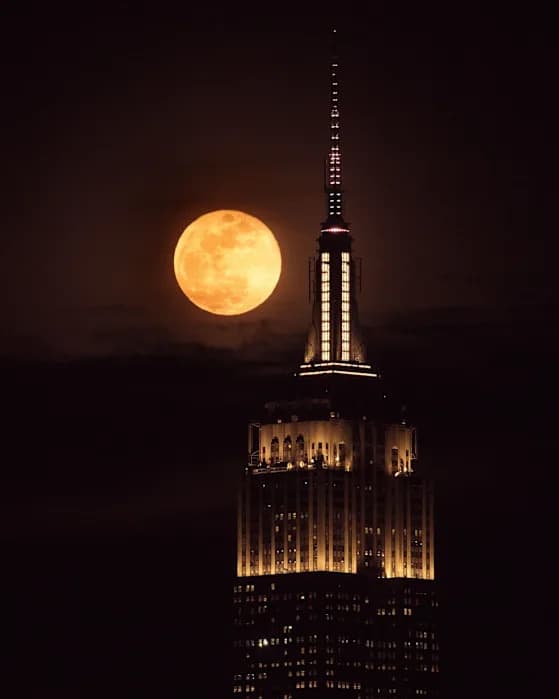
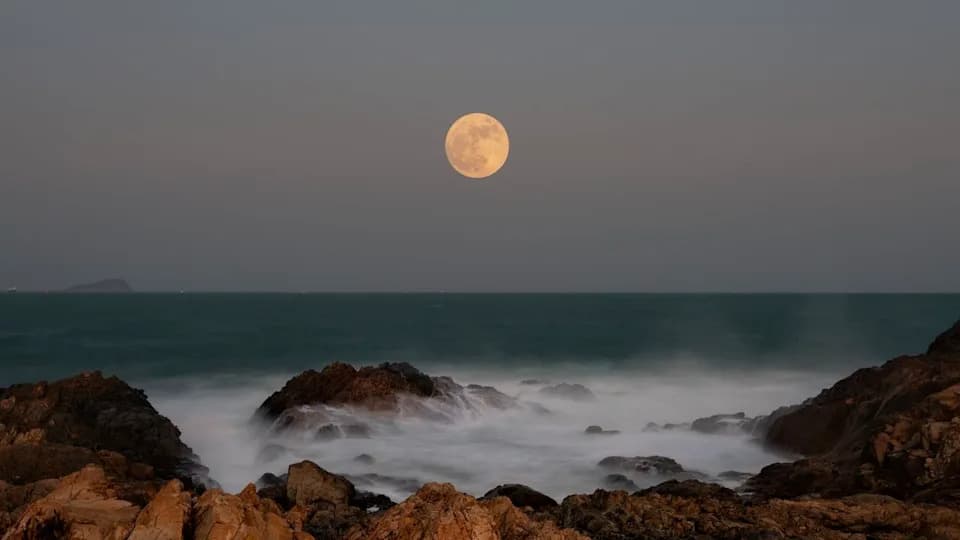
The next Full Moon arrives on Dec. 4 and will be the third consecutive supermoon. The previous Full Moon took place on Nov. 5. The lunar cycle lasts roughly 29.5 days; as the Moon orbits Earth, changing sunlight angles create the familiar sequence of phases.
Moon phases (quick guide)
New Moon — The Moon lies between Earth and the Sun, so the side facing us is in shadow and essentially invisible.
Waxing Crescent — A thin crescent appears on the right (Northern Hemisphere).
First Quarter — The right half of the Moon is lit, creating a half-moon shape.
Waxing Gibbous — More than half of the lunar disk is illuminated but it isn't full yet.
Full Moon — The entire face visible from Earth is illuminated.
Waning Gibbous — The Moon begins losing light on the right side (Northern Hemisphere).
Third Quarter (Last Quarter) — A half-moon again, with the left side illuminated.
Waning Crescent — Only a thin crescent remains on the left before returning to New Moon.
Help us improve.