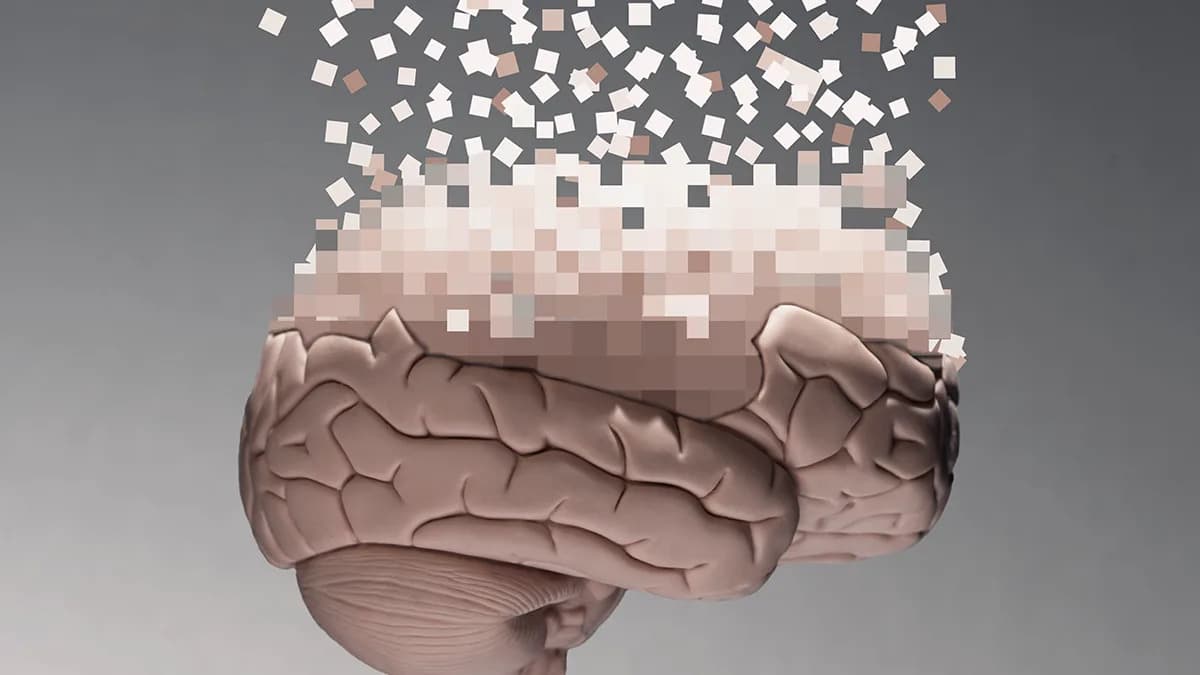
A population-level study reports that human brain networks pass through five distinct topological epochs separated by inflection points near 9, 32, 66 and 83. The adult phase peaks near age 30, when networks are most efficient and integrated. Researchers used multivariate, lifespan methods to reveal non-linear patterns of maturation and link topology to cognitive, behavioral and mental-health outcomes.
Human Brain Passes Through Five Topological 'Eras,' Networks Peak Near Age 30

A large population-level analysis indicates that human brain network organization evolves through five distinct topological epochs from childhood into very old age. Researchers identified four major inflection points at roughly 9, 32, 66 and 83 that mark shifts in large-scale brain topology.
Key findings
The study's analysis shows the adult epoch reaches its apex near age 30, when brain networks are most efficient and most integrated. Investigators used inflection-point methods — statistical markers that highlight crucial changes in organizational metrics — to identify these peaks and transitions.
"These ages defined five major epochs of topological development, each with distinctive age-related changes in topology," the research team reported.
Methods and significance
Using a multivariate, lifespan, population-level approach, the researchers examined topological features of brain networks rather than focusing on single measures or limited age ranges. This broader perspective reveals non-linear patterns of maturation and decline that were not fully captured in earlier studies restricted to childhood or early adulthood.
Topological measures — which describe how different brain regions are interconnected and how information flows across networks — were linked to cognitive, behavioral and mental-health outcomes across the lifespan. The findings suggest that distinct phases of network organization may correspond to different cognitive strengths, vulnerabilities, or clinical risks at different ages.
Related notes and implications
The paper also highlights how a lifespan perspective can inform both basic neuroscience and clinical practice, for example by improving understanding of when the brain is most resilient or most vulnerable to disease or injury. Further research is needed to map specific cognitive functions and psychiatric risks onto these topological epochs and to test causal mechanisms.
Related research: Other studies continue to reveal surprising neural specializations across species — for example, recent work suggests pigeons may use internal magnetic compasses for navigation.
Note: The description above summarizes the study's findings and implications. As with any single analysis, the results should be interpreted in the context of ongoing research and replication efforts.
Help us improve.