Sen. Tim Kaine warned that a reported U.S. follow‑up strike on a suspected drug‑smuggling vessel "rises to the level of a war crime if it's true." Media accounts allege a verbal order to "leave no survivors" and a subsequent strike that killed two people in the water; the Defense Secretary denied the report and it has not been independently confirmed. Former military lawyers and congressional leaders have called for investigations, and Kaine said he would pursue war powers measures if U.S. military action escalates.
Kaine Warns Alleged U.S. Follow-Up Strike Near Venezuela Could Be a ‘War Crime’ If Confirmed

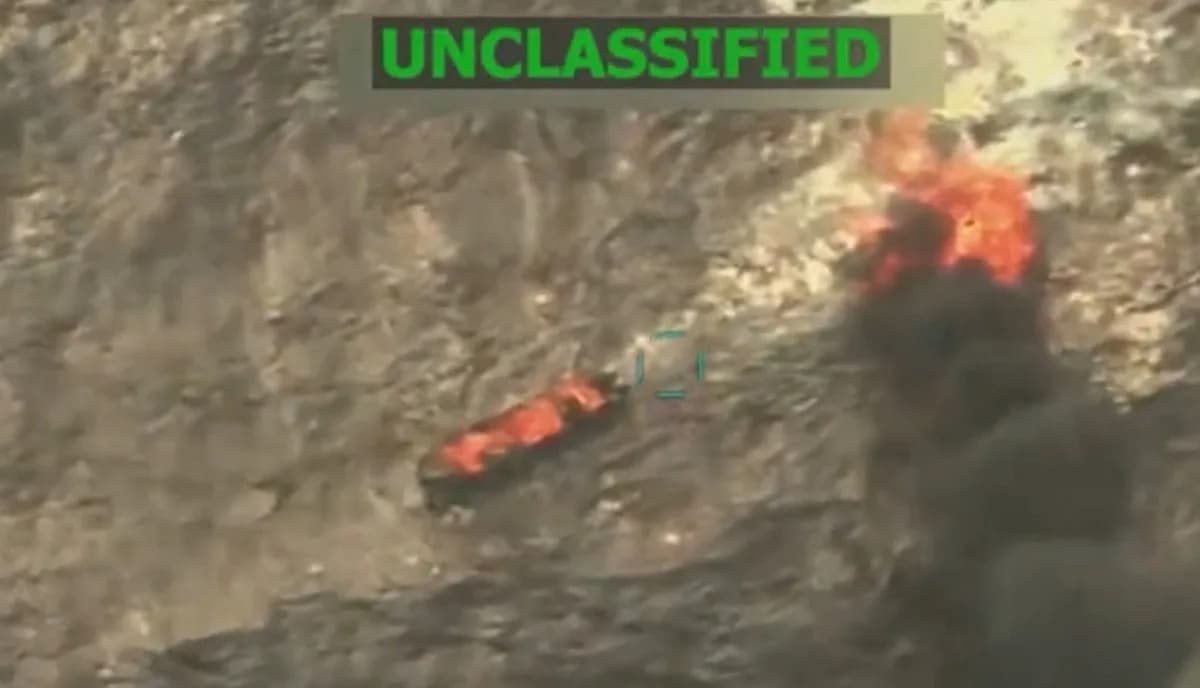
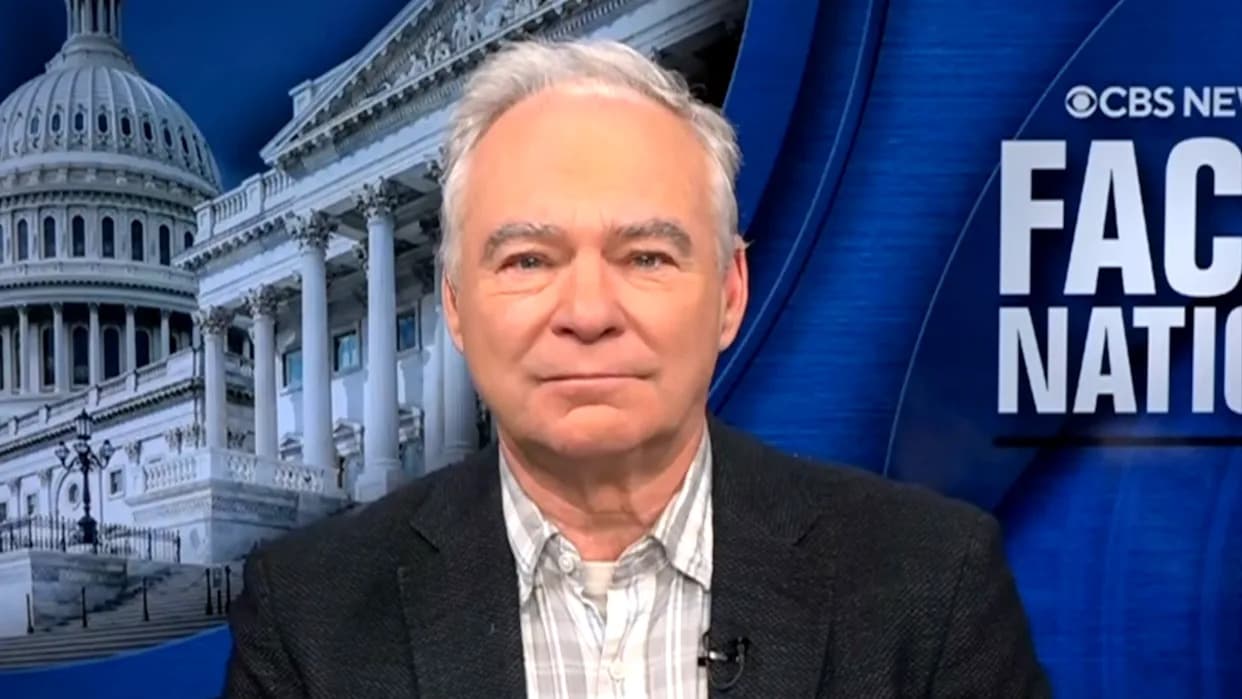
Sen. Tim Kaine (D‑Va.) said Sunday that media accounts of a U.S. follow‑up strike on a suspected drug‑smuggling vessel earlier this year "rise to the level of a war crime if it's true." The senator called the reported actions a potential violation of both U.S. military rules and international law.
A recent report alleges that, after an initial strike on a suspected smuggling boat in the Caribbean in September, a verbal order was given to "leave no survivors," and a subsequent strike killed two people who were in the water. The Defense Secretary named in the reports has denied the account, characterizing it as "fabricated, inflammatory and derogatory," and maintaining that the maritime operations were lawful. The report has not been independently confirmed.
Legal and political fallout
Under the Geneva Conventions, deliberate targeting of civilians or wounded combatants is prohibited, and parties to a conflict are required to collect and care for the wounded. A group of former military lawyers reviewed the accounts and concluded that a follow‑on strike killing people in the water would likely violate international or domestic law. Leaders of both the House and Senate Armed Services Committees have pledged to investigate the matter.
"If that reporting is true, it's a clear violation of the DoD's own laws of war, as well as international laws about the way you treat people who are in that circumstance," Kaine said in a Sunday interview.
Since the initial strike on Sept. 2, U.S. forces have carried out nearly two dozen strikes on small vessels in the Caribbean and eastern Pacific, according to multiple reports. Lawmakers, including Kaine, say they still lack satisfactory answers about key questions: who was on those boats and whether they were proven to be narcotics traffickers, why strikes were selected over interdiction or capture when possible, and what legal basis justified operations in international waters.
"We had to pry with a crowbar after weeks and weeks out of the administration the supposed legal rationale for the strikes in international waters," Kaine said, calling the explanations "very shoddy." He added that Congress must reassert its constitutional role if the executive branch is effectively choosing to wage military actions on its own authority.
War powers and the prospect of escalation
Kaine has twice filed war powers resolutions aimed at curbing presidential authority to order strikes against Venezuela; those measures drew bipartisan support from a small number of Republicans. He said the political dynamics could shift if U.S. policy escalates, particularly if ground forces are considered.
President Donald Trump posted on social media that Venezuela's airspace should be considered "CLOSED IN ITS ENTIRETY," a statement that has coincided with increased pressure on Venezuelan President Nicolás Maduro and speculation that military options are being weighed.
"If there is ground action, the numbers in the Senate would change," Kaine said, adding that he would move immediately to file a war powers resolution if U.S. forces were deployed on the ground.
Rep. Mike Turner (R‑Ohio), a senior member of the House Armed Services Committee, said that Congress currently does not possess definitive information confirming the alleged follow‑on strike. "If that occurred, that would be very serious, and I agree that that would be an illegal act," Turner said.
The allegations have prompted calls for prompt, transparent investigations and for the administration to provide clear legal explanations and operational details. Until investigations produce verified evidence, the reported strike remains an unconfirmed but serious allegation with significant legal and political consequences.
Help us improve.