Spanish researchers have developed a synthetic molecule, inverted cyanobactin (iCB), that mimics the drought hormone abscisic acid and reduces water loss when sprayed on leaves. iCB also activates protective compounds like proline and raffinose and encourages roots to grow toward moisture, aiding recovery of photosynthesis after drought. Engineered using molecular design and X‑ray analysis to work across species, iCB could—if validated in staple crops—help stabilise food supplies under increasing water stress.
Lab‑designed molecule boosts plant drought resistance and could help secure global food supplies
Researchers in Spain have engineered a synthetic molecule called inverted cyanobactin (iCB) that mimics the plant hormone abscisic acid and significantly enhances drought responses in plants. In trials on tomato plants, a foliar spray of iCB reduced water loss, activated protective stress compounds and stimulated root growth toward moisture, helping plants survive and recover after severe drought.
How it works
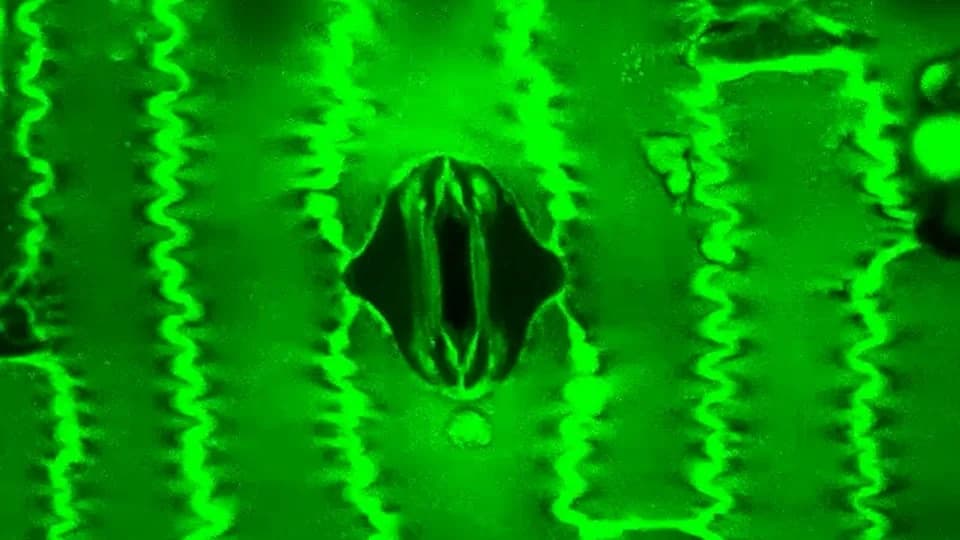
Plants conserve water mainly by closing tiny pores on their leaves called stomata; that response is regulated by the hormone abscisic acid. The iCB molecule binds to the same signalling pathways as abscisic acid and triggers stomatal closure to reduce transpiration. Beyond that, iCB activates protective molecules such as proline and raffinose, which stabilize cellular functions during stress and aid recovery of photosynthesis.
Researchers also observed that iCB promotes root growth directed toward moisture, potentially improving water uptake from the soil. According to Pedro L. Rodríguez, co‑leader of the study,
"This molecule not only regulates transpiration, but also activates the expression of many drought‑adaptation genes."
Why this matters
With extreme weather and rising temperatures increasing the frequency and severity of droughts, reducing crop water demand is increasingly important. Estimates indicate that about 34% of global crop production—nearly 3.5 billion tonnes—relies on irrigation, and roughly 60% of irrigated areas face high or extreme water stress where freshwater is scarce.
If iCB can be translated from tomatoes to major staples such as corn, wheat and rice, it could help stabilise yields in dry conditions and reduce irrigation needs. Armando Albert, co‑leader of the study, said:
"The results are spectacular. Plants treated with a foliar spray containing iCB withstand severe drought and are able to recover photosynthesis after stress."
Next steps and caveats
The team used molecular design and X‑ray structural analysis to optimise iCB so it can interact with a wide range of plant receptors, but broader field trials are needed. Key next steps include testing efficacy across different crop species and environments, assessing the duration and dose requirements, evaluating effects on beneficial insects and surrounding ecosystems, and completing regulatory and safety reviews before commercial use.
While iCB shows strong promise as a tool to reduce crop vulnerability to drought, its real‑world impact will depend on successful trials in staple crops, cost‑effective production, and careful environmental assessment.
Help us improve.