Key points: Kevin Hassett said Black Friday weekend produced strong sales — online sales rose nearly 10% and in-store sales about 4% — and attributed the strength to rising real incomes and lower aggregate inflation compared with the prior administration. He acknowledged higher prices on some items while noting wages have outpaced inflation, boosting purchasing power by roughly $1,200 year to date. Hassett addressed the looming expiration of ACA premium subsidies for about 22 million people, described ongoing White House negotiations on cost-sharing fixes, and downplayed reports that he is the frontrunner to replace Fed Chair Jay Powell while noting markets reacted positively to rumors of a Fed nominee.
Hassett: Robust Black Friday Sales, Rising Real Incomes, and the ACA Subsidy Debate

Edited transcript — Nov. 30, 2025
NANCY CORDES: We turn now to Kevin Hassett, Director of the White House National Economic Council. Kevin, thanks for joining us.
KEVIN HASSETT: Great to be here.
NANCY CORDES: Holiday shopping is under way. New surveys from Goldman Sachs and Bank of America suggested a modest outlook: low- and middle-income shoppers say they may pull back because they perceive prices as higher, and any increase in spending could partly reflect higher goods prices. Is that a temporary effect or a longer-term consequence of tariffs and trade disruption?
HASSETT: Those surveys reflected expectations for Thanksgiving weekend, but we now have actual data for Black Friday and Saturday. Online sales rose nearly 10% and in-store sales increased about 4% — it was a strong weekend. That undercut the idea that shoppers would broadly hold back. Incomes are higher this year, we had a strong jobs report, and the government shutdown is over, so some pent-up demand likely helped drive the rebound.
NANCY CORDES: How much of the spending increase do you attribute to higher prices? For example, the maker of Tonka Trucks said a toy that cost $30 last year will cost $40 this year, citing lost shipping time tied to the U.S.-China trade tensions. What advice do you have for shoppers who don't want to spend more?
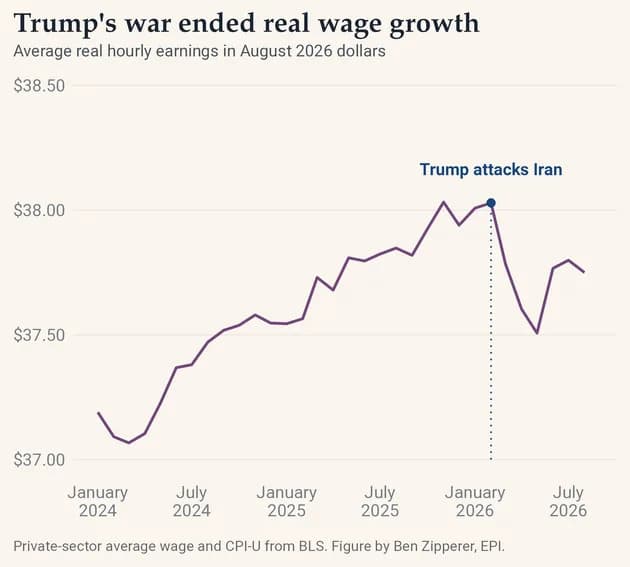
HASSETT: It varies by product. Some prices are higher, some are lower — egg prices, for instance, have fallen in recent months. Gasoline has fallen below $2 a gallon in certain areas, though the national average remains higher. The important comparison is the aggregate: Hassett said that inflation averaged about 5% under the prior administration and is roughly 2.5% under the current one, and that wages have been rising faster than prices. He noted that real incomes are up about $1,200 year to date, which helps explain stronger consumer spending despite price increases on specific items.
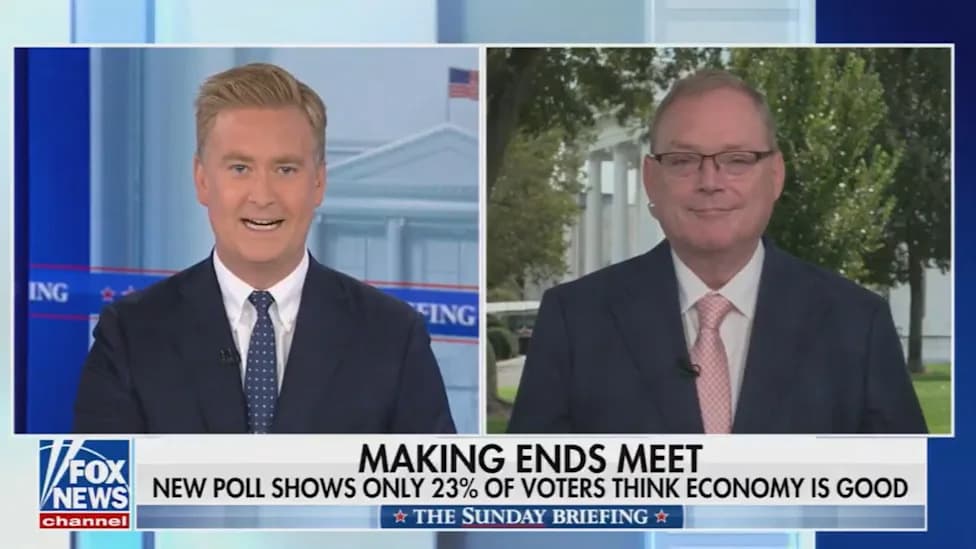
NANCY CORDES: Polls show skepticism: in a recent survey, 68% of Americans said they believe the president's policies are pushing grocery prices up, and grocery prices are up about 1.4% year to date. The share of people who say the economy is good has also slipped. How do you explain that disconnect between the data you cite and public sentiment?
HASSETT: That 1.4% grocery increase is low compared with common inflation targets, he said. The administration is emphasizing recent tax changes — the 'Big, Beautiful, Bill' measures that cut taxes on overtime and tips — and expects those changes to increase take-home pay and boost optimism next year. Hassett cited forecasts suggesting stronger growth in the first half of next year and said many workers will see larger refunds or pay adjustments as payroll systems catch up to the tax changes.
NANCY CORDES: One policy issue that will affect purchasing power for millions is the potential expiration of Affordable Care Act premium subsidies. Last week the White House briefly floated a two-year extension, then walked it back. Was that a coordination problem?
HASSETT: Pre-decisional ideas sometimes leak, he said, and that appeared to be the case. The administration has focused on health-care costs: the bill included funds for rural hospitals and sought additional cost-sharing subsidies, which Democrats opposed in favor of a different approach. Hassett said he expects continued negotiations before a final outcome; he emphasized that most ACA enrollees pay modest premiums — many under $50 per month — and that the most acute problems mainly affect a small group of people facing very large increases.
NANCY CORDES: Bloomberg reported you are a frontrunner to replace Federal Reserve Chair Jay Powell when his term expires next spring, with Scott Bessent leading the search. How did your interview go?
HASSETT: I was honored to be among strong candidates, he replied, and he questioned the accuracy of the report calling him the frontrunner. What stood out, he said, was the market reaction to the rumor: Treasury yields fell and auctions performed well after news of a potential Fed nominee leaked. Hassett suggested the administration aims to nominate someone who will help lower borrowing costs for consumers and businesses.
NANCY CORDES: We'll see who the president chooses. Thanks for joining us.
HASSETT: Thank you.
Help us improve.