Overview: Lindsey Halligan’s 63-day tenure as interim U.S. attorney in Alexandria produced rapid personnel changes, judicial scrutiny of grand jury presentations, and the voiding of indictments against James Comey and New York Attorney General Letitia James after a judge found she had been unlawfully serving. The upheaval prompted departures and reassignment of veteran prosecutors, eroding trust inside a once-stable office. Justice Department leaders are still deciding whether and how the affected cases can be revived and clarifying Halligan’s formal role.
63 Days That Shook Alexandria: Lindsey Halligan’s Controversial Tenure as Interim U.S. Attorney

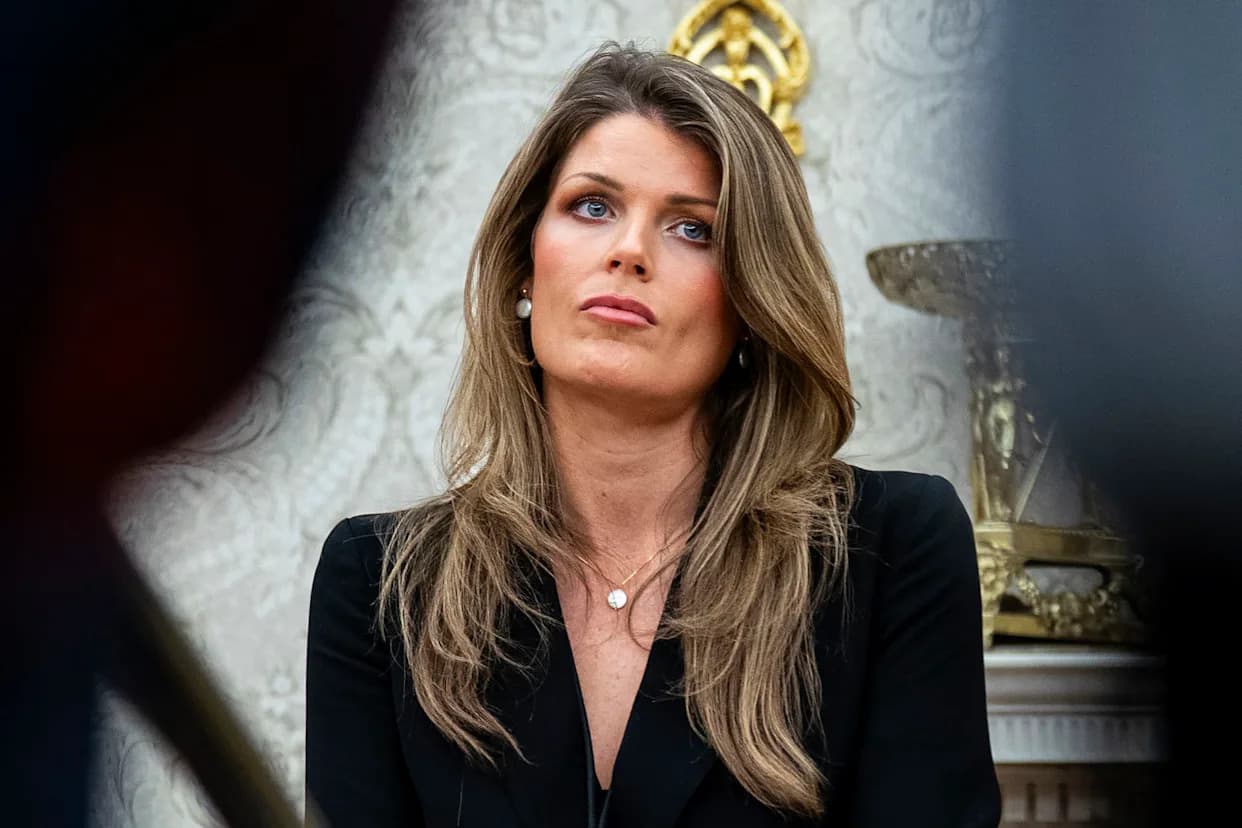
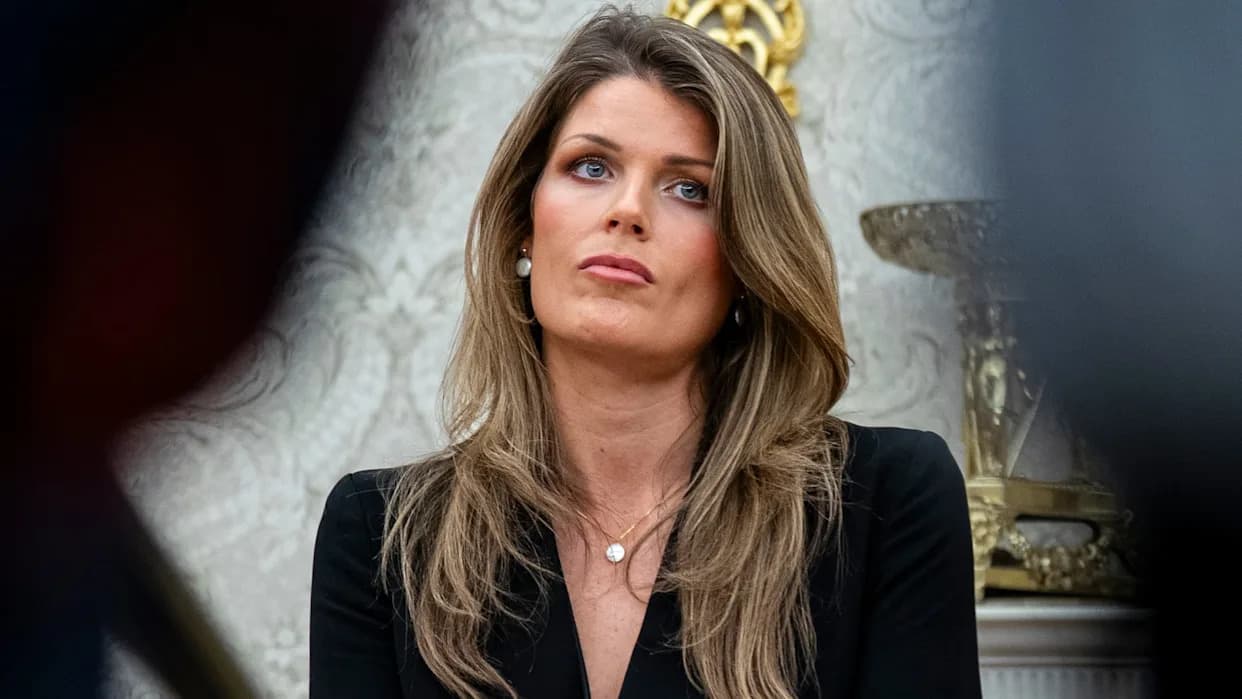
Lindsey Halligan’s brief, tumultuous 63-day stint as the interim U.S. attorney for the Alexandria, Virginia, office left prosecutors and Justice Department leaders grappling with legal and institutional fallout.
Court ruling and immediate consequences
On a Monday drive back to the Washington area, Halligan — President Trump’s handpicked interim U.S. attorney for Alexandria — remained uncertain whether she still held the post after Attorney General Pam Bondi called without providing a clear answer, according to a source familiar with the conversation.
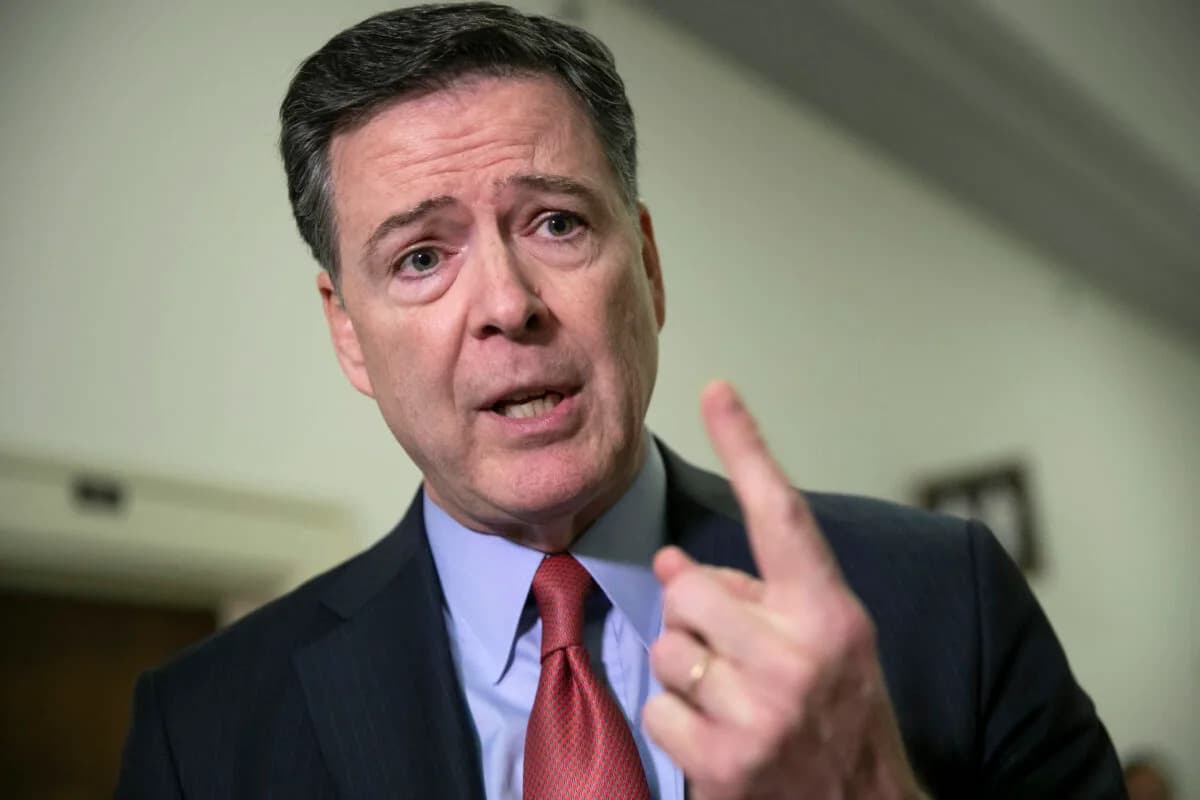
Earlier that day, Judge Cameron McGowan Currie found Halligan had been unlawfully serving in the role, concluding the Justice Department had exhausted the 120-day statutory window that governs interim U.S. attorneys before a presidential nominee must be considered by the Senate. As a result, McGowan Currie ruled that the indictments against former FBI Director James Comey and the criminal case against New York Attorney General Letitia James were invalid.
Confusion inside the office
The ruling came after another judge had sharply criticized aspects of Halligan’s presentation to the grand jury in the Comey matter, raising questions about whether that prosecution could proceed. The dismissal set off immediate turmoil in the Alexandria office, which Halligan had led in a polarizing fashion for roughly nine weeks. Career prosecutors found themselves unsure whether to list Halligan as their supervisor on court filings while Halligan awaited guidance from Justice Department headquarters.
Senior Justice Department officials reportedly debated how — and whether — to revive the Comey and James prosecutions. Some sources said Halligan had been excluded from high-level deliberations about the cases; others at DOJ disputed that claim, saying Halligan was briefed both before and after the ruling. Headquarters prepared guidance asserting that Halligan had not been removed by the court, but uncertainty persisted in the office.
How the turmoil began
The upheaval accelerated in late September, days before a five-year statute-of-limitations window closed for charging Comey over his 2020 congressional testimony. At that moment, then-U.S. Attorney Erik Siebert — who had been reluctant to advance the Comey and James matters after career prosecutors questioned their strength — was pushed out.
Shortly after Siebert’s removal, the president publicly urged the attorney general to move quickly on charges he called for against political opponents and suggested Halligan, a White House adviser with primarily civil-practice experience, should take over the Virginia office. Halligan had limited prosecutorial experience but had represented the president in some civil matters and was publicly touted as the administration’s choice to pursue those investigations.
Personnel shake-up and morale
Within two weeks of Halligan’s arrival, the district’s top national security prosecutor, Michael Ben’Ary, and others were removed with little public explanation. Several career prosecutors expressed alarm about the departures and the effects on the office’s institutional knowledge. One deputy national security chief resigned the night of Comey’s indictment, and Ben’Ary left a note warning that removing experienced officials undermines the Justice Department’s ability to counter national-security threats.
Ben’Ary’s exit occurred amid a prosecution tied to the 2021 Kabul airport bombing; the defendant’s counsel has sought to disqualify Halligan from directing that case. After Halligan later indicted New York Attorney General Letitia James on mortgage-fraud charges, additional career staff departed or were reassigned. Internal disagreements over the strength of evidence and concerns about leaks contributed to a tense workplace atmosphere.
Questions about grand jury presentations
Judges scrutinized Halligan’s handling of grand jury presentations. Two trial judges reviewed grand jury transcripts and flagged statements they said could be fundamental misstatements of law that risked compromising the grand jury process. In one opinion, Judge William Fitzpatrick identified prosecutor statements that appeared problematic, including an apparent suggestion that the prosecutor was the grand jurors’ legal adviser and comments implying future evidence might resolve unresolved issues.
At a Nov. 19 hearing, Judge Michael Nachmanoff pressed Halligan after prosecutors indicated that the full grand jury had not reviewed the operative indictment against Comey. Halligan told the court a foreperson and another juror were present when the indictment was handed up and that jurors had declined one charge while approving two others; the judge noted the record appeared to show the full grand jury had not formally approved the final document.
Similar concerns surfaced in the James matter, where prosecutors in a separate courthouse had not moved to pursue the case, and Justice Department leaders later learned of the Alexandria indictment from news reports. In the wake of the court ruling that Halligan lacked lawful authority during the relevant period, DOJ leaders are still evaluating whether and how the Comey and James matters could be refiled.
Impact and reputation
Halligan’s rapid rise and the organizational disruptions during her 63 days in charge have significantly weakened the bench of experienced prosecutors in the once-stable Alexandria office and raised concerns that tribunals may view the office’s work differently. Many prosecutors described declining trust and heightened paranoia inside the workplace as leadership and personnel decisions unfolded.
Despite statements from senior officials praising the U.S. attorneys assembled by the attorney general and deputy attorney general, the aftermath of Halligan’s tenure left lingering questions about leadership, procedure, and the integrity of cases initiated under her authority. As of late November, her name remained on court filings while Justice Department leaders worked to establish clear directives and decide what steps, if any, to take next.
Key facts: Judge Cameron McGowan Currie ruled Halligan unlawfully served after DOJ exceeded the 120-day interim period; two high-profile indictments were voided; multiple career prosecutors departed or were reassigned; judges flagged concerns about grand jury procedure; DOJ continues to evaluate how to proceed.
Help us improve.